

At some projects, buyers have been asked to hand over VND 50 million to 100 million as a booking fee for an apartment that cannot yet legally be sold. Once the amended Law on Real Estate Business takes effect, that payment becomes prohibited.
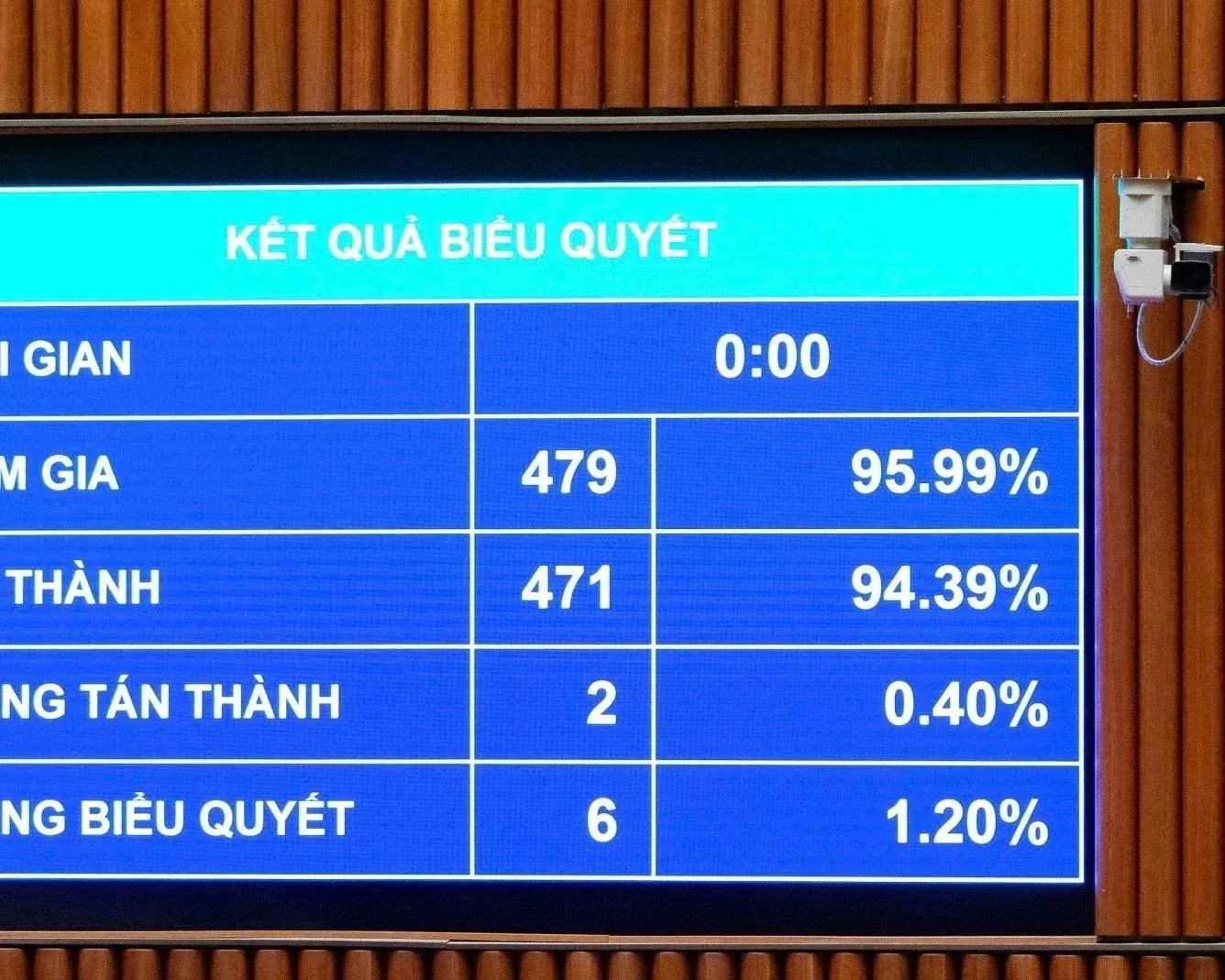
On the morning of 21 November, the National Assembly passed the law with 471 of 479 deputies voting in favor. It has 10 chapters and 63 articles, 20 fewer than the 2023 law, and takes effect on 1 July 2027.VnExpress
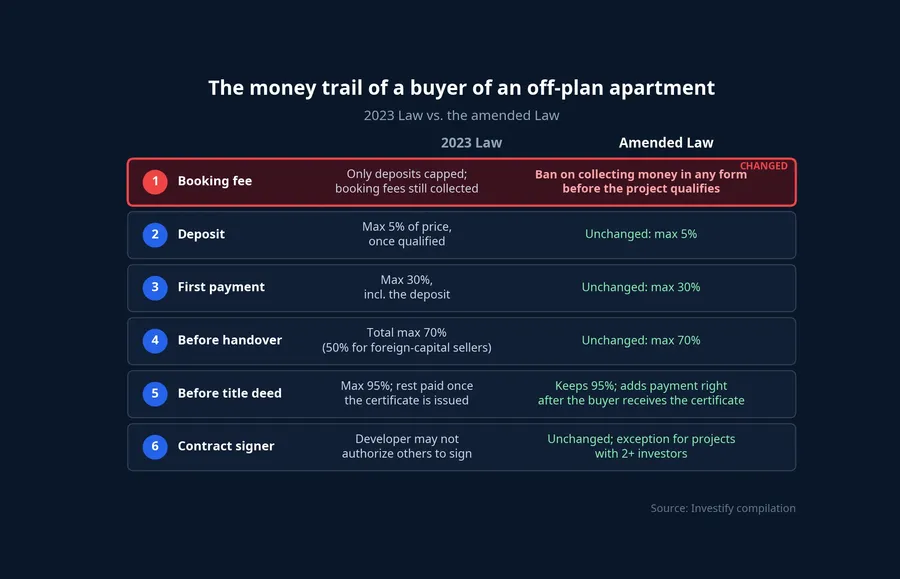
Put simply, this piece follows the money of someone buying an off-plan apartment, from the first payment to the day the title deed arrives. At each step, the new rule is set beside the 2023 Law on Real Estate Business (Law 29/2023/QH15) now in force. The result is clear: most payment caps stay as they were, and the real change sits at the earliest stage, before any contract exists.
Step 1: booking money before a project qualifies
This is where most of the change lies.
The 2023 law let developers collect a deposit of no more than 5% of the price once the home or building met the conditions for sale. But that rule was tied to the word "deposit". According to the government's report as relayed by VnExpress, projects that did not yet qualify for sale were still collecting money up front through trading floors, under labels such as booking money, goodwill fees, expression-of-interest fees or priority fees.VnExpress
The amended law closes that naming loophole. In the explanatory report presented to the National Assembly before the vote, Minister of Construction Tran Hong Minh said the government had taken deputies' feedback on board.Banking Times The added provision says developers may not collect money in any form to secure the signing of a purchase, lease-purchase or transfer contract before the property qualifies for sale. Per VnExpress, it sits in Article 10. The government says the aim is to "stop disguised capital raising at the root, including in the form of deposits and bookings".
So the difference from the old law is not a number. The 2023 law capped one named type of contract, the deposit. The new law targets the nature of the cash flow: whatever it is called, money collected to hold the right to sign a contract before the project qualifies cannot be taken.
On penalties, VTC News cited the government's explanation that Decree 339/2026 already sets fines for breaching the conditions for putting property on sale and for collecting or using customer money improperly.VTC News The government will keep reviewing and propose additional penalty rules now that the law has passed.
What counts as "qualifying" for sale
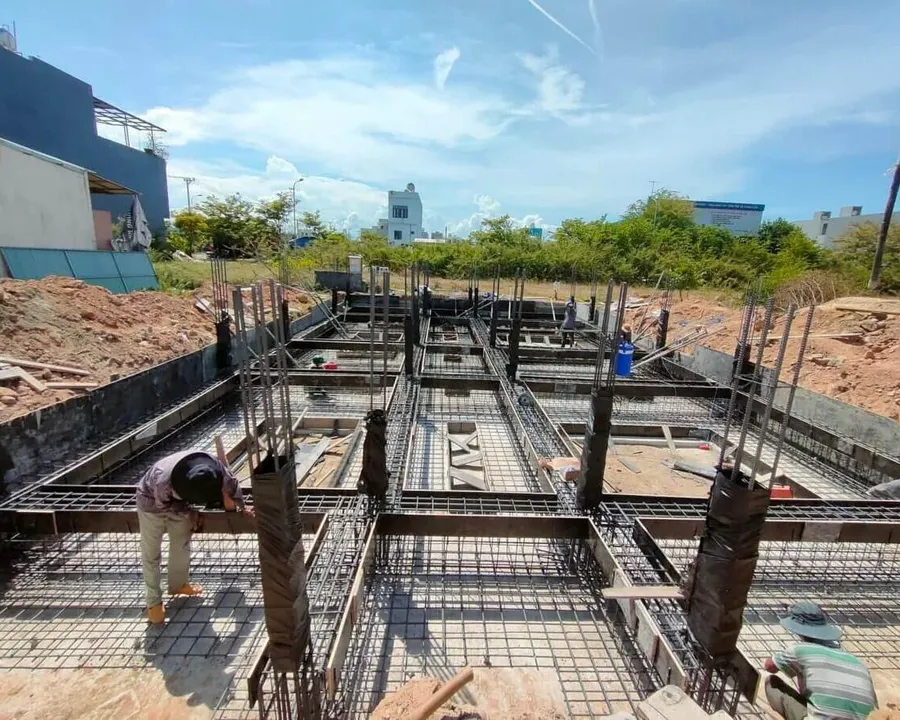
Step 1 only matters if you know what "qualifying" means. According to the law as described by Markettimes and Asean Times, a future home or building must have started construction under construction law, with land-use documents, construction documents and related paperwork in place.Markettimes, Asean Times For apartment blocks and mixed-use buildings with housing, the developer must hold documents proving the foundation has been formally accepted as complete.
Before signing a sale or lease-purchase contract, the developer must send a written notice to the provincial real estate authority under the People's Committee so conditions can be checked. The law also requires developers to publish legal information on investment, land, zoning, construction, disputes and mortgages, plus the standard contract, on the housing and real estate market information system. For a buyer, those are two places to check before sending any money: the notice filed with the provincial authority and the project information on the public system.
Step 2: the deposit
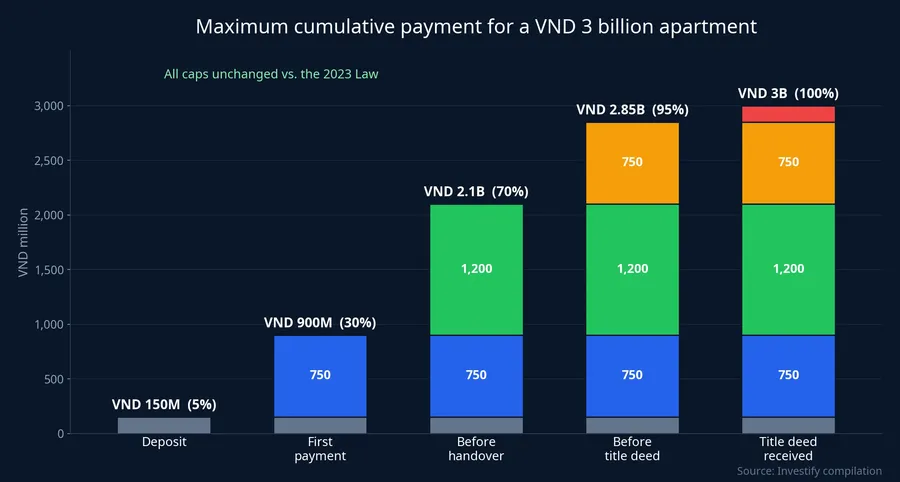
The cap is unchanged. Under the new law, a developer may collect a deposit of no more than 5% of the sale or lease-purchase price once the property qualifies for sale. The deposit agreement must state the price, and the deposit counts toward the first payment.
Compared with the 2023 law, the 5% cap and the "must qualify first" condition are already in the current law. So is the deposit counting toward the first payment: Article 25 of the 2023 law already set the first payment at no more than 30% "including the deposit". For a buyer, the 5% simply changes position on the money trail: from now on it is the earliest payment allowed, replacing the earlier booking fees.
Steps 3 and 4: the first payment and pre-handover payments
Both caps are unchanged.
The new law sets the first payment at no more than 30% of the contract value, deposit included; later payments must follow construction progress; and total collected before handover cannot exceed 70%. If the seller is a foreign-invested economic organization in the specified category, the limit is 50%.Markettimes
Article 25, clause 1 of the 2023 law has exactly these 30%, 70% and 50% limits.Article 25 On a VND 3 billion apartment, a buyer still pays at most VND 900 million at the first payment and at most VND 2.1 billion before moving in (using the 30% and 70% caps), same as today.
Step 5: the final 5% and the title deed
The 95% cap stays, and the way the remainder is paid gets clearer.
Article 25, clause 3 of the 2023 law says that before the buyer has a title certificate, the seller may not collect more than 95% of the contract value, with the rest paid once the state has issued the certificate.Article 25 The new law keeps the 95% cap and adds one case: the remainder is paid right after the buyer receives the certificate, or when the buyer chooses to handle the paperwork themselves and the developer has handed over the full file.
An earlier draft had proposed that buyers put the last 5% into a bank escrow account and earn interest. That option was dropped.VnExpress The government's reasoning was that freezing the 5% could leave a sizable sum idle in banks for years at projects slow to get title deeds issued: the developer could not use it, and the buyer could not directly control it. Instead, the government directed agencies to step up inspections and deal firmly with developers that fail their obligations or do not hand over complete files.
The deadline for filing the title-deed application is also unchanged. The new law requires the developer to file the application for the buyer within 50 days of handing over the home, unless the buyer handles it personally.Markettimes That 50-day limit is already in Article 17, clause 3 of the 2023 law.
Step 6: who signs the contract
The principle stays, with one added exception.
Article 23, clause 4, point d of the 2023 law already barred developers from authorizing other organizations or individuals to sign deposit, sale or lease-purchase contracts.Article 23 The new law keeps that rule and adds an exception for projects with two or more investors, where the government will decide which developer signs.
The role of brokerage floors is also spelled out. A floor must check the legal file and the conditions for putting property on sale, list only qualifying properties, and help the parties negotiate and sign. The new law also bars developers from writing clauses into contracts that exclude their own liability for deals made through floors, brokers or third parties.Thời báo Tài chính Alongside the booking-fee ban, floors lose a way to collect money early from customers. At the same time, developers can no longer push responsibility onto floors for deals made through them.
Who gains, who has to change
Buyers are the most clearly protected, and at the riskiest stage. Booking money is paid when the project does not yet have the paperwork to be sold. If the project never reaches launch, the buyer has to claim back money tied to no sale contract at all. From 1 July 2027, the earliest money the law allows to leave your pocket is a deposit of up to 5%, signed with the developer itself, after the project qualifies.
For developers, the 30%, 70% and 95% caps do not change, so cash flow tied to construction progress after launch stays the same. What disappears is money collected before the qualifying stage, whether through floors or directly. From the point they hold the land until the foundation is done, developers must fund themselves with their own capital or borrowings. Booking money was also a way to gauge demand before launch, so from 2027 that gauging has to use methods that do not take money. If you hold listed property stocks, you can watch how launches planned after mid-2027 are scheduled against foundation progress.
The change also has limits. The 2023 law already allowed deposits only after a project qualified, and booking fees survived under other names. The new law closes the naming gap, while real-world results will depend on inspections and penalties.
Two details will be left to the government's implementing rules. The first is how to decide which developer signs at a multi-investor project. The second is notarization: per Thanh Niên, the law says real estate contracts must be notarized in line with the digital-transformation roadmap, with the details set by the government.Thanh Niên The implementing decree will tell buyers from when their contract has to be notarized.