
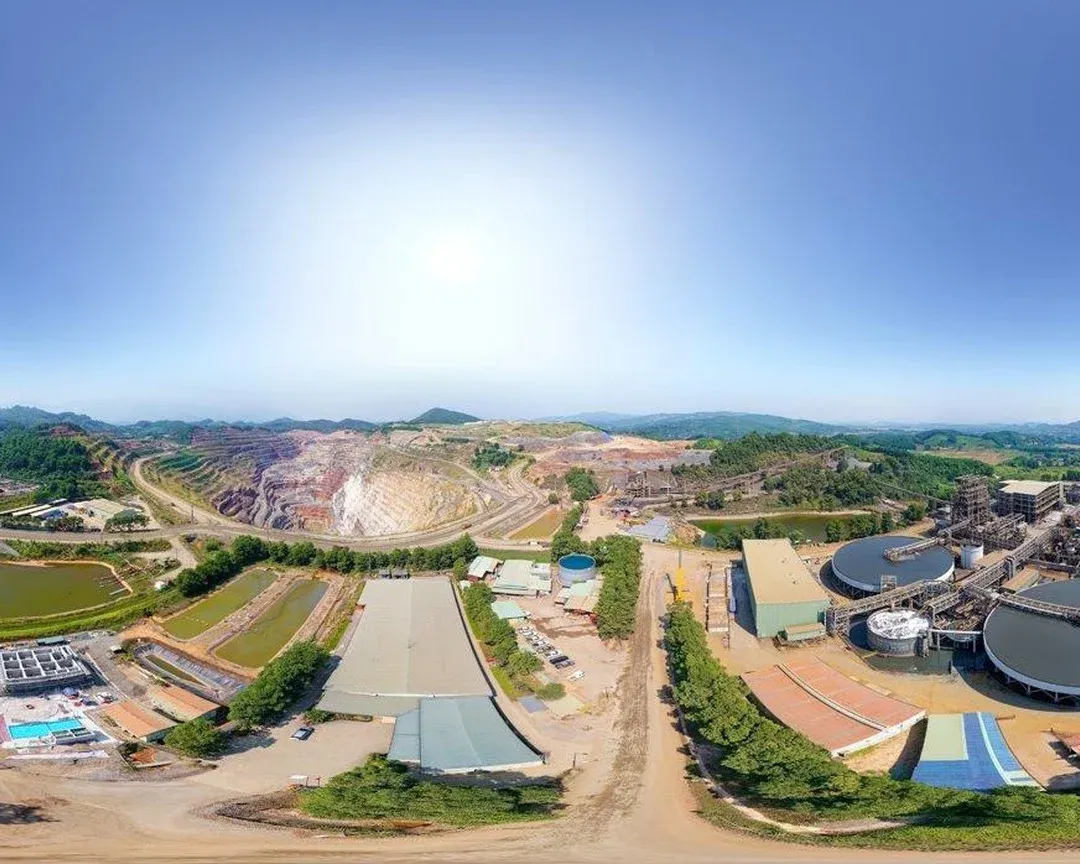

After Elmet in the US in early October, Masan has picked another new shareholder for Masan High-Tech Materials (UPCoM: MSR) using the same formula: sell equity to the party that will take MSR's products to market. This time it is Japan's Sojitz Corporation, which plans to buy 5% and distribute MSR's tungsten and fluorspar in Japan. By the numbers, the deal does not change Masan's control. What matters is its structure, and the two milestones that will show how far the plan has actually gone.
What the November 9 memorandum contains
On November 9, at the Vietnam–Japan Public-Private Forum on economic and science-technology cooperation in Tokyo, Masan Group (HoSE: MSN) and Sojitz (Tokyo: 2768) signed a memorandum of understanding.CafeF According to Masan's announcement, Sojitz will buy 5% of MSR from Masan Horizon, a wholly owned Masan subsidiary, at a price no lower than what The Elmet Group (Nasdaq: ELMT) paid when it invested in MSR. CafeF estimates the stake at roughly USD 125 million.CafeF
The second half of the memorandum is commercial. Sojitz plans to sign long-term agreements to distribute MSR's tungsten and fluorspar in Japan, targeting customers in semiconductors, AI infrastructure, aerospace, energy, automotive, cemented carbide and chemicals.
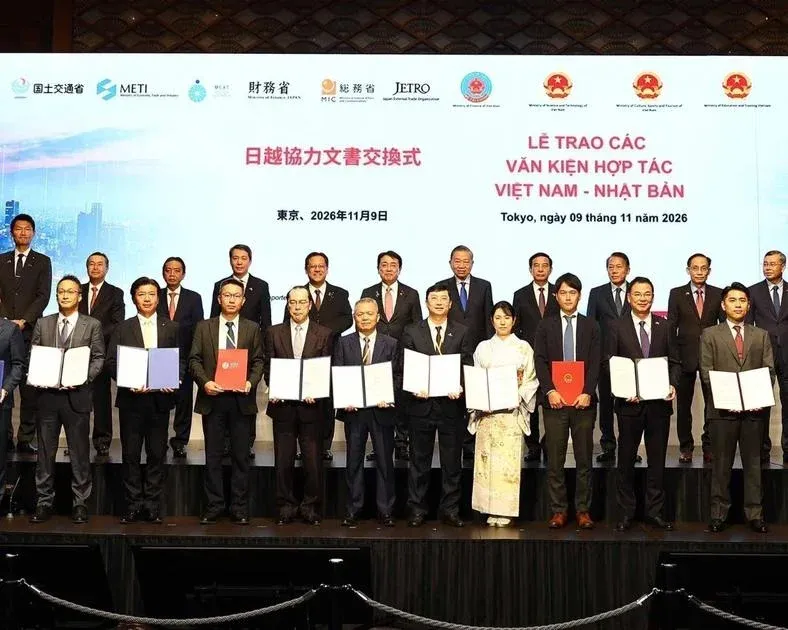
The legal status needs a careful read. What was signed on November 9 is a memorandum of understanding. The parties aim to sign a definitive agreement before the end of 2026, after due diligence and the necessary approvals. VietTimes, citing Reuters, reports that the transaction requires regulatory approval.VietTimes Until a definitive agreement exists, both the equity stake and the distribution arrangement remain planned, not final.
Sojitz is a Japanese general trading company formed by the merger of Nichimen and Nissho Iwai. Per its consolidated results for the fiscal year ended March 31, 2026, as relayed by Người Quan Sát, Sojitz reported revenue of JPY 2,757 billion, about USD 18 billion, and as of end-June 2026 had 551 subsidiaries and affiliates.Người Quan Sát For MSR, Sojitz's value lies more in that customer network than in the cash for the shares.
The pattern behind both deals: each new shareholder brings a market
Sojitz is the second step in the MSR shareholder-expansion program that Masan's board approved on September 24, 2026.CafeF The first step was Elmet, a US tungsten-alloy maker and an MSR customer for more than 12 years. Elmet completed its purchase of 4.99% of MSR on October 1, 2026.VietTimes
The Elmet deal came with long-term supply agreements: a committed volume of about 1,250 tonnes of WO₃ equivalent a year, implying estimated gross revenue of USD 1.5 billion over the initial cooperation period.CafeF The USD 1.5 billion figure is an estimate at the tungsten price used in the calculation, not guaranteed revenue.
The two partners sit at different points in the chain. Elmet is a buyer already familiar with MSR's product. Sojitz is a distributor, expected by VietTimes' account to widen the outlet for MSR's products in Japan.VietTimes What they share is a stake in MSR's goods actually selling: one because it needs the supply, the other because it earns from distribution.
Masan is explicit about its selection criteria. In the announcement carried by CafeF, the program aims to strengthen long-term ties with customers and industries that have already recognized MSR's product quality, and to attract long-term institutional investors before MSR lists on HoSE.CafeF Masan says Sojitz reached an agreement in principle only after Sojitz's Japanese customers assessed and accepted MSR's ability to supply.Người Quan Sát
That detail matters in the tungsten industry. Some MSR products are used to make tungsten hexafluoride (WF₆), a material for logic and memory chip fabrication. According to Người Quan Sát, a producer seeking to enter the supply chain of those industries must go through a quality qualification process that usually takes several years.Người Quan Sát Sojitz's customers finished their assessment before signing, so distribution does not start from zero.
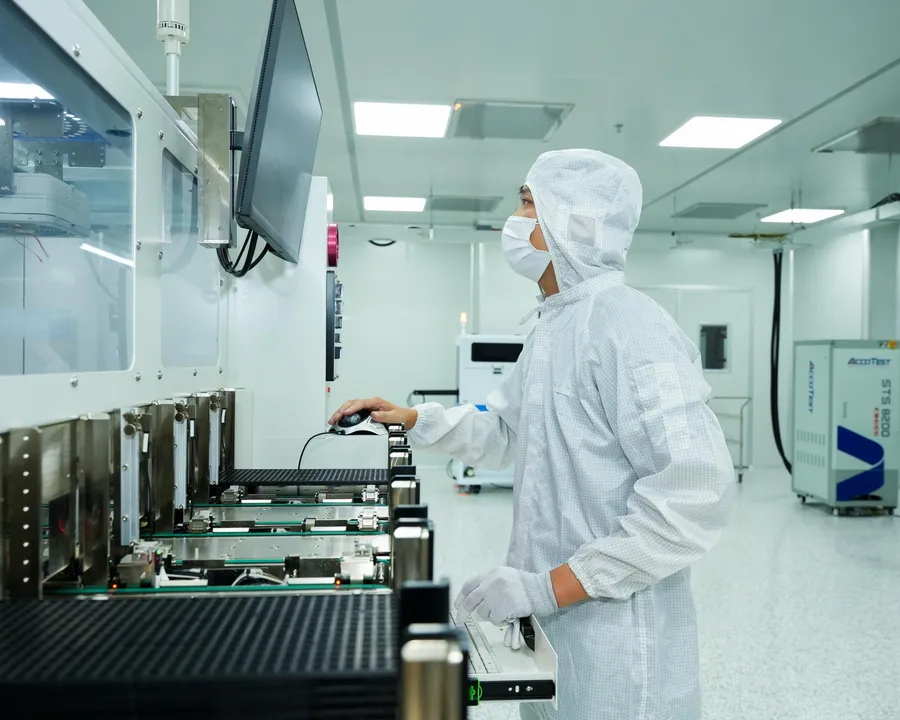
The announcement says this pairing helps MSR improve the predictability of its long-term revenue.Tinnhanhchungkhoan The logic holds up: a miner selling at world prices usually sees revenue swing with the price cycle, and long-term volume commitments make the volume side steadier. Still, a volume commitment does not lock in price. MSR's revenue remains tied to the tungsten price, just as Elmet's USD 1.5 billion is an estimate at the price used in the calculation.
A price floor set by Elmet, control stays with Masan
The "no lower than Elmet" clause sets a floor for the seller. According to CafeF, Elmet paid about USD 125 million, equal to more than VND 3,200 billion, for more than 55.14 million shares, through a negotiated trade on UPCoM.CafeF Dividing one figure by the other puts Elmet's average price at around VND 58,000 per share. That is below MSR's November 9 close of VND 62,000, which is about 7% higher.VietTimes So the Elmet-based floor is the lowest price Masan will accept, not the price the Sojitz deal will necessarily settle at.
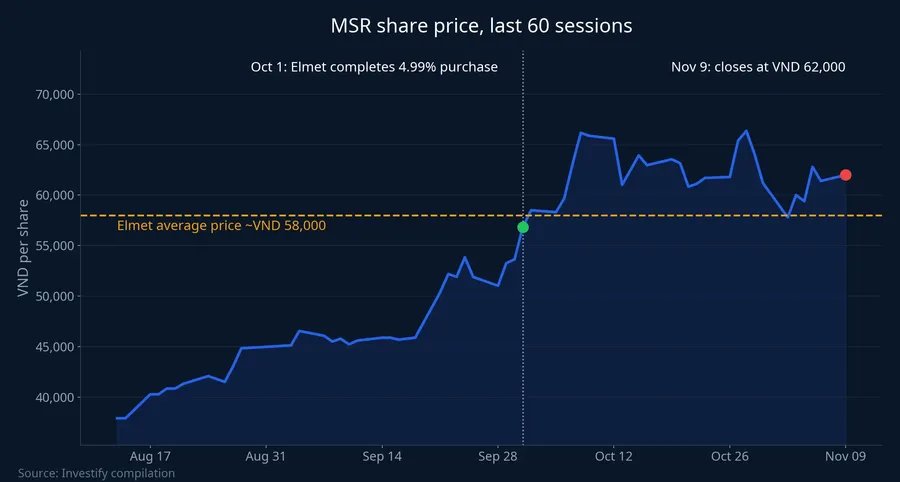
CafeF's estimate of USD 125 million for 5% also suggests the two deals are being struck around the same equity valuation. Masan's second tranche is not cheaper than the first, and before MSR files for HoSE, two internationally recognized transactions have already set a reference point for the company's value.
There are three ways to read why Masan is doing this, and they do not exclude one another. The first is the commercial reason Masan gives: shareholders tied to demand. The second is listing preparation: the announcement states that the program runs before MSR moves to HoSE and targets long-term holders. The third is cash on Masan's side: this is a transfer of existing shares from Masan Horizon, so the proceeds go to the seller, not into MSR. The announcement states the first two reasons directly; the third follows from the structure of the deal.
A transfer structure also means MSR issues no new shares, so small shareholders are not diluted. What changes is Masan's percentage. After the Elmet deal, Masan holds about 87.46% of MSR, per Tinnhanhchungkhoan.Tinnhanhchungkhoan Masan states it will remain the controlling shareholder of MSR after the Sojitz transaction.CafeF
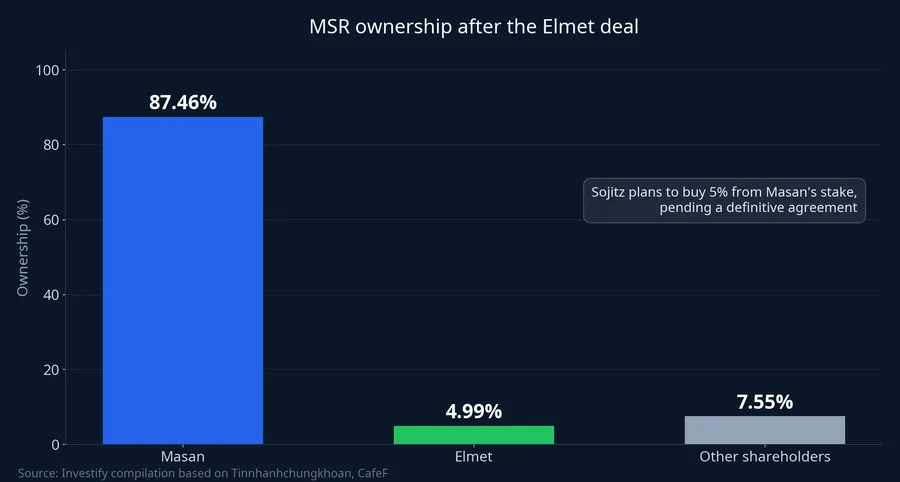
What MSR shareholders will encounter
The deal comes while MSR's results are at a high. In the first nine months of 2026, per figures Masan published, MSR recorded net revenue of VND 25,687 billion and profit after tax before minority interests of VND 4,350 billion.CafeF That profit equals about 170% of the top end of the full-year 2026 profit plan. VietTimes reports that in the same period of 2025, MSR was still losing VND 211 billion.VietTimes
Dividends are what shareholders feel directly. MSR paid an interim VND 1,000 per share in September 2026, and shareholders approved a second payment of VND 5,000 per share on October 19, 2026.Tinnhanhchungkhoan Total 2026 cash dividends come to VND 6,000 per share, about VND 6,600 billion.CafeF With a stake of about 87.46%, most of that cash flows to Masan.
From fiscal 2027, MSR plans to pay annual cash dividends of at least 50% of consolidated profit after tax. The policy needs approval at the 2027 annual general meeting, so until then it remains a proposal. "At least 50%" is a floor commitment. The actual amount still follows profit, and MSR's profit follows the tungsten price.
The biggest milestone is the exchange move. MSR aims to file for HoSE listing in 2027. On UPCoM, MSR shares have already risen 2.65 times since the start of 2026, according to VietTimes.VietTimes Much of the earnings strength described above was therefore already in the price before the Sojitz memorandum was signed.
Two milestones will show how far the plan has gone
The November 9 memorandum shows how Masan picks shareholders for MSR: sell to a party with a stake in moving tungsten, at a price no lower than last time, while keeping control. The mechanism gives MSR a long-term sales channel in Japan alongside Elmet in the US. But it has only reached the memorandum stage.
The first milestone is the definitive agreement the parties aim to sign before the end of 2026. It will show the final transfer price against the floor of about VND 58,000, and how much volume Sojitz commits to distribute. If the distribution agreement carries specific volumes as Elmet's does, the argument about revenue predictability will have numbers to test. If it stops at the equity stake, Sojitz is simply a new institutional shareholder.
The second milestone is the HoSE listing file in 2027, together with the minimum-50% dividend policy put to shareholders that year. Those two documents will show whether the shareholder-expansion program is meeting the goals Masan set for it.