
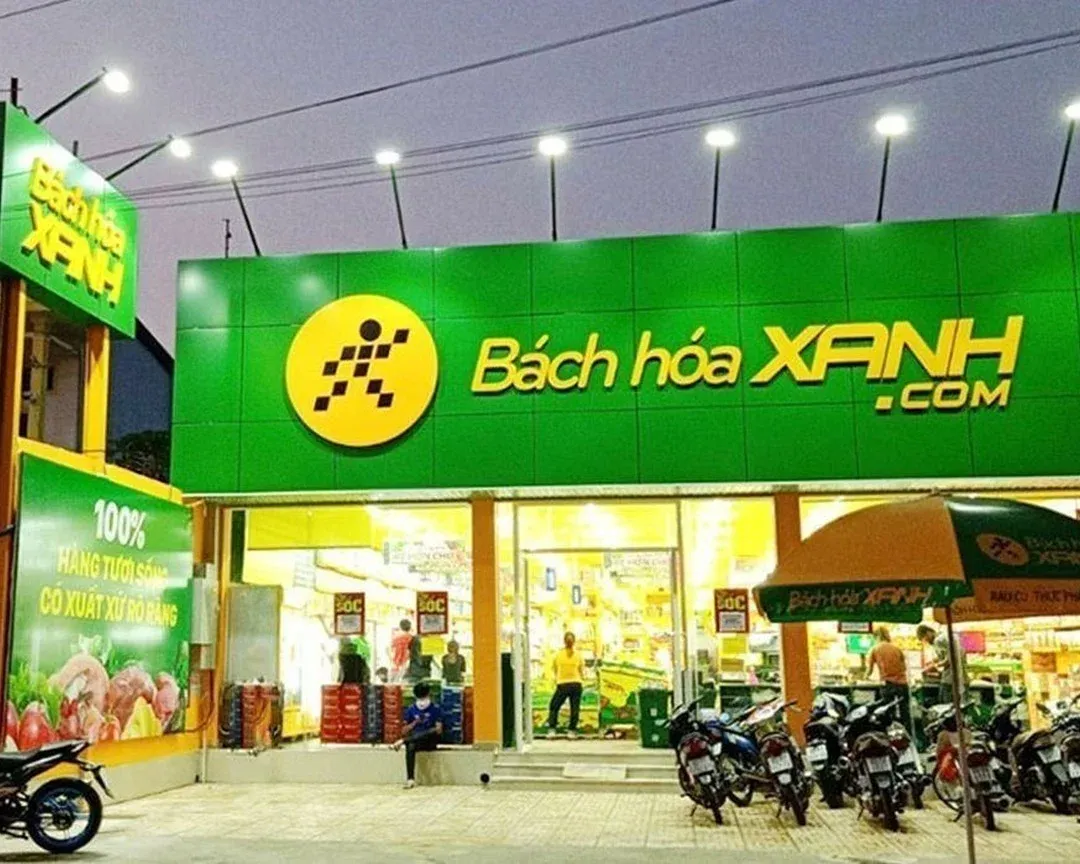

If Bách Hóa Xanh cannot repay its bank loan, the lender will come after Mobile World (MWG). MWG's board has just approved a guarantee for Bách Hóa Xanh Trading JSC with a maximum limit of VND 2,000 billion, on an unconditional and irrevocable basis, valid through December 31, 2027.Báo Đầu tư Chứng khoán
Put simply, no cash has left MWG's vault. What has changed is who bears the loss if the grocery chain's borrowing goes wrong. This post walks through the resolution, how a guarantee works, and what MWG shareholders should watch for.
What the resolution says, and what it leaves out
MWG disclosed the guarantee on October 22. The cap is VND 2,000 billion, the term runs to December 31, 2027, and it is tied to a credit agreement between Bách Hóa Xanh and a bank. The board authorized Mr. Vũ Đăng Linh, General Manager of Mobile World Investment Corporation (MWG), to sign the financial support commitment and related documents on the company's behalf.Người Quan Sát
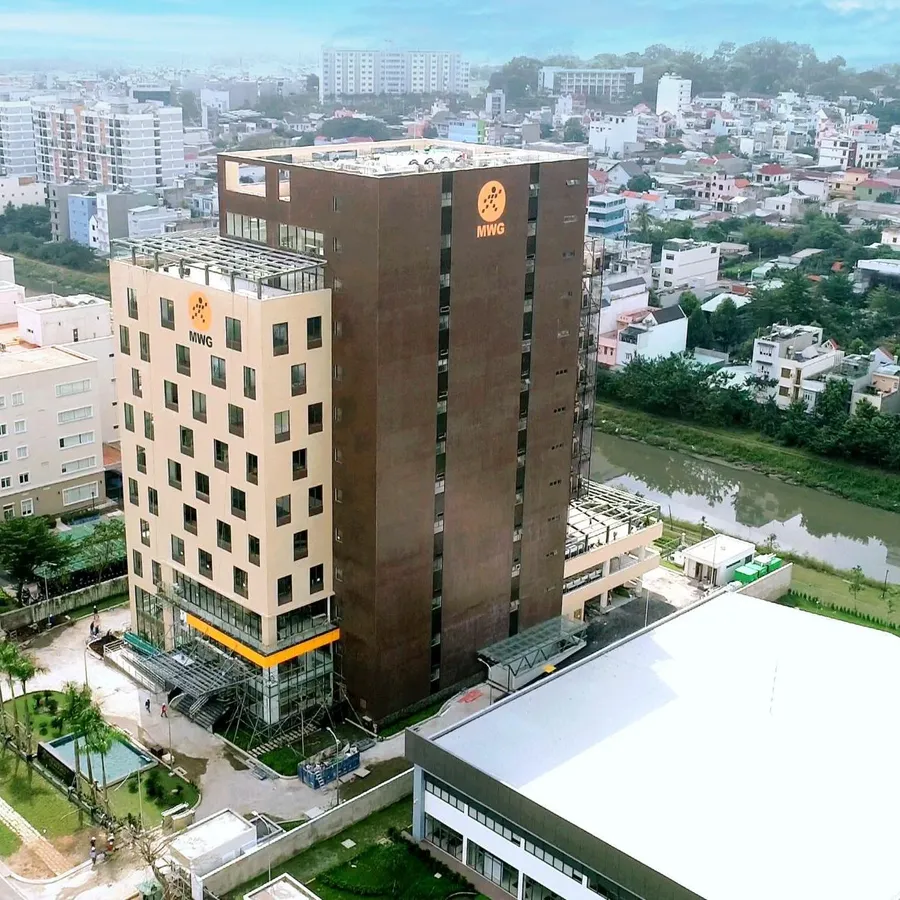
None of the press coverage names the bank. There is also no public information on how much Bách Hóa Xanh has borrowed or will borrow, the interest rate, the guarantee fee, or whether the guarantee covers interest as well as principal. So the VND 2,000 billion figure should be read for what it is: a ceiling on what MWG might have to pay in someone else's place. It is not money MWG has lent or injected into its subsidiary.
How a guarantee differs from a loan or capital injection
When a parent injects capital or lends to a subsidiary, cash leaves its account at the moment of the transaction. A guarantee works differently. Under Article 335 of Vietnam's 2015 Civil Code, the guarantor commits to the creditor, here the bank, that it will perform the obligation in place of the guaranteed party if that party fails to perform when due. MWG has therefore paid nothing yet. Money moves only if Bách Hóa Xanh cannot pay on its own.
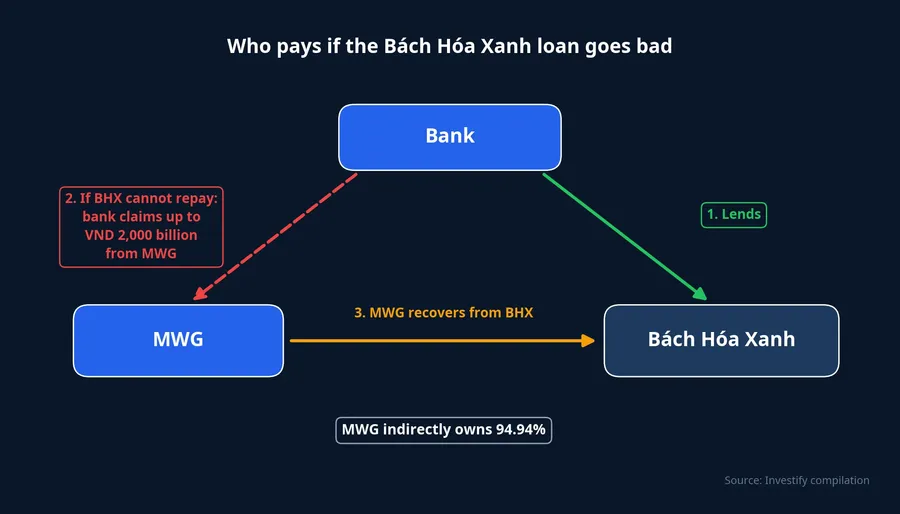
Two words in the resolution make the commitment tighter. "Irrevocable" means MWG cannot unilaterally withdraw the assurance before it expires, even if MWG's own situation changes. "Unconditional" is usually understood to mean the bank does not have to prove that Bách Hóa Xanh is insolvent before claiming against MWG. The Civil Code lets parties agree the opposite, so that a guarantor pays only when the borrower is unable to. An unconditional guarantee removes that cushion. The full text of the commitment has not been published, however, so the exact conditions for the bank to call the guarantee remain unclear.
If MWG does have to pay, it can claim reimbursement from Bách Hóa Xanh under Article 340 of the same code. But that right is only worth something if the subsidiary has cash to repay, and that is precisely the situation in which the guarantee would be called.
Where this sits in the financial statements
Bách Hóa Xanh is a subsidiary, so its results and borrowings are already consolidated into MWG's financials. The guarantee therefore does not add to consolidated debt. It is a contingent liability, typically disclosed in the notes rather than on the balance sheet, as long as MWG has not had to pay.
What really changes is the boundary between legal entities. Normally, shareholders are liable only up to the capital they have contributed. With the guarantee, MWG opens that boundary up to VND 2,000 billion: Bách Hóa Xanh's creditors gain a direct claim on the parent.
One more detail on ownership. As of June 30, 2026, MWG indirectly owned 94.94% of Bách Hóa Xanh Trading JSC.Báo Đầu tư Chứng khoán The available sources do not mention any other Bách Hóa Xanh shareholder joining the guarantee. If that is the case, MWG takes roughly 95% of the subsidiary's upside while shouldering the guarantee obligation alone.
Where Bách Hóa Xanh stands
The chain is growing fast. In the first nine months of 2026, Bách Hóa Xanh posted revenue of VND 45,900 billion, up almost 34% year on year. By the end of September it had 3,904 stores, 292 more than at the end of August. The same source says stores opened in 2026 have turned positive store-level operating profit after depreciation and logistics costs.Người Quan Sát
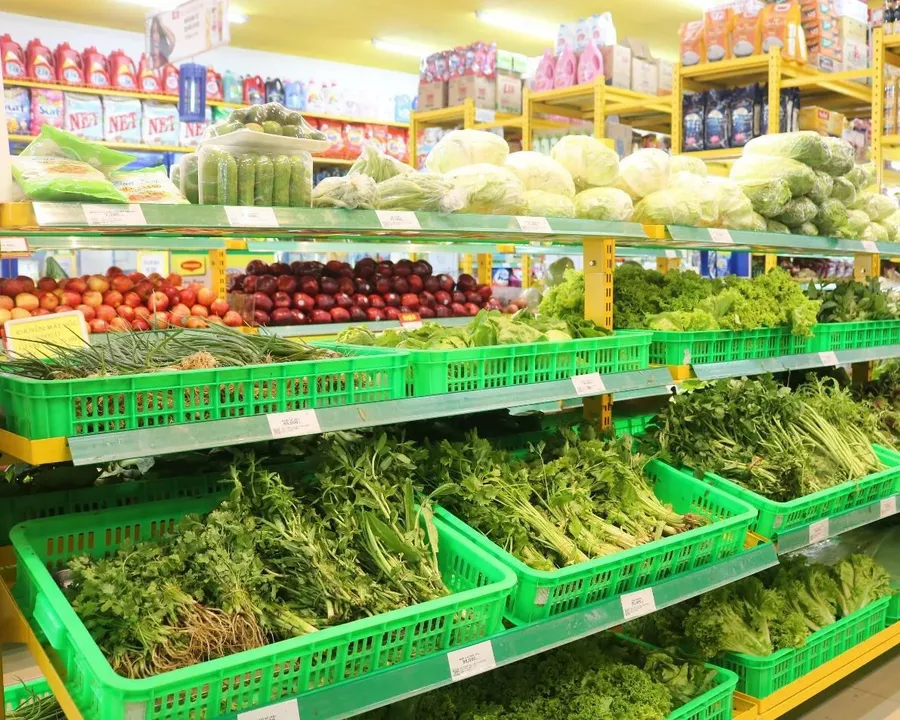
Opening almost 300 stores in a month takes plenty of capital for leases, equipment and inventory. Người Quan Sát places the guarantee in the context of a chain that needs resources to expand, while Báo Pháp Luật argues that the parent's guarantee will help the chain access credit on better terms.Báo Pháp Luật Those are the two outlets' readings, not the content of the resolution.
The other side is the past. As of June 30, 2026, Bách Hóa Xanh Trading JSC still carried accumulated losses of VND 4,972.9 billion, according to its half-year report.Báo Đầu tư Chứng khoán Losses piled up during the earlier expansion phase have not been fully absorbed, which thins out equity, and banks look at equity when deciding how much to lend. The sources do not say whether the bank asked for the guarantee. It could be a lender's requirement, or a way for Bách Hóa Xanh to borrow at a lower rate on MWG's credit standing. The data available does not let us pick between the two.
How big is VND 2,000 billion for MWG
Set against the parent's results, the cap is not small. In the first half of 2026, MWG reported consolidated revenue of VND 95,213.2 billion, up 29.1%, and net profit of VND 6,112.5 billion, up 90.7% year on year. The VND 2,000 billion cap equals roughly 33% of that six-month net profit. In Q2 alone MWG earned VND 3,354.9 billion after tax, so the cap is roughly 60% of the most recent quarter's profit.Báo Đầu tư Chứng khoán
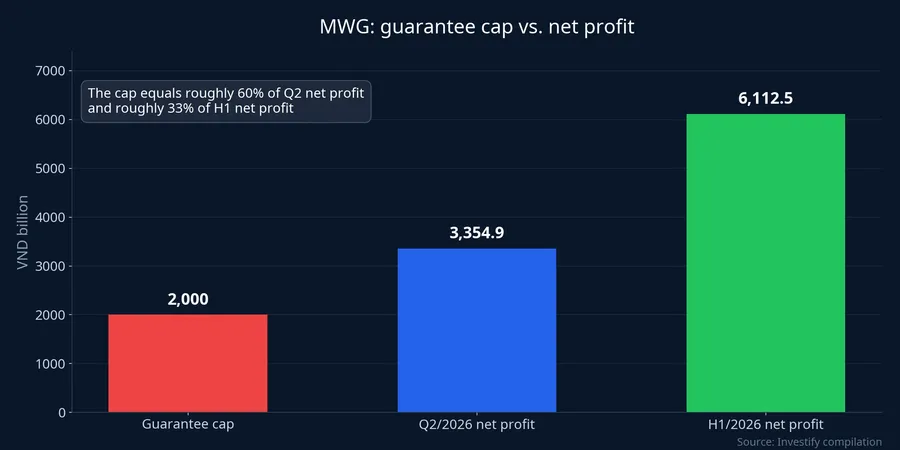
These ratios show how heavy the commitment would be if called in full. They say nothing about how likely a call is. With revenue up almost 34% and new stores already profitable at store level, MWG paying the entire amount is not the base case. That does not change the nature of the commitment: through the end of 2027, part of Bách Hóa Xanh's financial health is tied directly to the parent's balance sheet.
The 2027 deadline and the listing plan
The guarantee expires on December 31, 2027. At the annual general meeting on April 18, 2026, management outlined a plan to IPO Bách Hóa Xanh in 2028, focused on raising profit to absorb accumulated losses.MarketTimes That is a target stated in April, not a formal offering plan with a price, stake size or listing venue.
The two dates sit close together, but no source links them, so this post simply places them side by side. Still, investors would view a chain that borrows on its own strength differently from one that borrows on its parent's signature.
How MWG shareholders should read this
The thesis here: Bách Hóa Xanh is using MWG's credit standing to back its borrowing during a phase of aggressive expansion and ahead of its IPO plan. For MWG shareholders, this is not an expense, and not a sign that the chain is struggling to repay. It is a contingent liability of up to VND 2,000 billion that MWG cannot withdraw and that stays on the parent through the end of 2027.
How much of the cap is actually used is a question the resolution does not answer. The notes on guarantees and subsidiary borrowings in MWG's coming financial statements, especially the audited 2026 annual report, will show Bách Hóa Xanh's actual outstanding balance under this agreement. If the balance is low relative to the cap and accumulated losses keep shrinking, the guarantee is mainly a tool that helps the chain borrow cheaper and faster. If the balance approaches VND 2,000 billion while accumulated losses do not fall, Bách Hóa Xanh's dependence on its parent is rising, and MWG shareholders are carrying more of that risk.