
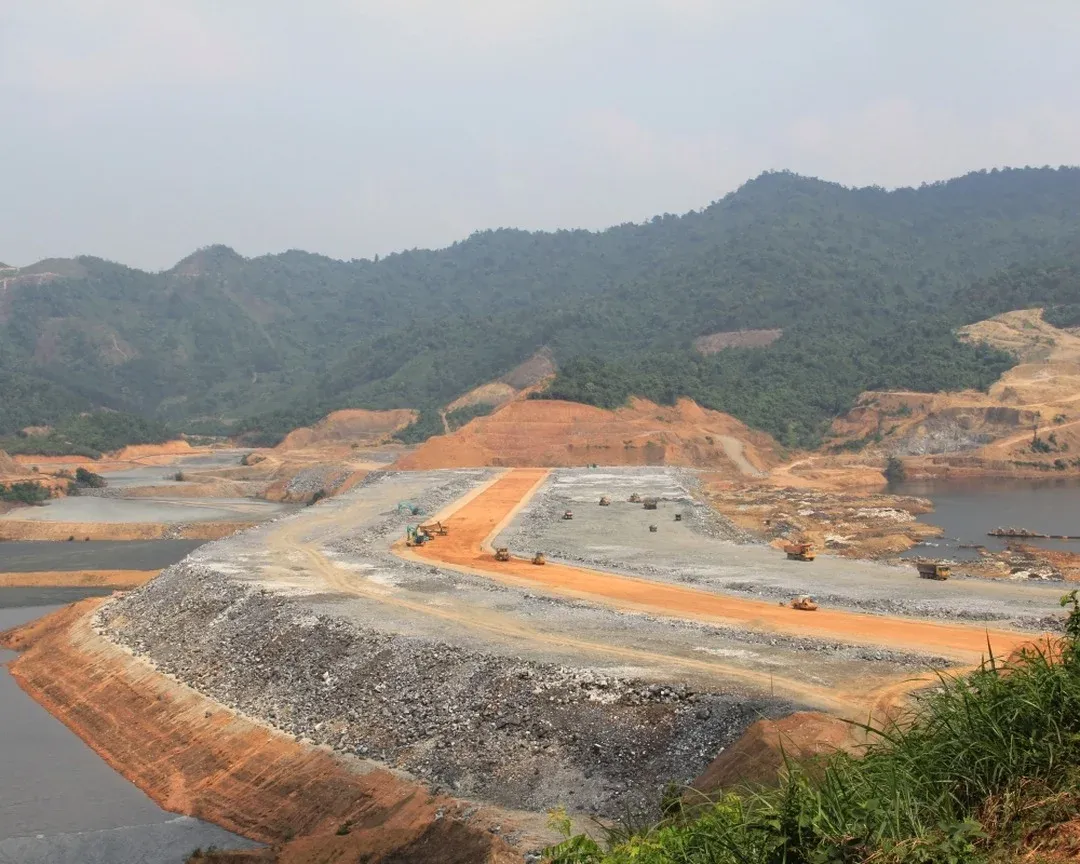

People who buy MSN shares tend to think of WinMart, Omachi noodles, Chin-su fish sauce or Phuc Long coffee. The third-quarter 2026 results Masan released on the morning of October 22 show that the group's added profit is now tied to something else: the world price of tungsten.
At the consolidated level, Q3 net revenue came to VND 36,981 billion, up 74.7% year on year. Profit after tax before minority interests reached VND 4,552 billion, 2.4 times the year-earlier figure. The portion attributable to the parent's shareholders was VND 3,671 billion, 3 times higher.CafeF This post works down from the consolidated figure to each segment to answer one question: if profit is 2.4 times higher, where did the increase come from, and how much of it is likely to stay?
Where the roughly VND 2,650 billion of added profit came from
The results release does not state Q3 2025 profit in absolute terms. Dividing VND 4,552 billion by 2.4 puts last year's figure at about VND 1,900 billion, so this year's Q3 profit is roughly VND 2,650 billion higher. That is a figure derived from Masan's disclosures, not one taken directly from the report.
Masan splits its operations into two large blocks. The high-tech materials block is Masan High-Tech Materials (MSR), which runs the Nui Phao tungsten mine in Thai Nguyen. MSR's Q3 profit was VND 2,148 billion, against VND 5 billion in Q3 2025, an increase of about VND 2,143 billion. The other block is the Consumer operating system (cOS), which includes WinCommerce, Masan Consumer, Masan MEATLife, Phuc Long and the earnings contribution from Techcombank. It earned VND 3,640 billion, up 18.1%.CafeF Working back from that 18.1%, the block's profit a year earlier was about VND 3,080 billion, so its increase was only around VND 560 billion.
Put the two side by side: MSR added about VND 2,143 billion, the consumer block about VND 560 billion. The tungsten mine alone accounts for roughly four-fifths of the group's increase.
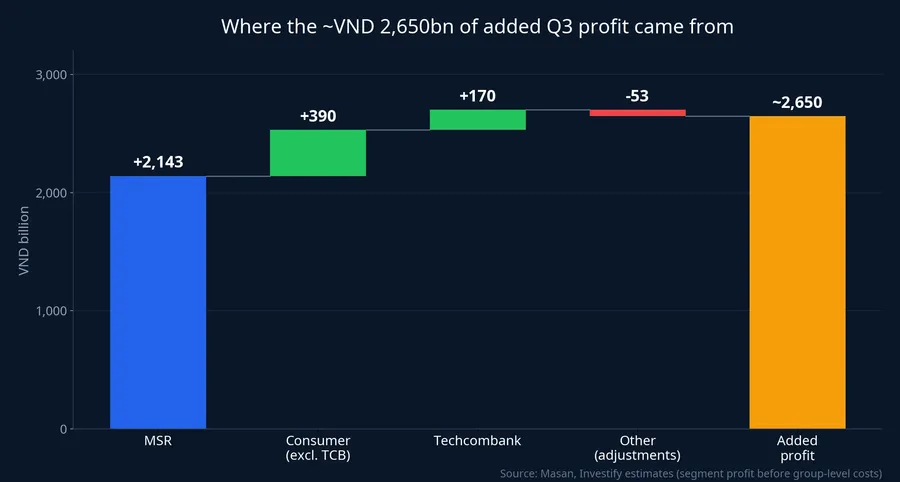
One caveat on reading the chart above. Segment profit is each block's profit before minority interests and before group-level items, including parent-company costs. Adding the two blocks gives about VND 5,790 billion, roughly VND 1,240 billion above the consolidated VND 4,552 billion. The comparison therefore shows relative weight, not an exact sum.
MSR: from VND 5 billion to VND 2,148 billion, with three drivers of unequal weight
Masan attributes MSR's result to favorable mineral prices, higher output and optimized operations. These three did not contribute equally.
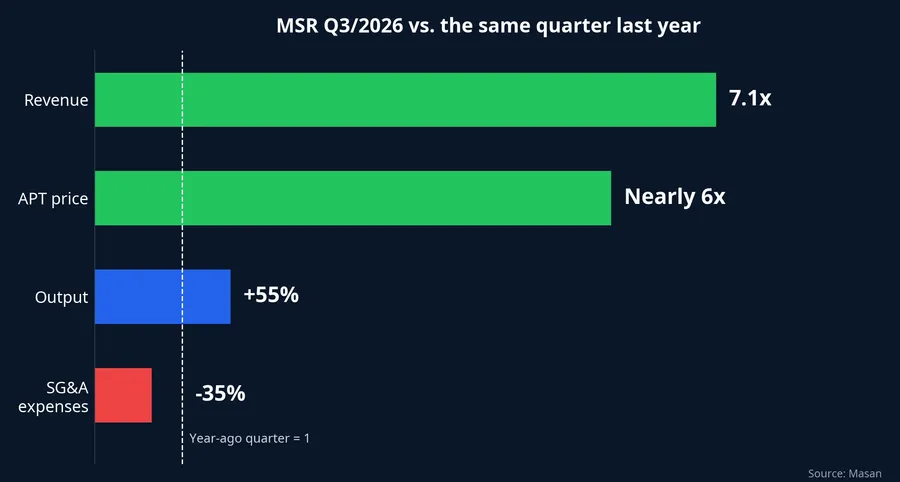
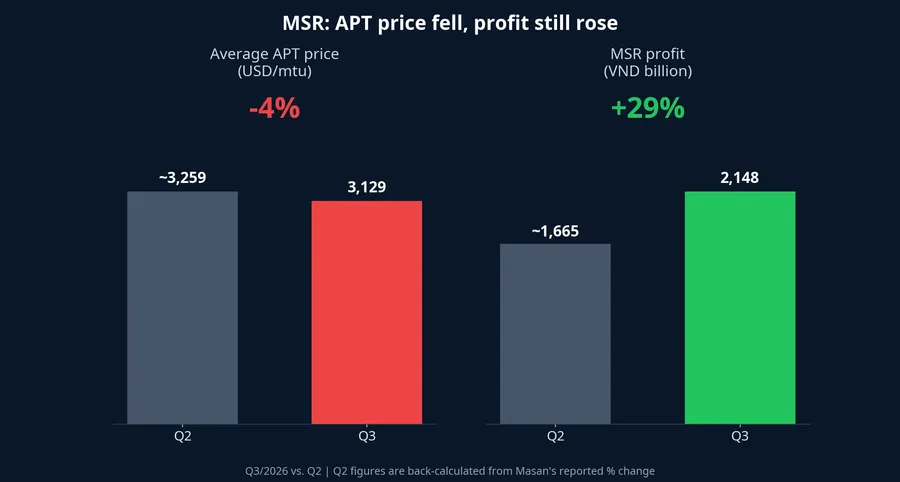
The first is the APT price. APT (ammonium paratungstate) is the intermediate form of tungsten the market uses as its reference price, quoted in USD per mtu (a unit equal to 10 kg of WO3). The average APT price in Q3 was USD 3,129 per mtu, nearly 6 times a year earlier. Masan does not control this factor, because the price is set in the global tungsten market.CafeF
The second is output. Tungsten content in finished products reached 1,786 tonnes, up 55%, and most of that rise came from MSR buying more concentrate from outside suppliers: external purchases grew 78%. In other words, MSR is taking advantage of high prices to process more than its own mine can supply.CafeF
The third is cost. MSR's selling and general administrative expenses fell 35% year on year.CafeF
Which factor weighs most? MSR's revenue was VND 14,557 billion, 7.1 times a year earlier, while output rose only 55%.CafeF Most of the gap between those two growth rates is price. Output and costs contributed, but if the APT price had stayed at last year's level, it is hard to see MSR going from a few billion dong to more than two trillion on extra sales and cost cuts alone. That is our reading of the numbers; Masan does not disclose how much each factor contributed.
The more telling detail is the comparison with Q2. The average APT price in Q3 fell by about 4%, yet MSR's profit still rose 29% from the previous quarter.CafeF In this quarter, output and costs more than offset the lower price. The question for coming quarters is how long that offset can last if prices keep slipping, since outside concentrate purchases are also paid at market prices.
The consumer block: steady growth of about 18%
In the part of the business consumers see every day, the story is steady growth with no sharp spike.
WinCommerce, which operates the WinMart and WinMart+ chains, posted revenue of VND 12,775 billion, up 21.2%, and profit of VND 325 billion, up 86%. Net margin rose to 2.5%, from 1.2% in Q2. The chain added a net 345 stores in the quarter, bringing the total to 5,486. Same-store revenue grew 7%, which means growth is not coming only from opening more outlets.CafeF Even with the 86% rise, WinCommerce's added profit is only about VND 150 billion, because retail profit remains small relative to revenue.
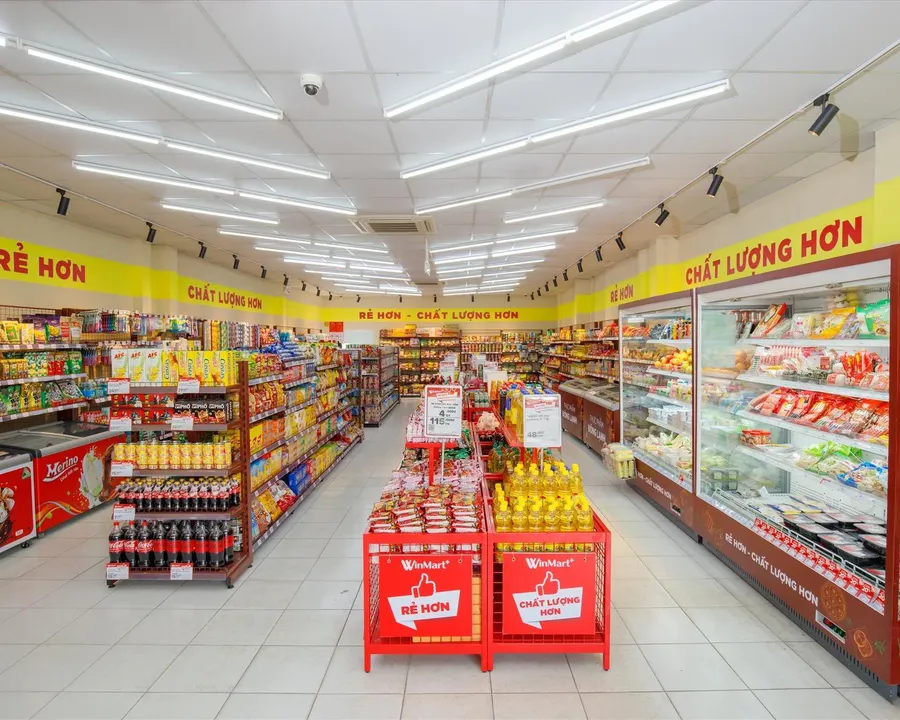
Masan Consumer (MCH), owner of the Chin-su, Nam Ngu and Omachi brands, reported revenue of VND 8,743 billion, up 16.3%, its fastest pace in three years. Profit after tax rose 14.1%, slightly slower than revenue, because transport costs climbed to 4% of revenue from 3.3% a year earlier. Masan MEATLife had revenue of VND 2,646 billion, up 11%, and profit of VND 98 billion, while its net margin slipped to 3.7% on higher marketing spend. Phuc Long reported revenue of VND 589 billion, up 14.2%.CafeF
Techcombank contributed VND 1,410 billion in profit from an associate, up 13.5%.CafeF That works out to roughly VND 170 billion of added contribution versus a year earlier, part of the consumer block's roughly VND 560 billion increase.
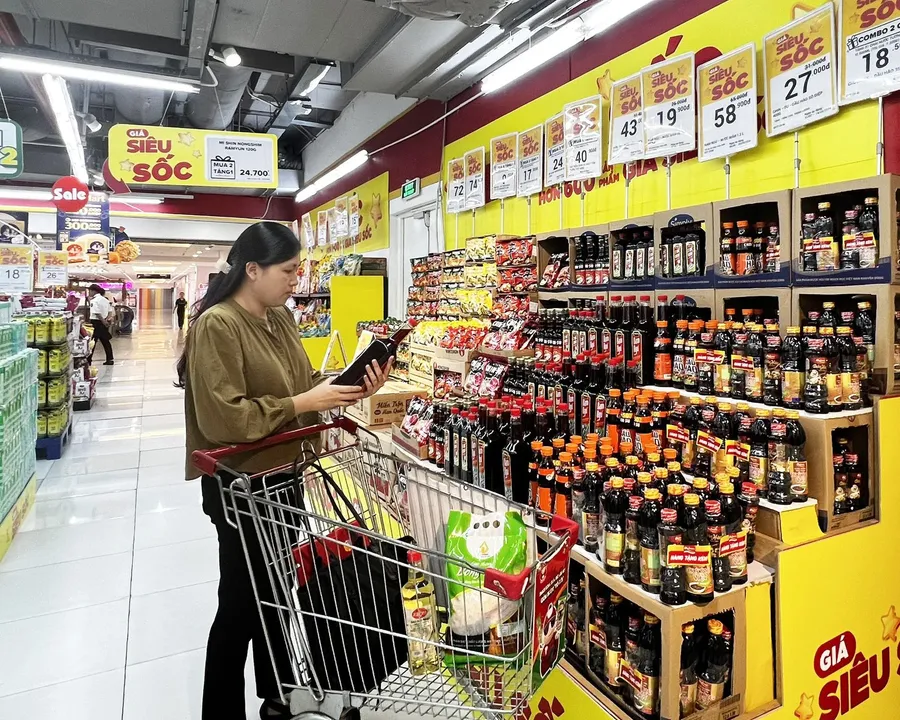
Taken together, the consumer block grew about 18% in both revenue and profit. That is a good pace for a large consumer-goods group, but it explains only a small part of the 2.4-fold jump in profit.
Beating the base-case plan: what it says and what it does not
Over nine months, Masan earned VND 10,325 billion, 3.3% above its adjusted 2026 base-case plan of VND 10,000 billion and about 1.5 times its full-year 2025 profit. The portion attributable to parent shareholders was VND 8,042 billion, 3.1 times the same period a year earlier.CafeF
The VND 10,000 billion figure is a plan that has already been adjusted during the year. Exceeding it after nine months indicates that 2026 profit will finish above the base case unless the fourth quarter brings a major shock. It does not show that this level of profit can repeat in 2027, because most of the excess comes from a segment whose earnings follow a commodity price.
Another positive signal is a lighter balance sheet. Net debt to EBITDA fell from 2.4 times at the end of Q2 to 2 times at the end of Q3.CafeF
Masan's profit now runs on two beats
The first beat is the consumer block, growing steadily at about 18% thanks to WinMart opening stores and lifting margins, and to Chin-su selling more. It depends on domestic purchasing power and on Masan's operating execution.
The second beat is MSR, where the sharp increase arose and which follows the global APT price. For an MSN holder, this changes how a report should be read. It used to be mainly about whether WinMart was profitable and how much Chin-su grew. Now each quarter's result depends materially on one variable Masan does not control.
The thesis of this post is that the steady part of the profit belongs to consumer businesses, while the sharp part follows the tungsten price. The Q3 APT price was already about 4% below Q2, and MSR offset that with output and costs. When Masan reports Q4, two numbers are worth setting side by side: the average APT price against USD 3,129 per mtu, and MSR's profit against VND 2,148 billion. If the APT price falls again while MSR's profit holds near the Q3 level, output and costs are doing their part. If MSR's profit falls with the price, the exceptional profit of 2026 will be hard to repeat, and the consumer block, growing around 18%, will be the more durable base of the group's earnings.