
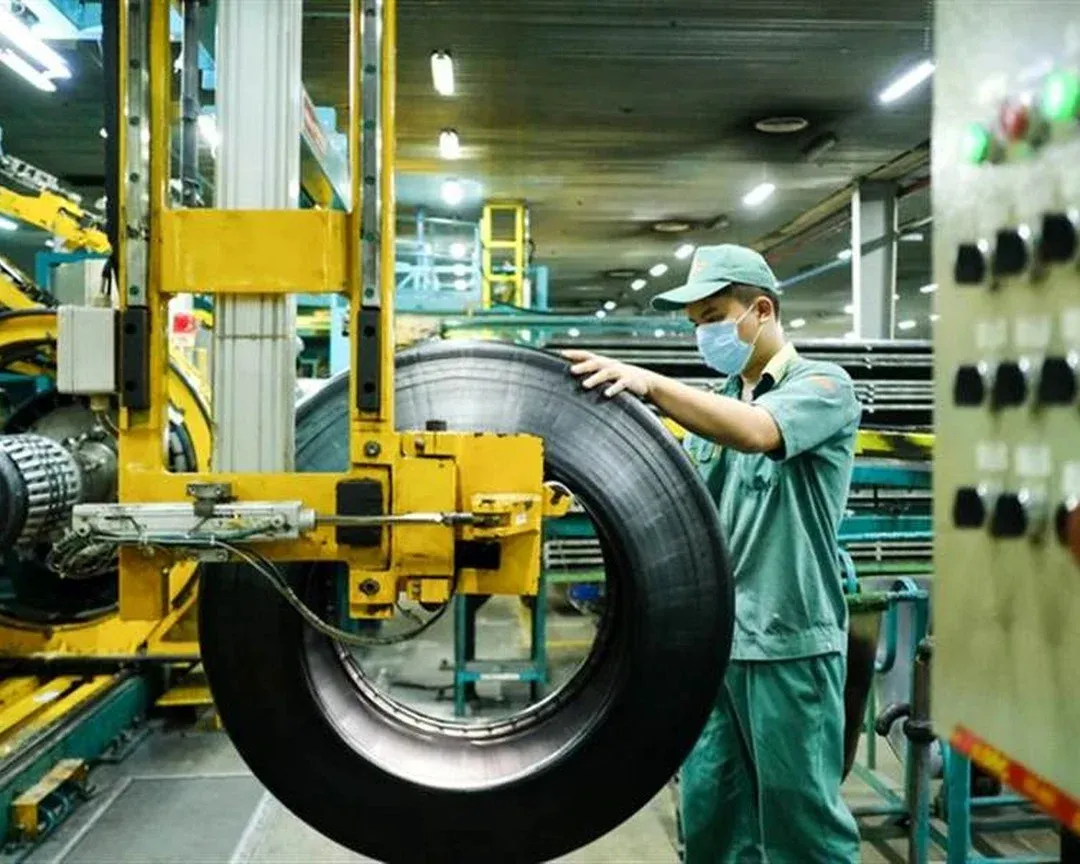

On October 16, 2026, Da Nang Rubber JSC (HoSE: DRC) issued an extraordinary disclosure: CEO Le Hoang Khanh Nhut has been named an accused party in a case of "embezzlement of property". The same day, the board dismissed Mr. Nhut, handed day-to-day management to a deputy CEO, and moved the legal-representative signature to the Chairman.CafeF
One point first: Mr. Nhut is an accused party, nothing more at this stage. There is no investigation conclusion, no indictment, and certainly no verdict. What follows describes procedural steps and governance decisions that have been disclosed, not a finding about anyone's conduct. For anyone holding DRC shares, the real risk lies elsewhere: the management structure was filled in very quickly, while information about the case is almost entirely missing.
The legal timeline
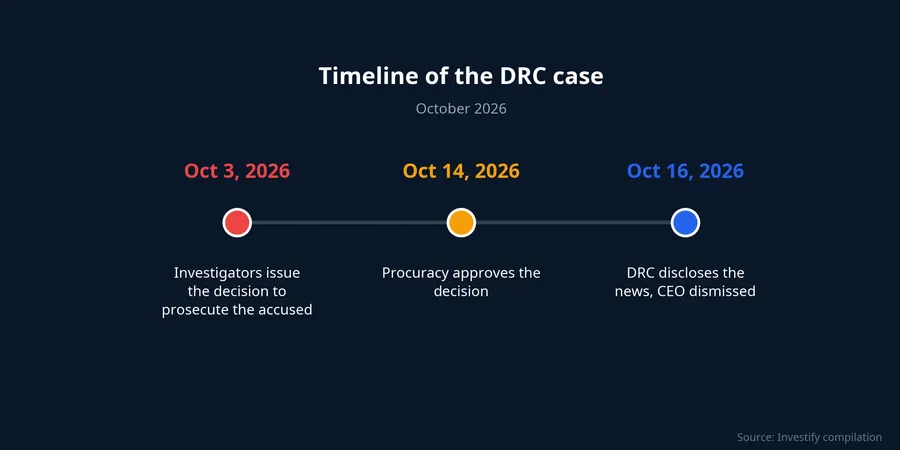
According to DRC's disclosure as reported by CafeF and Người Quan Sát on October 16, the Investigation Security Agency of the Da Nang City Police issued prosecution decision No. 75/QĐ-ANĐT-Đ2 against Mr. Nhut on October 3, 2026, for embezzlement under Clause 2, Article 353 of the Criminal Code.Người Quan Sát
On October 14, the Da Nang People's Procuracy approved that decision in Decision No. 521/QĐ-VKS-P3. For a decision to prosecute an accused, procuracy approval is what allows it to be carried out. DRC received the approval and made its disclosure on October 16. That means 13 days passed between the investigators signing and shareholders finding out, and two days between approval and disclosure.
Who runs DRC after October 16
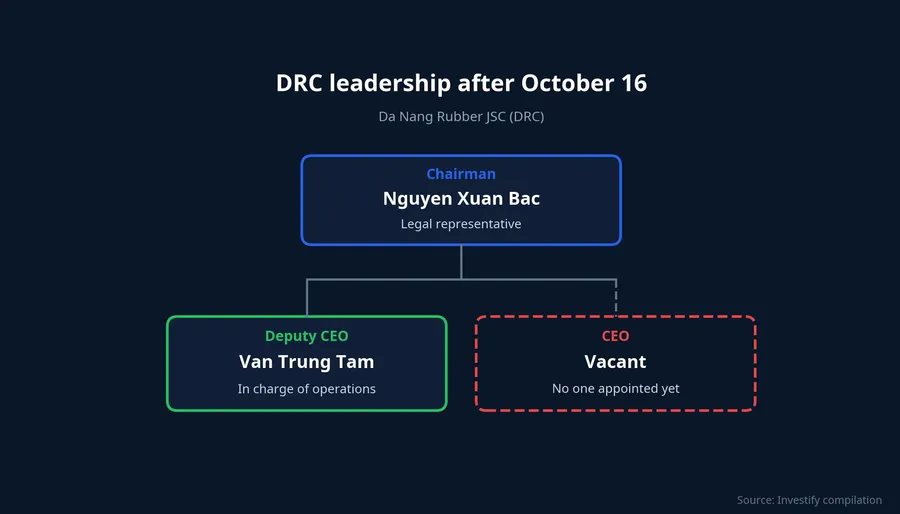
The board met on October 16 and passed a resolution effective the same day, according to CafeF and the personnel notice DRC sent to HoSE, as relayed by Tuổi Trẻ.Tuổi Trẻ It has three parts.
First, Mr. Nhut was dismissed as CEO, with "being prosecuted" given as the reason. No new CEO has been named. Second, Mr. Van Trung Tam, a board member and Deputy CEO, was put in charge of the executive board and will perform the CEO's duties until a replacement is decided. This is a stopgap: the disclosure gives no deadline and no formal candidate.
Third, Mr. Nhut's status as legal representative ended, and Nguyen Xuan Bac, Chairman of the board, was appointed in his place. In practice, the person signing legal documents for the company since October 16 is the Chairman, while daily operations sit with a deputy CEO.
State capital changes its representative
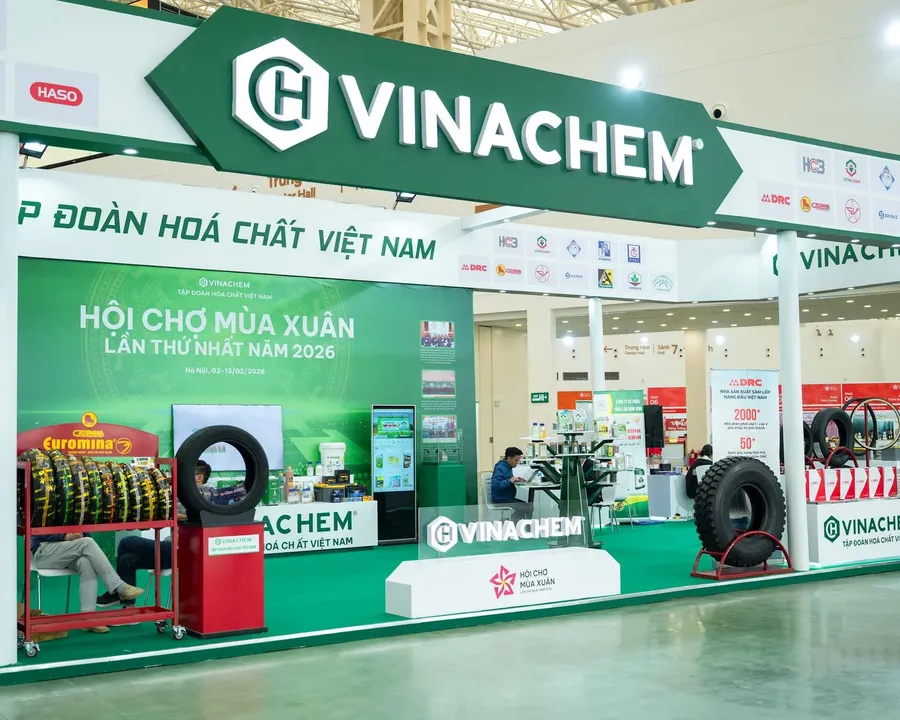
Vietnam National Chemical Group (Vinachem) is DRC's controlling shareholder, holding 77,999,165 shares, or 50.51% of charter capital. That stake is not represented by one person but split among several individuals, each responsible for a share.
On the same day, Vinachem sent DRC a letter changing its capital representatives. Mr. Nhut stopped representing the portion equal to 10% of charter capital, and the share represented by Mr. Bac rose from 10.51% to 20.51% effective October 16.CafeF On charter capital of VND 1,544.29 billion, the 10% that moved equals about 15.4 million shares.
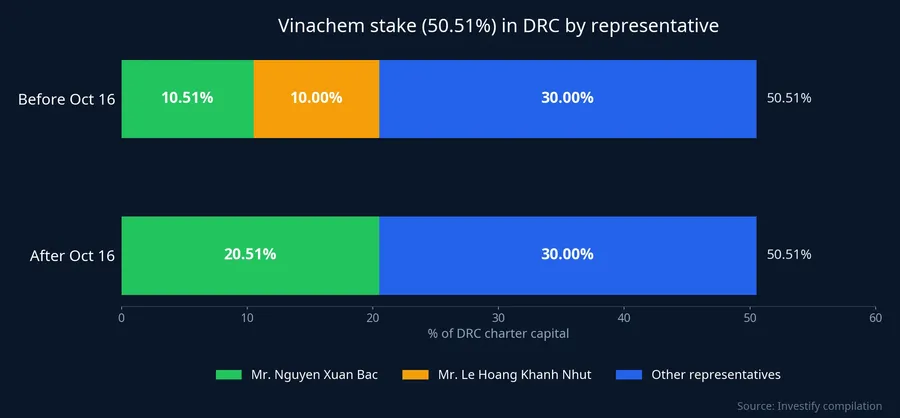
After the change, Mr. Bac holds three roles at once: Chairman, legal representative, and representative of about two-fifths of Vinachem's stake in DRC. The rest is represented by other people, whom the October 16 reports do not name.
Vinachem also asked DRC to prepare an extraordinary shareholders' meeting in 2026 to consider removing Mr. Nhut from the board. Directors are elected by shareholders, so the board cannot dismiss one of its own members. Until the meeting votes, Mr. Nhut stays on the board even though he has left the executive chair. He is also an individual shareholder with more than 765,000 DRC shares, about 0.5% of charter capital, separate from the stake he used to represent for Vinachem.Người Quan Sát
What the interim team is managing
Da Nang Rubber was founded in 1975 and makes tires and tubes for trucks, buses, containers, construction and special-purpose vehicles, plus part of the passenger-car segment.Người Quan Sát It employs about 2,000 people, sells domestically through more than 2,000 tier-1 and tier-2 distributors, and exports to over 50 countries and territories.Tuổi Trẻ
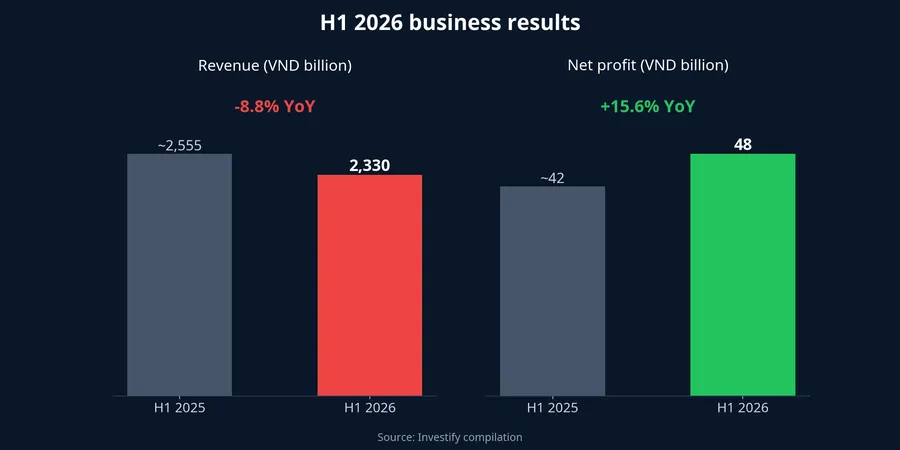
The reviewed 2026 half-year financial statements are the latest the company has published. First-half revenue was above VND 2,330 billion, down 8.8% year on year. Net profit rose 15.6% to VND 48 billion. Profit rose while revenue fell alongside a wider gross margin, up from 11.15% to 17.28%.Người Quan Sát Total assets at period end exceeded VND 3,600 billion. That is the asset base an interim management team now oversees.
Third-quarter 2026 results have not been released. When they are, they will be the first financial statements DRC publishes since Mr. Nhut left the executive seat, even though the numbers inside still cover a period when he was in office.
What is still unknown
The published documents give only the offense and the applicable article. As of the evening of October 16, the reports did not say what specific conduct investigators allege. It is unclear what property is involved, what it is worth, or whether it belongs to DRC. There is also no date for the extraordinary shareholders' meeting, no record date, and no agenda.
That last item is where shareholders can look first. DRC's most recent record dates remain the 2026 annual meeting (March 12, 2026) and the VND 500 per share cash dividend for 2025 (June 4, 2026). No record date has been set for the extraordinary meeting.
How to read this period
The speed of DRC and Vinachem shows one thing: procedurally, the company was never left without a signature or an executive for a single day. The legal representative, the acting head and the capital representative were all named on the day the news broke. The risk of a paralyzed management is therefore lower than the information risk: shareholders know exactly who signs, but know almost nothing about the substance of the case.
Still, the current structure is a temporary one. Decision-making power is concentrated in Mr. Bac across three roles, and appointing a permanent CEO falls to the board, with no timetable. If the extraordinary meeting is called soon and the board names a permanent CEO, the interim phase will close on the management side. If these steps drag on, shareholders will read the third-quarter report and later ones while the company is still run by an acting head.
The documents worth watching from now to year-end, in the order they may appear:
- Record-date notice and materials for the extraordinary meeting. They will show whether the meeting only removes Mr. Nhut or also elects additional directors.
- Board resolution appointing a CEO. Whether the pick comes from the current team or is sent by Vinachem will show if the controlling shareholder wants continuity or change.
- Third-quarter 2026 financial statements. The notes will show whether the company recorded any item related to the case.
- Information from the investigating agency. This is the only document that can answer the questions about conduct and asset value, and it usually arrives last.