

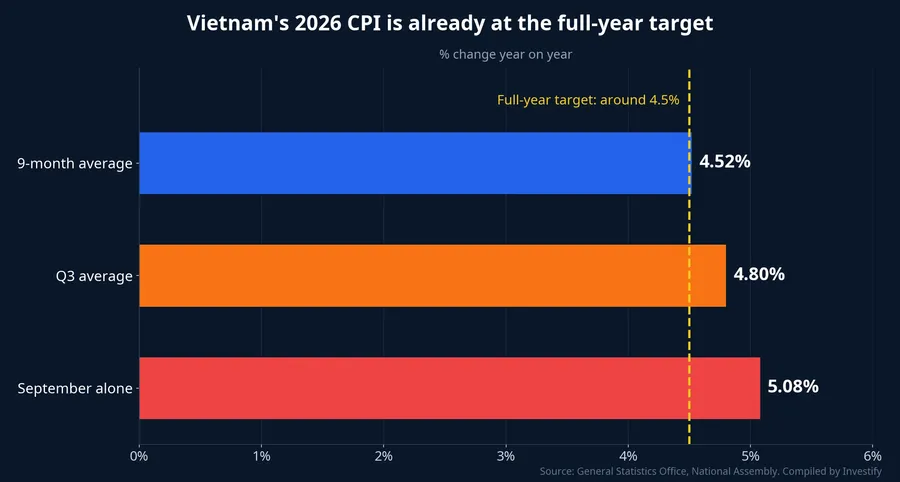
Vietnam used up its 2026 inflation allowance before the final quarter even began. According to a Ministry of Finance report presented at the government's regular September meeting on the morning of October 3, average consumer price index (CPI) growth for the first nine months stood at 4.52%. The full-year target approved by the National Assembly is around 4.5%.Thanh Niên
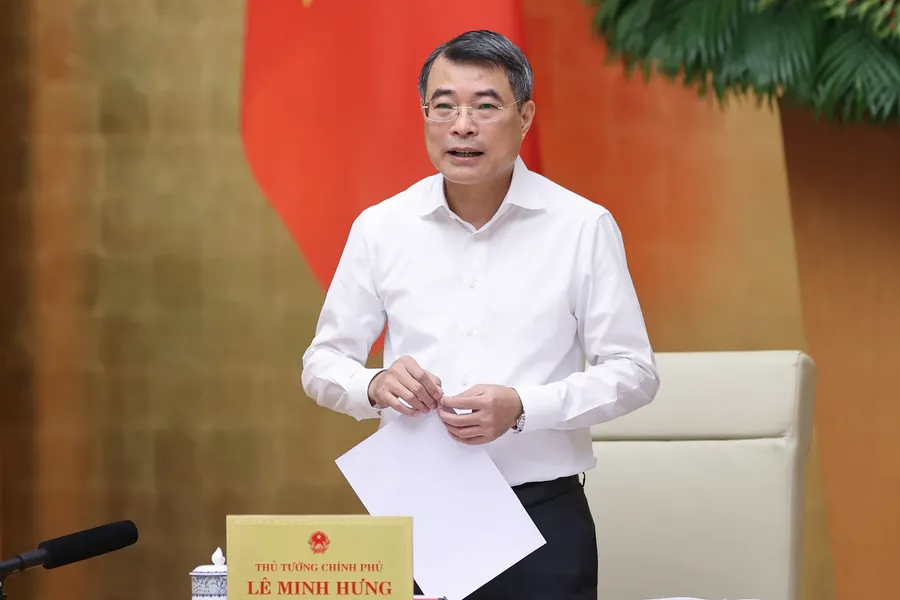
In his concluding remarks, Prime Minister Lê Minh Hưng instructed that electricity prices not be raised, and called for continued work on regulating the prices of state-managed goods such as electricity and fuel.Dân trí To be clear from the outset, this was an instruction given at a meeting, not a published regulation or a pricing decision. Still, the big picture shows a clear order of priorities. With inflation headroom nearly exhausted, any price the state can still hold will be held.
Almost no room left on inflation
The inflation target is measured as the full-year average CPI against the previous year. After nine months the average is already 4.52%, level with the target. To keep the annual figure from overshooting, the last three months need to run slower than, or at most in line with, the average so far.
The problem is that recent readings are accelerating, not slowing. Per data released by the General Statistics Office, September CPI alone rose 5.08% year on year, the Q3 average rose 4.80%, and September was up 0.62% from August.Tạp chí Công Thương In other words, each recent month is pulling the average up. Core inflation, which strips out fuel, gas, staple food, fresh food and healthcare services, averaged 4.26% over the nine months.Thời báo Tài chính
At its press briefing, a General Statistics Office representative said the remaining room for the final months of the year is very narrow. The office also noted that year-end months usually bring extra seasonal pressure from holiday and Tết spending.Thời báo Tài chính Against that backdrop, even a small electricity price increase would feed straight into the group that is already the second-largest contributor to this year's inflation.
Why electricity and not fuel
Three groups account for most of the nine-month CPI increase. Food and catering rose 4.72%, contributing 1.69 percentage points. Housing, electricity, water, fuel and construction materials rose 6.68%, contributing 1.52 points. Transport rose 6.06%, contributing 0.6 points.Tạp chí Công Thương Electricity sits in the second group, which also posted the steepest price rise of the three.
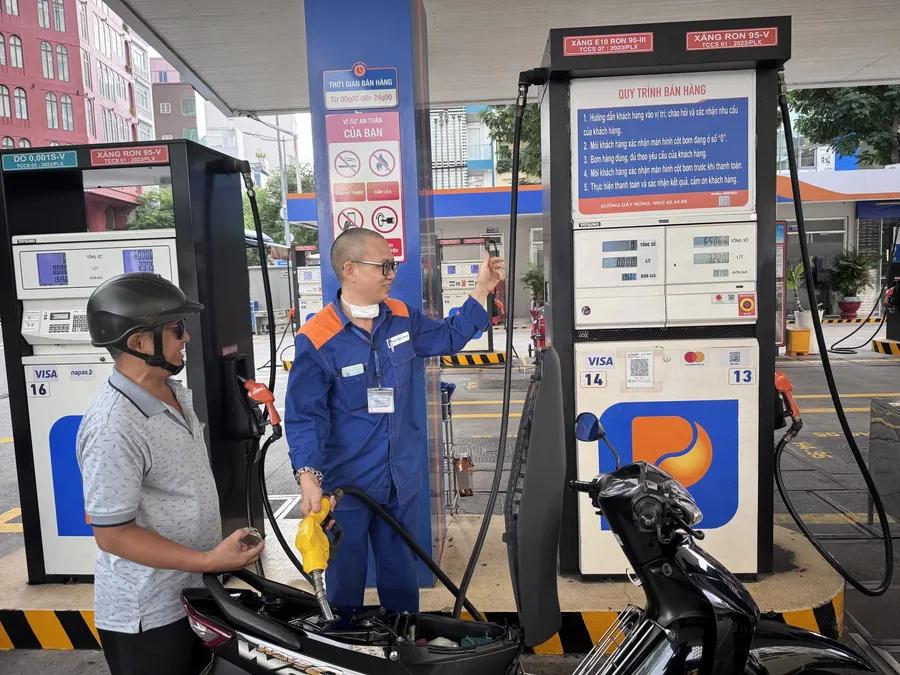
Looking at September alone, though, the clearest source of pressure was fuel. Gasoline prices rose 9.39% month on month and diesel 4.53%, lifting the transport group 3.97% and single-handedly contributing 0.40 points of September's 0.62% CPI increase.Tạp chí Công Thương The statistics office attributed this to domestic fuel price adjustments that track world prices. Brent crude was still at USD 99.62 a barrel on October 2, after touching USD 106.60 on September 24.
That is the core difference between the two. Domestic fuel prices move with each scheduled adjustment pegged to world prices, so a simple "do not raise" instruction would be hard to sustain with crude hovering around USD 100 a barrel. For fuel, the instruction therefore stops at continuing to study regulatory measures.
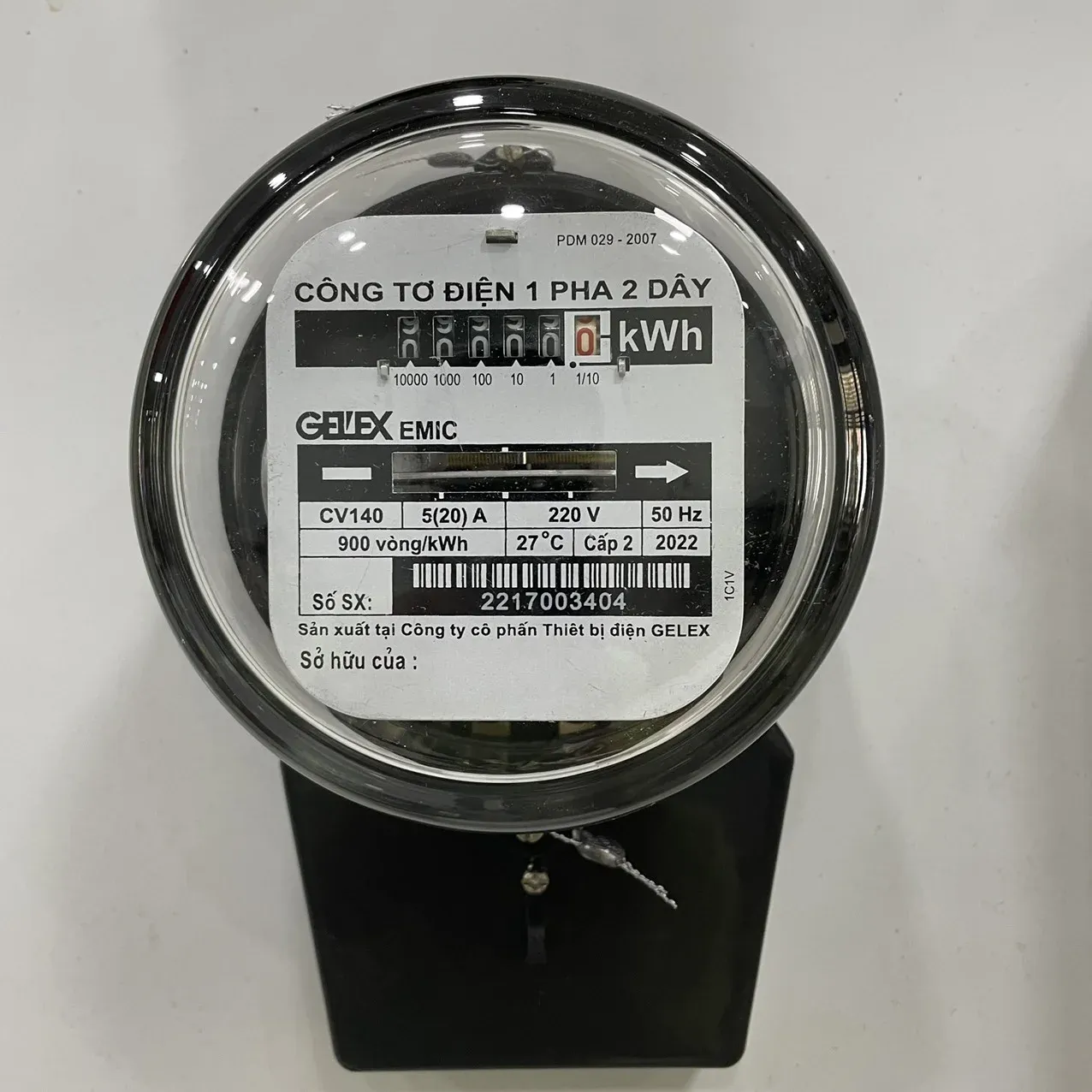
Retail electricity works differently. The average tariff of VND 2,204.0655 per kWh has applied since May 10, 2025, following a 4.8% increase, and it changes only when an adjustment decision is issued.Người Quan Sát No decision means no change. That makes electricity the one lever the government still fully controls.
A frozen tariff is not a frozen bill
This is where households are most likely to be misled. There was no electricity price increase in the first nine months, and according to the report at the meeting, higher hydropower output helped hold supply steady.Thanh Niên Yet the household electricity component of the CPI basket still rose 4.35% on a nine-month average basis.Thời báo Tài chính
The statistics office attributes this to higher power consumption during the hot months. Household tariffs are tiered: the more you use, the more expensive each additional block becomes, so the average amount a household pays per kWh rises even though the tariff itself is unchanged. A second factor may also play a part, since the May 10, 2025 increase means early 2026 months are compared against a lower base a year earlier. The data leans toward the first explanation, and the reverse movement supports it: in September, when storms and tropical depressions dampened demand, household electricity prices fell 0.13% from the previous month.Tạp chí Công Thương
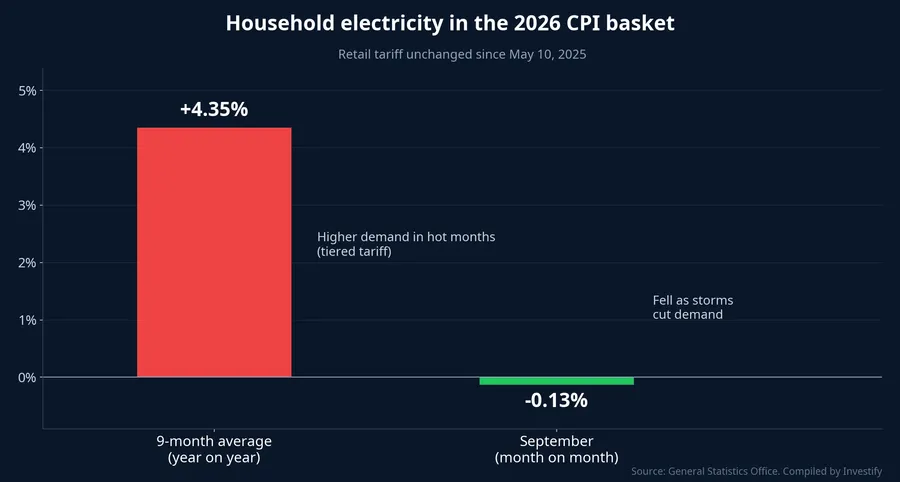
So what the October 3 instruction gives households is an unchanged tariff, not an unchanged bill. Bills for the rest of the year will not carry an extra price increase, but they will still move with how much power each household uses. For businesses that consume a lot of electricity, year-end power costs will depend more on their own output than on any pricing decision.
The costs that don't reach the tariff land on EVN
Holding retail prices does not make electricity any cheaper to produce. If the costs of buying power, fuel and operations rise while selling prices stay flat, the gap stays inside the power sector, first and foremost at Vietnam Electricity (EVN), which buys power from generators and sells it to end users.
The last time the state held power prices to contain inflation, the cost was plain to see. Over 2022–2023, EVN booked losses of around VND 50,029 billion, as many production and supply costs had not been fully passed into retail prices. Average tariffs were then raised several times, and by the end of 2025 the parent company's accumulated losses had narrowed to around VND 5,611 billion.Người Quan Sát
This time EVN enters the price freeze with a cushion. In the first eight months of 2026 the group reported revenue of more than VND 482,000 billion and estimated profit of VND 12,215 billion, 103% of its annual plan, and it has cleared all accumulated losses from previous years.Người Quan Sát Unlike 2022, holding prices through year-end does not immediately tip EVN from profit into loss.
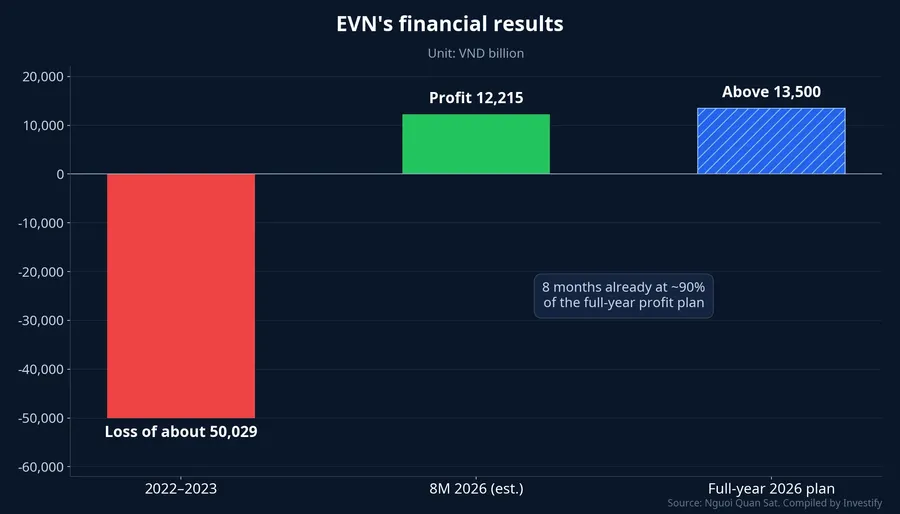
That cushion is thinner than the eight-month figure suggests, however. EVN expects full-year 2026 profit above VND 13,500 billion, only about VND 1,300 billion more than it had already earned after eight months.Người Quan Sát Our reading is that the plan itself shows EVN does not expect the last four months to add much profit. EVN also forecasts power demand rising around 10.5–12% between now and year-end, while the Ministry of Industry and Trade said it will coordinate hydropower reservoir operations and prepare for El Niño in Q4.Thanh Niên El Niño typically brings less rain, which means less cheap hydropower and more reliance on costlier sources.
At the same meeting, the Prime Minister tasked the Ministry of Industry and Trade with promptly submitting the revised Power Development Plan VIII and a restructuring plan for EVN.Thanh Niên Freezing output prices while input costs may climb is one reason EVN's finances are likely to return to the table once this freeze ends.
How investors should read the instruction
For macro watchers, the decision to hold electricity prices signals that inflation control now ranks alongside growth goals in the final quarter. At the same meeting, the State Bank of Vietnam was tasked with measures to keep interest rates stable.Dân trí Capital flows now have to factor in one thing: inflation sitting right at target is one of the variables limiting room for further monetary easing. That makes the coming CPI prints matter to savers and equity holders alike.
For holders of power-sector stocks, two things need to be kept apart. The instruction applies to EVN's retail price to end users, while each generator's results depend on its own power purchase agreements, hydrology and fuel costs. Reading this as uniformly bad news for the whole sector is misreading who actually bears the impact.
Conclusion: the tariff is frozen, costs are not
The thesis is straightforward. With nine-month average CPI at 4.52% and September alone up 5.08% year on year, electricity is the one price the government can hold simply by not issuing an adjustment, so it is being held. Households get an unchanged tariff for the rest of the year, but their bills still follow their usage. The costs that don't reach the tariff stay with EVN, which this time has an eight-month profit cushion rather than falling straight into losses as in 2022–2023.
That conclusion would need revisiting if two signals deteriorate together. The first is October CPI, due from the General Statistics Office in early November. If year-on-year growth stays near 5% as in September, hitting the target of around 4.5% will depend almost entirely on holding every state-managed price.
The second is rainfall and EVN's Q4 profit. If El Niño cuts hydropower output while crude stays around USD 100 a barrel, the VND 12,215 billion cushion will thin quickly, and the question of a power price adjustment is likely to return as soon as 2026 closes.