
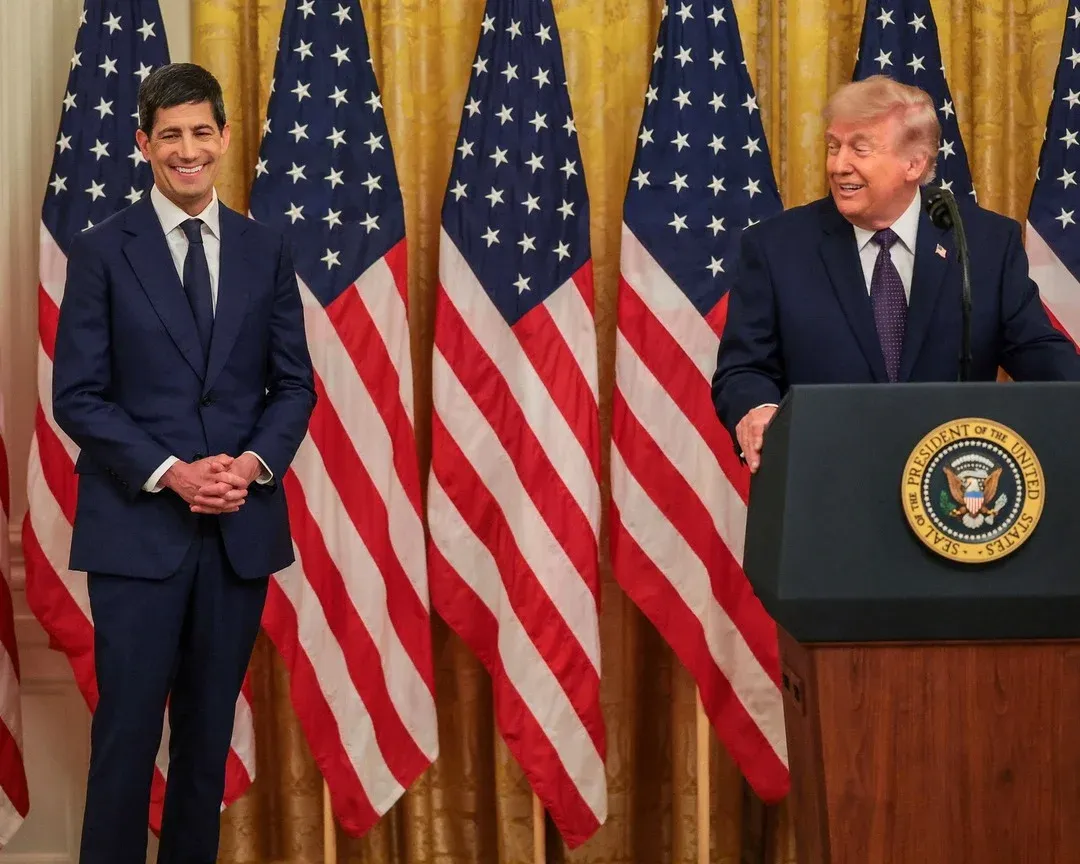

On September 4, 2026, US President Donald Trump posted on Truth Social threatening to halt trade with countries running a trade surplus with the US, unless the Fed cuts interest rates.Vietnamfinance It was the first time he had tied trade policy directly to a rate decision, and Vietnam sits squarely in the crosshairs: in the first eight months of 2026, Vietnam's trade surplus with the US reached $106.6 billion, up 22.7% year-on-year.VietnamNet
The man the White House is pressuring is Fed Chair Kevin Warsh, nominated by Trump himself seven months earlier. Everything since has unfolded in the opposite direction from what Trump originally hoped for.
January 30: markets read the pick the wrong way for the White House
On January 30, 2026, Trump announced the nomination of Kevin Warsh, a former Fed Governor from 2006 to 2011, to succeed Jerome Powell as Fed Chair.Vietstock His wish at the time was clear: a policy rate around 1%, far below the 3.6% in effect. Markets read the pick the opposite way, since Warsh was known as an advocate for higher rates to control inflation and for shrinking the Fed's balance sheet.
The price reaction came within the same session: gold fell from $5,376.74 to $4,887.07 per troy ounce, down 9.11% in a single day, while the dollar index rose 0.74% to 96.99, its sharpest gain since May 2025. In other words, from day one, markets priced in a Fed less likely to ease, not the easier Fed Trump wanted.
An independence test through hearings and the July meeting
The confirmation process dragged on for nearly four months and was far from smooth. At his Senate Banking Committee hearing on April 21, Warsh stated plainly that he made no promise to Trump to cut rates.MarketTimes On May 13, the Senate confirmed him 54-45, with only one Democratic senator in favor, and he was sworn in on May 22 in the White House East Room.VnEconomy
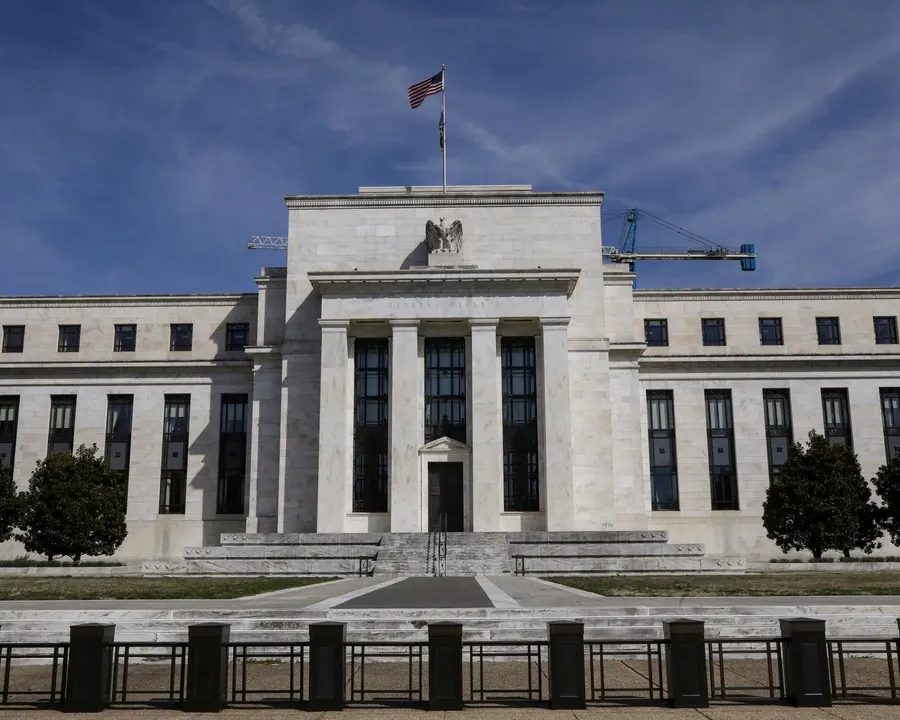
The July meeting was the first real test. The Fed held rates steady, but three regional Fed presidents (Cleveland's Beth Hammack, Minneapolis's Neel Kashkari, and Dallas's Lorie Logan) dissented, pushing for a 25-basis-point hike. It was the first time since September 2016 that three dissents pointed the same direction.CNBC Warsh later cited that hold decision as evidence of the Fed's independence from the White House.
Jackson Hole, August 28: the speech that flipped expectations
The real turning point came in late August. Speaking at the Jackson Hole symposium, Warsh focused entirely on inflation: July PCE at 3.7%, CPI at 3.4%, and 54% of the 199 components in the PCE basket up more than 3% over 12 months, while judging current financial conditions as not yet tight enough.Vietstock
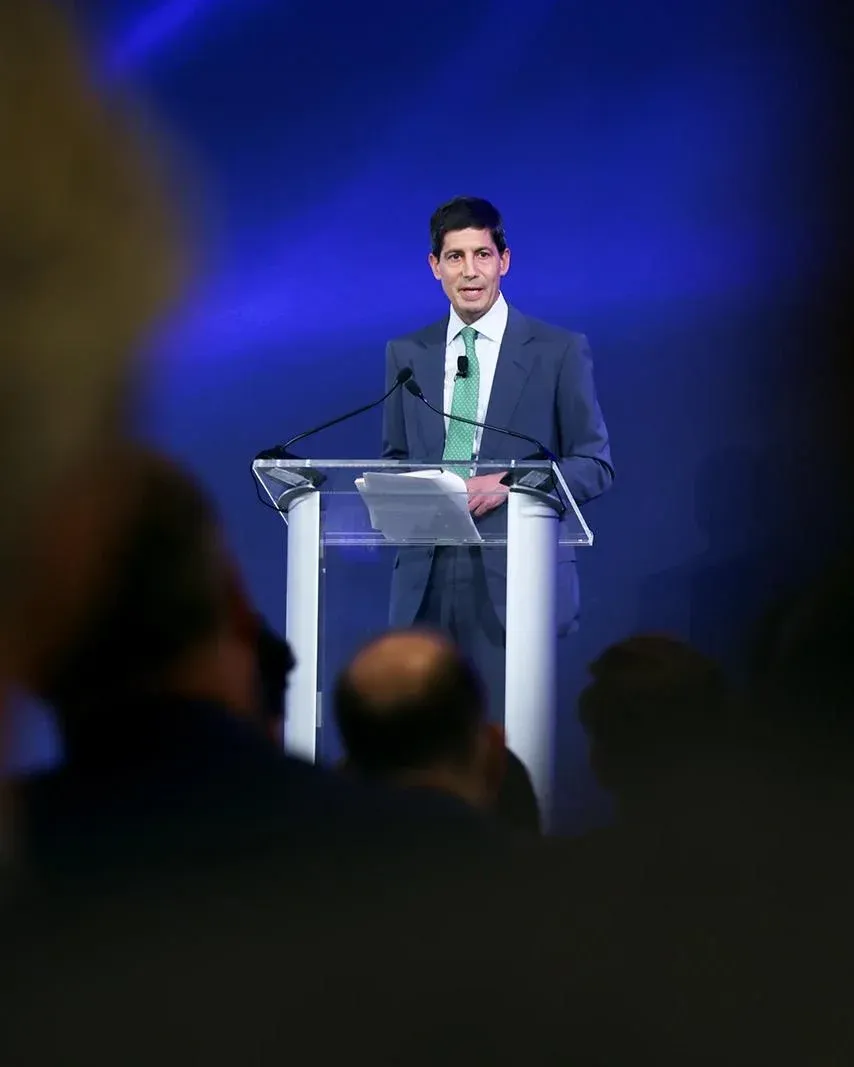
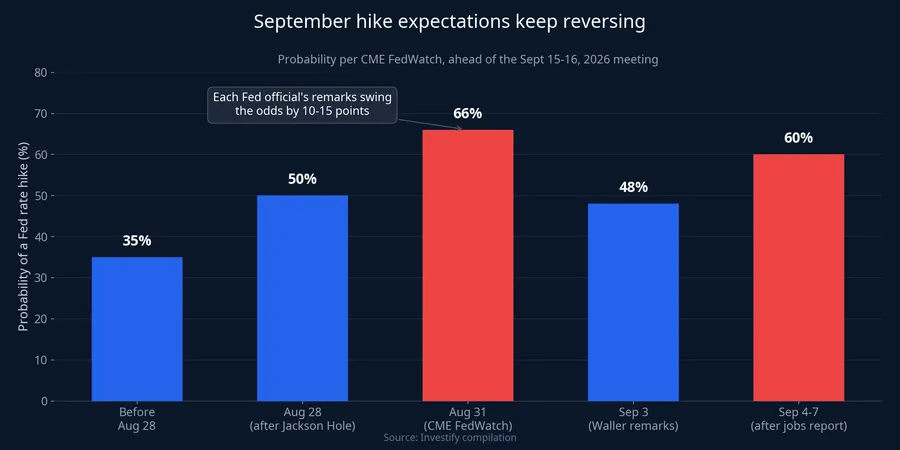
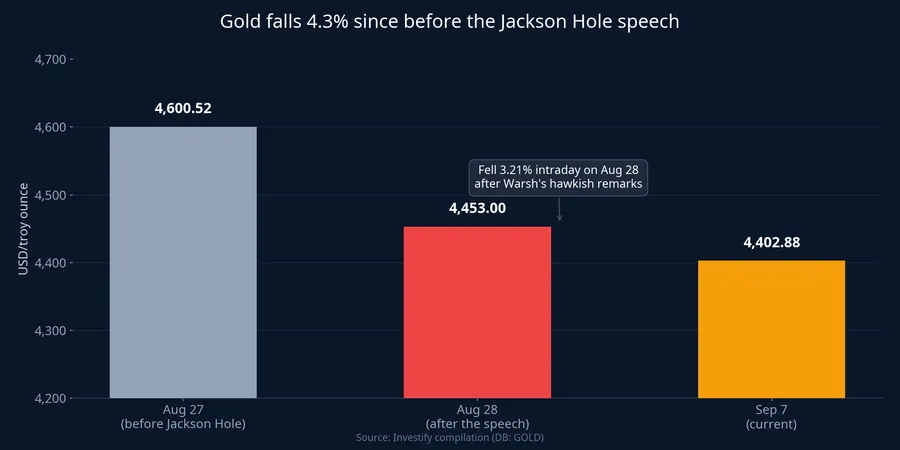
Warsh made no commitment to hike, but markets still read the speech as hawkish: the probability of a September hike jumped from roughly 35% to around 50% that same day,CNBC then to roughly 66% by August 31 per CME FedWatch.CNBC Gold fell 3.21% intraday, to $4,453.00.
Early September: a jobs report and a pressure campaign
On September 3, Fed Governor Christopher Waller leaned toward holding rates, citing three-month inflation that eased from 4.76% to 3.05%; hike odds slipped back to around 48%.Vietstock
On September 4, the August jobs report reversed that. Nonfarm payrolls rose by 162,000, nearly triple the roughly 56,000 Reuters had forecast; unemployment held at 4.1%, and July's figure was revised from a decline of 23,000 to a gain of 21,000.MarketTimes Hike odds moved back up to around 60%.
That same day, Trump cited the strong jobs report to demand a rate cut, arguing the US should have the lowest interest rates in the world. Over the week, Vice President JD Vance, Treasury Secretary Scott Bessent, and senior White House economic advisor Peter Navarro all spoke in that direction, though Trump has yet to directly criticize Warsh the way he once did Powell.
The two sides are arguing over two different yardsticks: the White House cites core CPI up 1.6% on a three-month annualized basis, while Fed officials point to core PCE, the Fed's preferred gauge, running above 3% over the same period. Both numbers are accurate, and they lead to opposite conclusions. One constraint that gets less attention: per ING, only 3 of the 9 officials favoring a hike hold a vote this year,Fireant so the roughly 60% probability markets are pricing does not mean the outcome is settled.
How far prices have already moved
Gold closed on September 7 at $4,402.88 per troy ounce, down 4.3% from $4,600.52 on August 27, the session before the Jackson Hole speech. In Vietnam, SJC gold bars sold for VND 146.5 million per tael on September 7, 2.5% below the VND 150.2 million level on August 28.
Notably, the dollar barely moved over the same stretch: the dollar index stood at 99.19 on September 7, versus 99.17 on August 28. That makes it hard to pin gold's drop entirely on dollar strength. At least two explanations coexist: higher expected real rates reducing the appeal of a non-yielding asset, and profit-taking after a long rally since the start of the year. Yield behavior leans toward the first explanation: the 10-year Treasury yield climbed to around 4.80% on September 7, its highest level since early 2025.
The USD/VND rate has yet to face a comparable squeeze: VND 26,040 on September 7, below the VND 26,096.5 level on August 28, while the VN-Index closed September 7 at 1,821.64 points, down 1.70%.
Two remaining data points before September 16
The producer price index on September 10 and August's CPI on September 11 are the two missing pieces before the September 15-16 FOMC meeting; Reuters forecasts headline CPI up 0.4% month-on-month and core CPI up 0.2%.
For Vietnamese investors, the variable that matters goes beyond whether the Fed hikes or holds. According to Lương Duy Phước, Head of Analysis at Kafi Securities, what's worth watching is how yields and the dollar react after the meeting, since those are what actually feed through into the exchange rate and foreign capital flows.MarketTimes
Two scenarios follow. In the first, August CPI runs hotter than forecast and the Fed hikes 25 basis points; the remaining 40% probability has to adjust, the 10-year yield could push past 4.80% and the dollar strengthens, pressuring the exchange rate and foreign inflows into Vietnam, with gold facing further near-term downside. In the second, CPI cools and the Fed holds with a softer tone, tightening expectations unwind quickly, and gold, already down 4.3% over the past two weeks, has room to recover.
For investors holding gold as part of a portfolio, the typical approach at this stage is to keep existing weightings unchanged and wait for the September 10 and 11 data, rather than buying or selling ahead of an event the US market itself is pricing at only around 60% one way. For those tracking the exchange rate, the first marker to watch is the 10-year Treasury yield in the two sessions after the FOMC announcement, not the rate decision itself.
As for the White House's trade threat, at this point it remains a single social media post with no concrete measures attached. But it shows how far the US administration is willing to go in tying a trade dossier to a decision that belongs to the central bank, and Vietnam finds itself named in that debate by virtue of its own trade surplus. The September 10 and 11 data will be the next test of whether markets are reading the signal correctly, or getting it wrong again.