
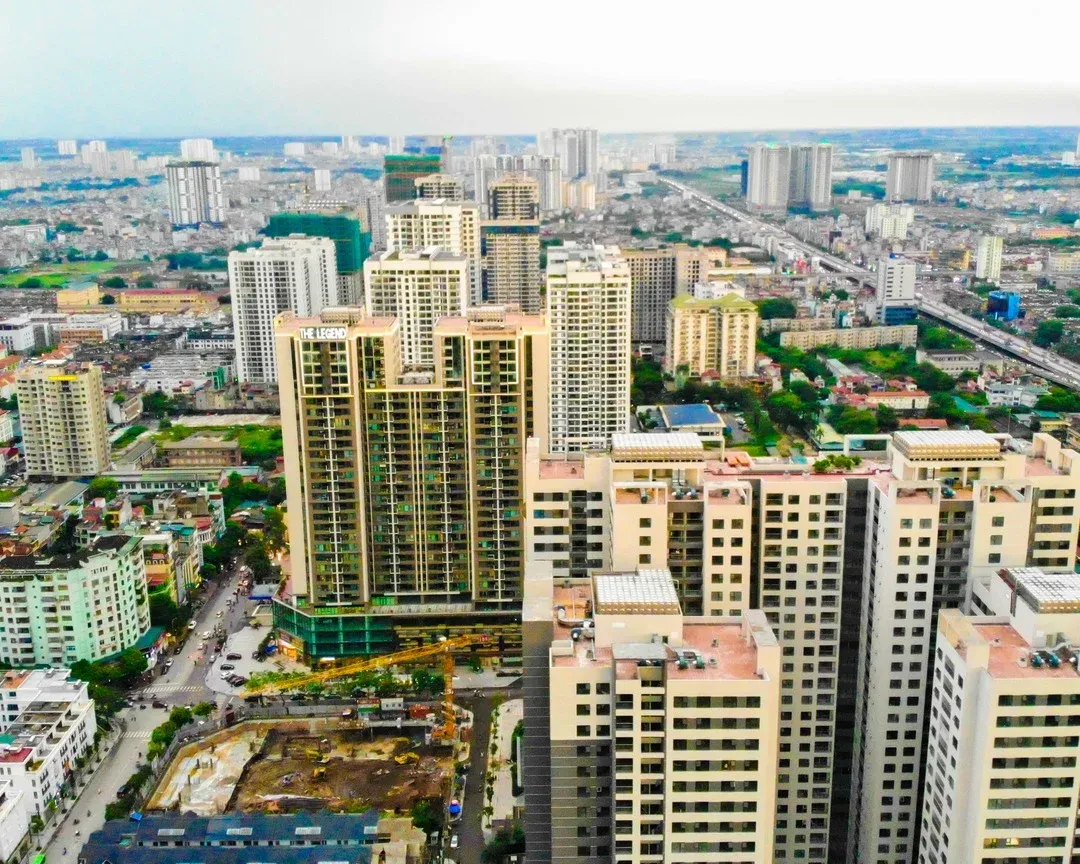

On the afternoon of August 28, Ho Chi Minh City's Task Force 1645 held its latest session to untangle backlogged property-title cases, known locally as "sổ hồng." One case on the table was Hanh Phuc Residential Area in Binh Hung commune, developed by Construction Corporation No.1 (CC1), where 1,080 phase-one apartments were handed over back in 2016 and still have no title.Thanh Nien
Nearly a decade is long enough for a family to have a child, change jobs, or want to sell and move on. Through all of it, the apartment they paid for has never been legally recognized as an asset in their name. What's notable: the delay almost never traces back to the buyer.
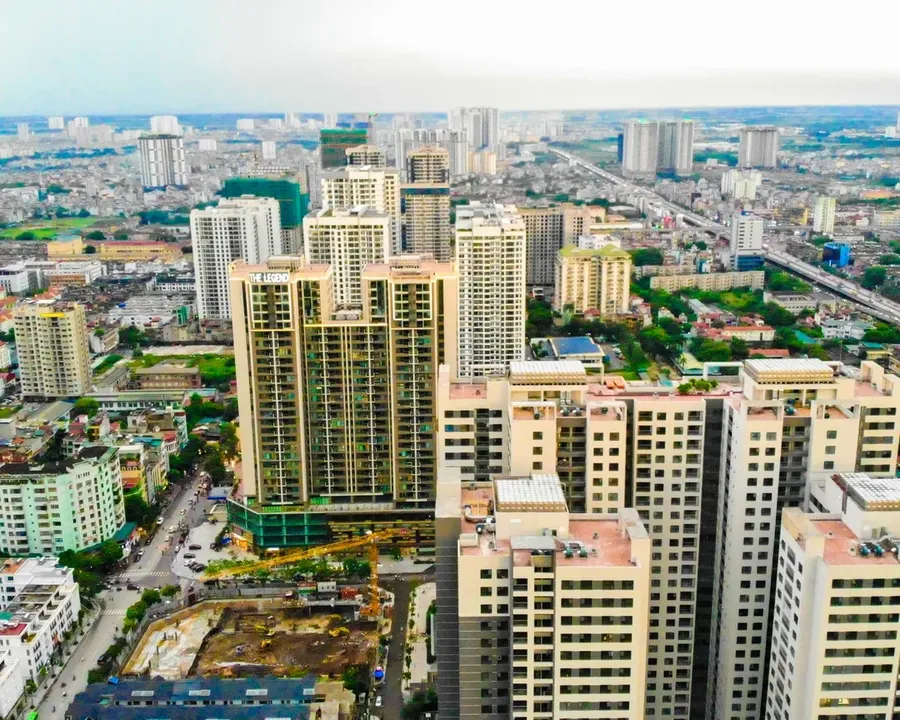
Where the snag sits, and whose it is
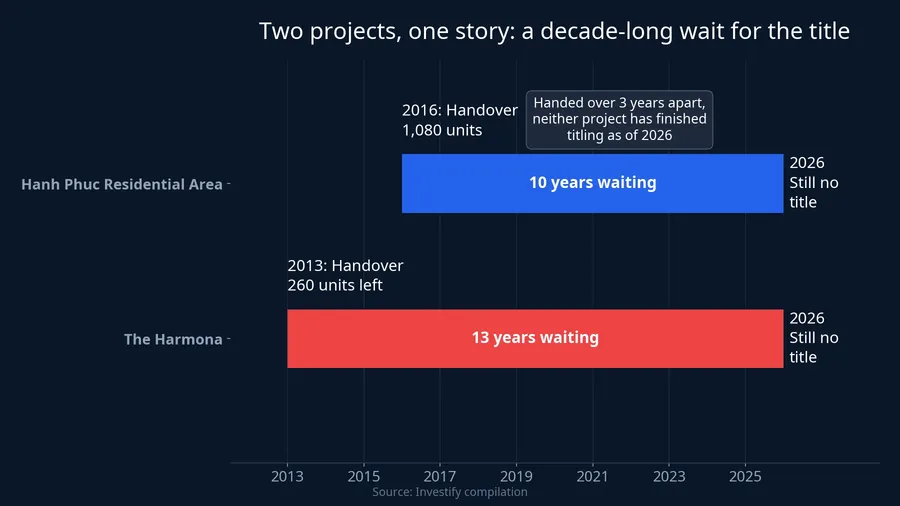
Across stalled projects, the common thread is that the snag almost always sits with the developer, while the consequences land on the buyer. At Hanh Phuc, the city inspectorate has already flagged multiple unresolved issues. There's an added layer of complexity too: more than 1,000 units here were sold mainly as social housing, but the city's Department of Construction still hasn't approved the list of eligible buyers. The task force's proposed approach is to prioritize titles for the social-housing units first, while commercial units get reviewed for additional financial obligations.
The same session covered The Harmona, at 21 Truong Cong Dinh Street, developed by Tan Binh Import-Export Materials JSC. Handed over back in 2013, 260 units there still lack titles because the developer hasn't turned over roughly VND 6 billion in maintenance funds to the building's management board, and its financial obligations remain unsettled.Thanh Nien One detail stands out: the developer says it invited consulting firms to appraise the land value as a basis for calculating the additional obligation, but no firm showed up. Residents keep waiting, over a tender nobody bid on.
A third case shows how a financial obligation can follow a project even after it changes hands. At Block D of Gateway Thao Dien, the buyer of a portion of the project still owes an additional land-use fee equal to 16.81% of the project's total outstanding obligation.Thanh Nien Because that obligation is unpaid, the task force declined to issue all 22 titles as requested, holding them back until the new owner settles its share.
Scale: 60 projects, roughly 68,000 units
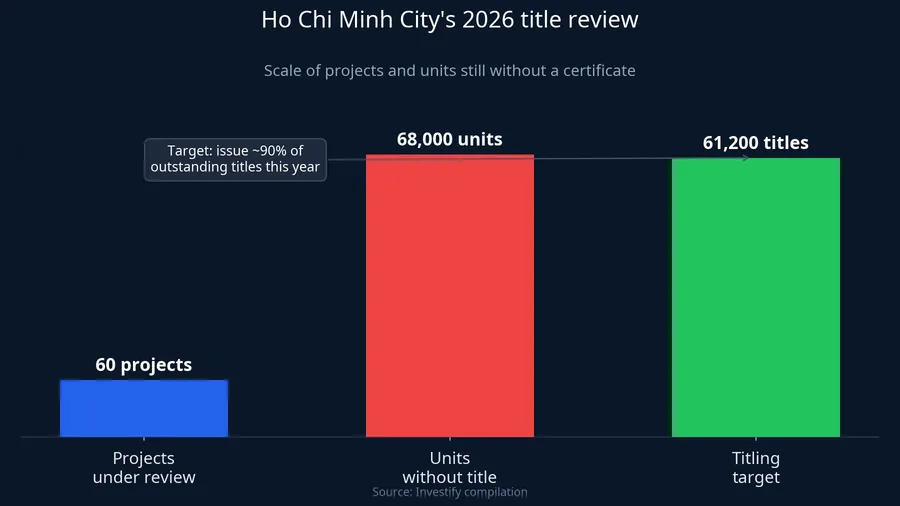
Those three cases are just three files in a very thick stack. Under a plan signed by Nguyen Toan Thang, Director of Ho Chi Minh City's Department of Agriculture and Environment and head of Task Force 1645, issued in early May 2026, the task force will this year review and resolve issues at 60 projects covering roughly 68,000 homes and other properties still without certificates.SGGP The targets attached are specific: clear roughly 30% of cases each quarter, issue 61,200 titles for the year, equal to about 90% of eligible cases and a 15% increase over 2025's results.
The plan also lists four recurring categories of snags at commercial housing projects: unfinished resettlement housing funds, undetermined social-housing implementation methods, technical and social infrastructure not yet handed over, and maintenance funds not yet turned over. None of these four categories has anything to do with whether the buyer paid in full. Land-use fees, maintenance funds, infrastructure, and resettlement funds are all obligations between the developer and the state.
Task Force 1645 was established under Decision No. 1645/QD-UBND, dated September 19, 2025, by the Ho Chi Minh City People's Committee.Thuong Truong As of July 1, 2026, it had held 94 meetings, reviewed 330 projects, and resolved issues at 251 of them. That pace, roughly one meeting a week, shows regulators are actually working the problem, but also just how large the backlog is.
What's lost without a title
For residents already living in these units, missing a title isn't just missing a piece of paper. First, it kills the ability to mortgage: banks won't accept collateral that has no certificate. One reader told Thanh Nien that a unit bought in 2015 still has no title, and when the owner needed to mortgage it for a business loan, the bank refused.Thanh Nien
Second, it kills liquidity. Real estate is already the slowest asset class to sell, with a normal transaction taking one to three months. A unit without a title has almost no market at all: buyers are wary of the legal risk, and anyone willing to buy pushes the price down hard. Third, it complicates other civil transactions: inheritance, gifting, and dividing family assets all require an ownership certificate.
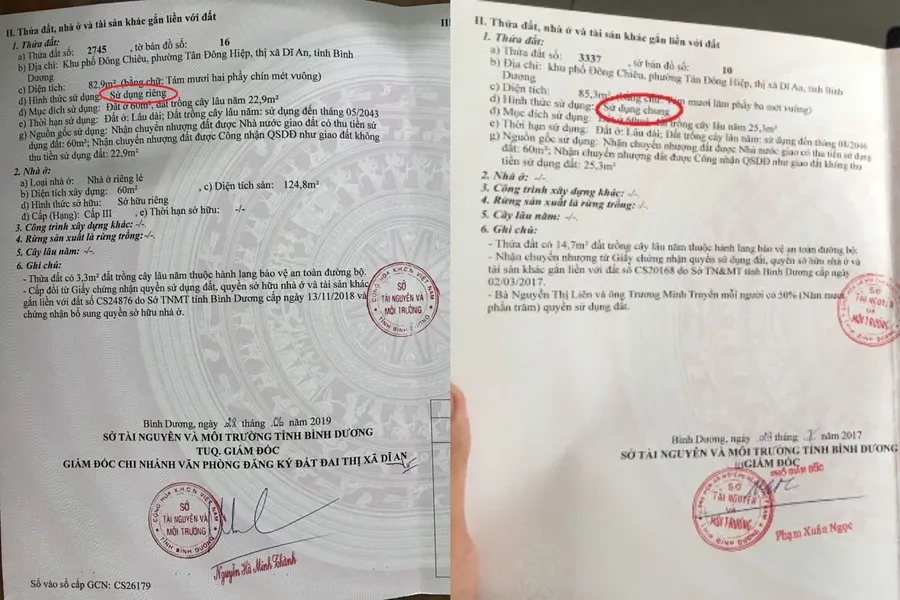
This is a notable difference between real estate and the rest of a retail investor's portfolio. Bank deposits, fund certificates, and stocks all carry price risk, but ownership is recorded the moment the transaction settles. With an apartment, the price can climb steadily for a decade while the owner still can't extract that value, simply because someone else's financial obligation hasn't been paid.
Four things to check before signing
This kind of legal risk is checkable, and the law gives buyers more tools than most people realize.
One, ask directly about land-use fees before putting down a deposit. This is the single most common root cause across the cases Task Force 1645 has handled. Buyers have the right to request that the developer produce documentation showing land financial obligations have been settled, along with the land allocation decision and the land-use certificate for the project site. If a developer dodges this question, that dodge is itself the answer.
Two, hold back the final 5%. Clause 3, Article 25 of the 2023 Law on Real Estate Business states that until the buyer receives the certificate, the seller cannot collect more than 95% of the contract value; the remainder is only payable once the state has issued the title.CafeF For a VND 3 billion unit, that 5% is VND 150 million, the only leverage left to pressure the developer after handover. Buyers should hold onto that right rather than pay in full for a discount.
Three, count 50 days from the handover date. Under the 2023 Housing Law, developers must file the certificate application for buyers within 50 days of handover, unless the buyer voluntarily handles the paperwork themselves.Dan Tri Once that window passes with no movement, buyers have grounds to demand action in writing.
Four, know that you can file for the title yourself. Under the same regulation, if a buyer wants to handle the registration directly, the developer is obligated to provide the necessary records and documents. Buyers don't have to wait for the developer to initiate the process.
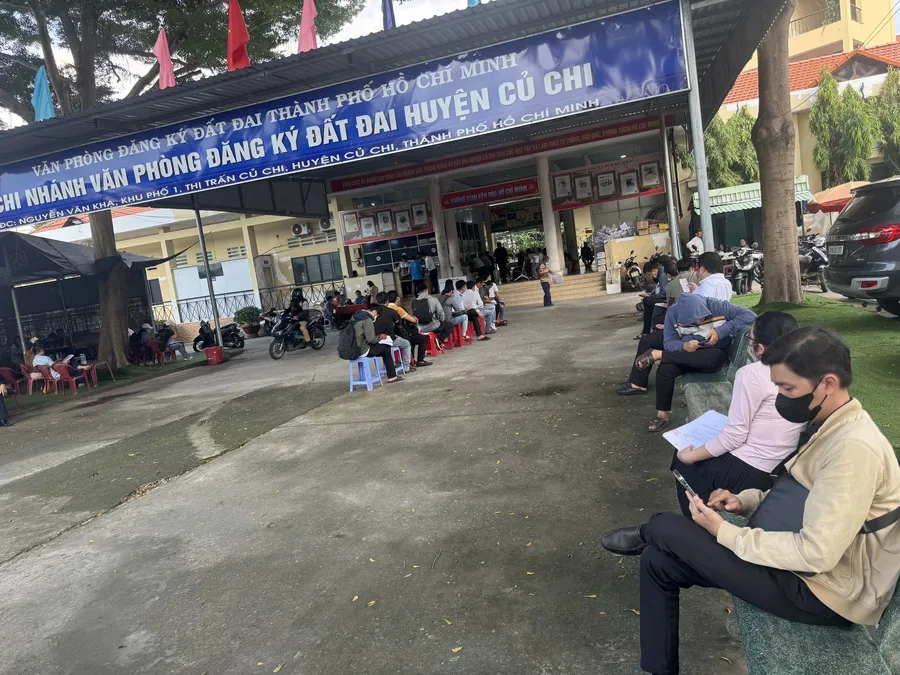
For anyone already living in a stalled project, the reporting channel is widening. The Ho Chi Minh City Land Registration Office is the point of contact that collects reports from residents, ward and commune People's Committees, and the Ho Chi Minh City Real Estate Association (HoREA), before compiling them for Task Force 1645 to review. A collective complaint from residents, filed through a ward committee or HoREA, stands a much better chance of making the review list than an individual one.
Signals worth watching
Ho Chi Minh City's commitment this year comes with measurable numbers: roughly 30% of cases cleared each quarter, 61,200 titles issued for the year. The third quarter is about to close, and the progress reported afterward will be the first real gauge of whether that 90% target is a plan or an outcome.
For Hanh Phuc specifically, the milestone to watch is when the Department of Construction approves the list of eligible social-housing buyers. Until that step clears, most of the 1,080 units handed over back in 2016 will remain outside the pool eligible for titling. For anyone considering a new apartment purchase, the four questions about land-use fees, infrastructure, maintenance funds, and resettlement funds belong on the table before the deposit, not after moving in.