
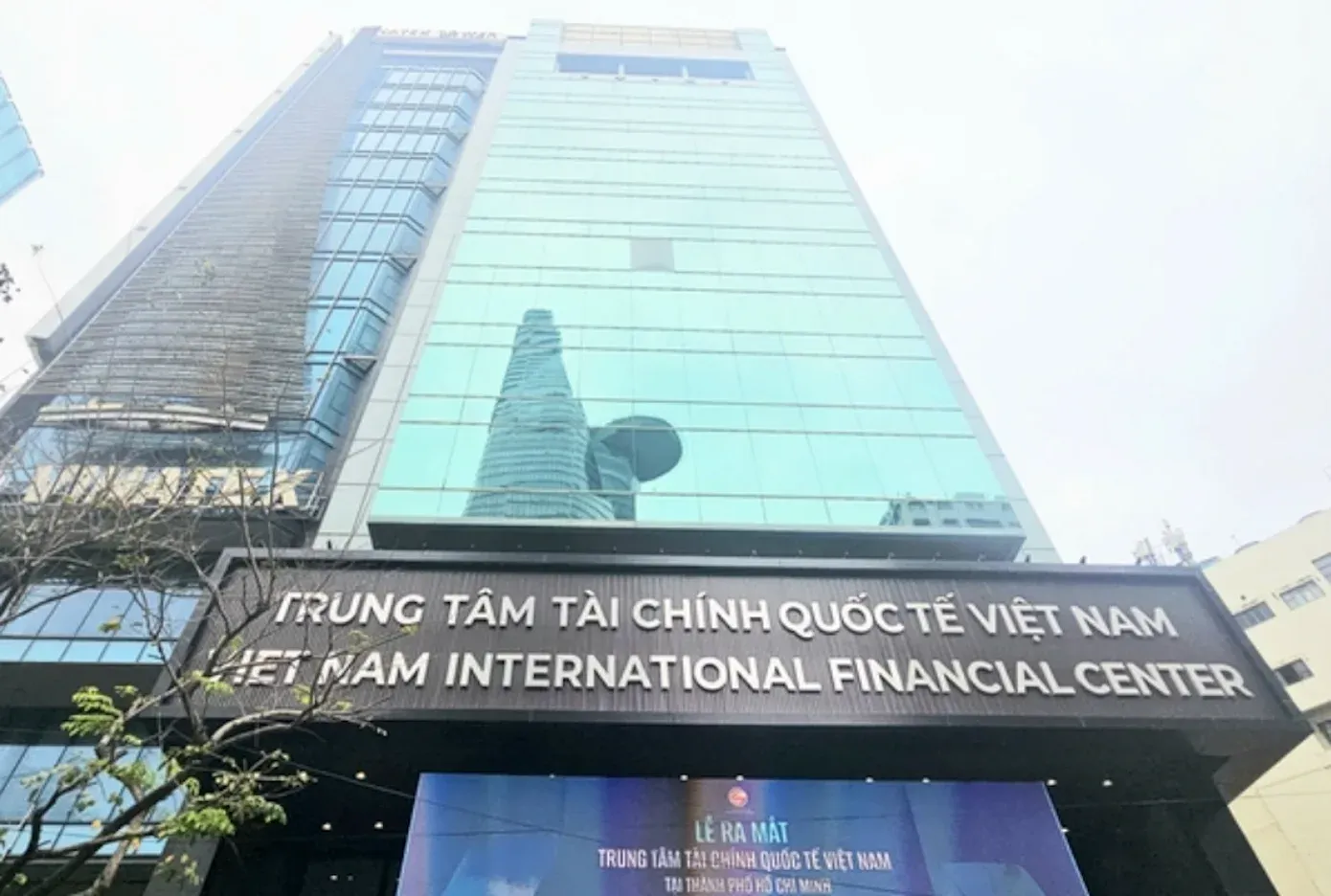

Decision 04/QD-HDĐHTTTC has put Vietnam's International Financial Centre on a defined path through 2035. The important point is not a claim that a finished financial hub already exists. It is that the document separates the work that must happen first from the outcome the country is aiming for later. For investors, that distinction matters: a policy direction creates real opportunity only when it becomes rules, infrastructure and live transactions.Báo Chính phủ
Deputy Prime Minister Nguyễn Văn Thắng of the Government of Vietnam, who also serves as Chairman of the Executive Council of the International Financial Centre in Vietnam, signed the decision on July 22. The plan took effect on the signing date, yet the text itself sets out substantial work on institutions, governance, infrastructure and oversight. The sensible reading, then, is that Vietnam now has an implementation track, while the market remains in its foundation-building phase.Government Portal
From a long-term ambition to a testable roadmap
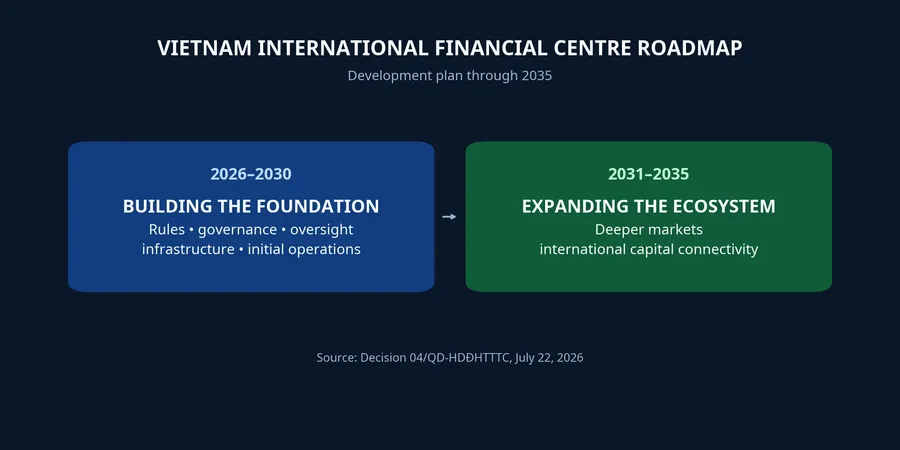
For 2026–2030, the plan focuses on a dedicated legal framework, a governance model, operating arrangements and supervisory systems. It also calls for financial, digital, data, legal and social infrastructure, as well as pilot and initial operation of priority financial products and services. “Pilot” and “initial operation” are meaningful qualifiers. They show that named products are still moving through implementation rather than being confirmed as immediately available to investors.Báo Chính phủ
Put simply, a market does not come into being by naming an asset type or an exchange. It needs applicable rules, participation requirements, an operator, custody and settlement arrangements, disclosure standards, risk limits and a dispute-resolution process. For digital assets and derivatives, that chain also reaches into data protection, anti-money-laundering controls and cybersecurity. If any link remains unclear, investors do not yet have grounds to treat it as a complete market.
During 2031–2035, the emphasis shifts to expanding the ecosystem and deepening the connectivity of capital markets, green finance, digital finance and technology-enabled finance. The plan looks to link regional Asia-Pacific and global capital flows. The sequence is coherent: openness is more durable when governance and supervision can keep pace with the market's expansion.Báo Chính phủ
One management standard, two specialised hubs
The plan adopts the principle of “one management standard, two implementation locations.” Ho Chi Minh City and Da Nang sit within one institutional, governance and oversight architecture, but they are not assigned the same role. That division is worth watching. A financial centre does not need two identical systems; it needs two connected hubs that add different capabilities.Government Portal
Ho Chi Minh City is positioned for a broad financial ecosystem, covering capital markets, fundraising, investment, payments, issuance and trading of financial products. The document also names asset and fund management, green finance, digital finance, commodity markets and commodity derivatives linked to international trade and logistics. If implemented as designed, this is the hub intended to build depth in capital raising and allocation.Báo Chính phủ
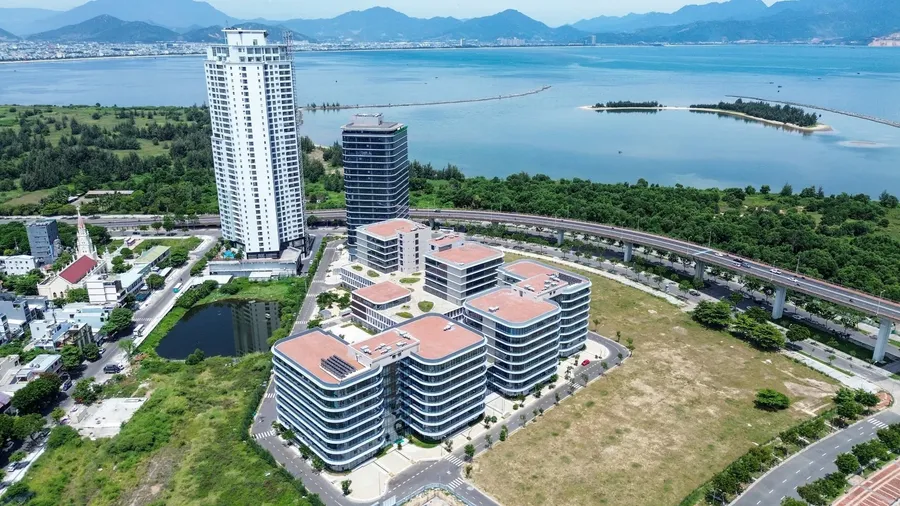
Da Nang is positioned around innovation and financial technology. The plan lists digital assets, digital payments, asset tokenisation, specialised platforms and exchanges, as well as financial services for start-ups, supply-chain finance and controlled testing of new models. Being “positioned” for these areas does not mean the products have been licensed. That line should remain clear when investors encounter news about emerging services.Báo Chính phủ
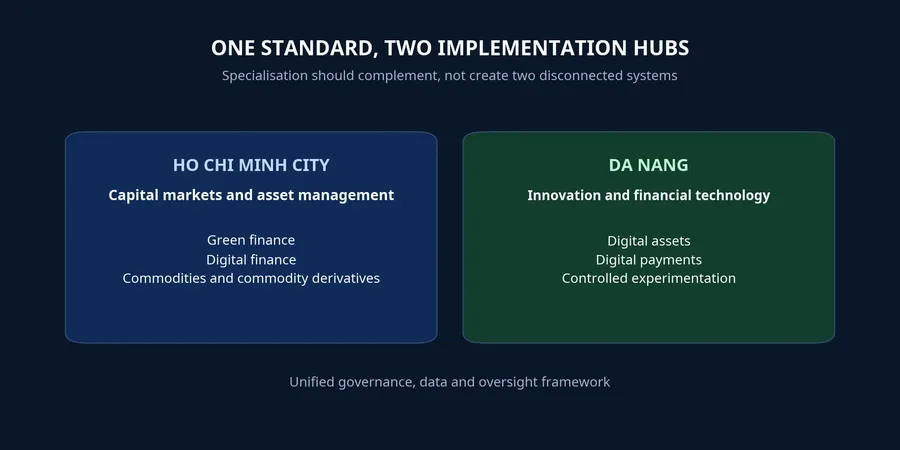
The division of labour has value only if supervision, data and coordination are consistent. A model tested in Da Nang becomes more meaningful when there is a clear path to scale it, protect participants and connect it to market infrastructure in Ho Chi Minh City. Conversely, different standards at the two hubs could raise compliance costs and create supervisory gaps. The plan sets the shared principle; later implementing rules will determine how far it works in practice.
Read the ranking target for what it is
By 2035, Vietnam aims to place among the world's top 75 financial centres, the top 25 in Asia-Pacific and third in ASEAN under the Global Financial Centres Index or an equivalent international index. “Aims” identifies a planning target, not a current position or an assured outcome. Keeping that distinction prevents a long-term destination from being presented as an immediate achievement.Báo Chính phủ
Nor should a future ranking become the only measure of progress. A stronger position on a table carries limited value for investors if few products are operating, international market participants are scarce or operating information is opaque. Conversely, credible dispute resolution, clear data disclosure and effective supervision can create value before a ranking fully reflects it. The broader picture is that institutional capacity may be slower to build, but it determines how durable capital inflows can be.
What investors can monitor through 2030
The first signal is implementing rules and time-bound assignments. The decision assigns the Executive Council a unified directing and coordinating role, with operating bodies in both locations and relevant ministries and local authorities working together. Specific responsibilities, deadlines and procedures would mark the move from a framework plan to work that can be checked against delivery.Government Portal
The second signal is licensed products with public operating rules. Investors should be able to see who may participate, which assets may trade, where money and assets are held, who supervises the activity and how complaints are handled. A product announcement, memorandum of understanding or pilot programme cannot substitute for that information.
The next signal is market participation and operating data. A list of banks, investment funds, intermediaries or technology firms is only a beginning. More informative measures are active status, funds raised, transaction volumes, processed applications and supervisory reports released over time. Those indicators distinguish commitment from operating capacity.
Finally, dispute resolution and connectivity between the two locations deserve close attention. They rarely produce the largest headlines, yet they directly shape market trust. Only when applicable rules, data, custody, settlement and dispute handling work consistently can the “one standard” principle protect participants in a meaningful way.
The plan's central thesis is not that Vietnam now has an international financial market with every new product ready to use. It is a commitment to build the foundation for gradual expansion. Through 2030, the appropriate test is therefore issued rules, working infrastructure, licensed products and verifiable operating data. The 2035 target remains important, but these signals will show whether the roadmap is becoming real market capacity.