
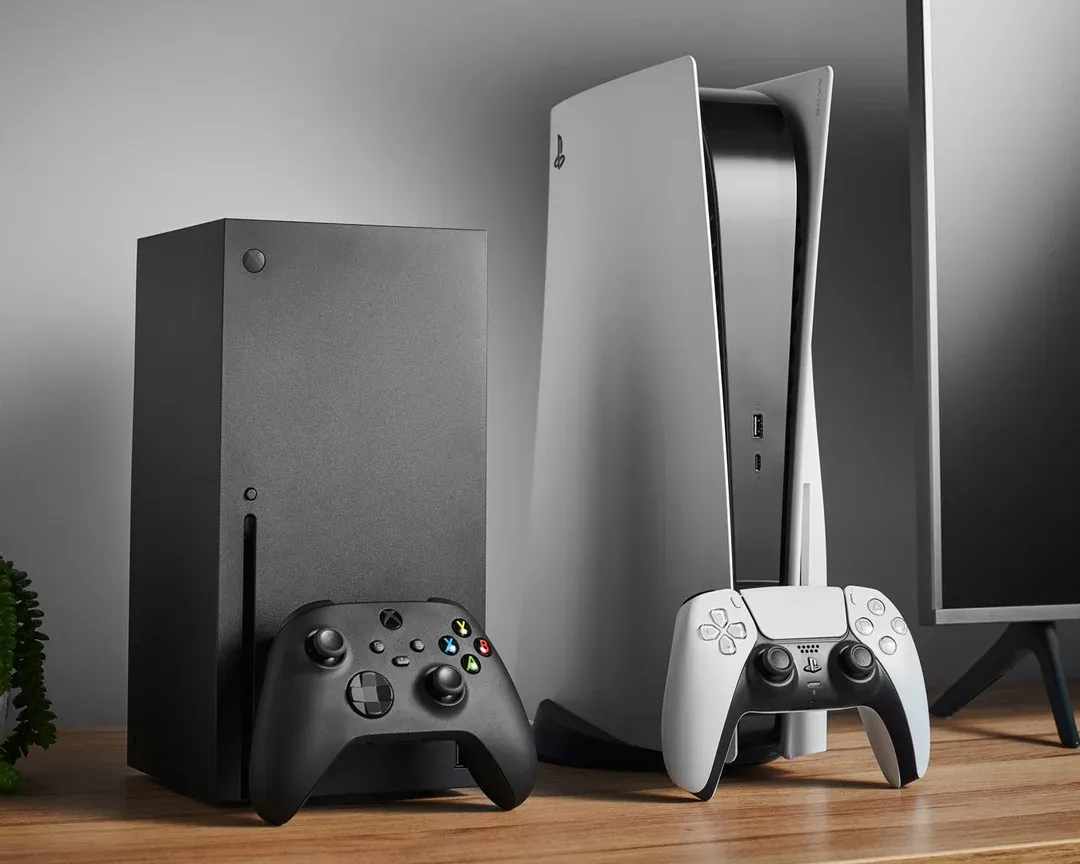

Sony plans to stop producing discs for new PlayStation games from January 2028. For a brand long associated with shelves of game discs, that headline makes it tempting to conclude that GameStop is losing its foundation. The numbers point somewhere else. GameStop is becoming less a video-game retailer and more a business built around hardware, collectibles and, now, a major capital-allocation decision involving eBay.Tom's Hardware
The thesis is straightforward: the gradual disappearance of new game discs is a real pressure, but it has moved to the edge of the GameStop story. The more consequential risk is whether collectibles can become a durable profit engine and whether the eBay investment creates value rather than replacing one retail challenge with another capital bet.
Sony narrows new-disc supply, not the whole physical market
Sony's decision needs to be kept in scope. It applies to newly released PlayStation games from 2028; it is not an order to pull every existing disc from the market. Consoles, controllers, accessories, already released games and the resale market still have room to operate. GameStop also serves several platforms, so a format change by one manufacturer does not close every gaming-related revenue stream.Tom's Hardware
That distinction matters because GameStop's software category is broader than new PlayStation discs. It includes discs, cartridges and download codes, so total software revenue cannot be used as a proxy for dependence on one future disc line. GameStop Corp. (GME) Chairman and Chief Executive Officer Ryan Cohen has a basis for saying the shift does not directly hit the entire business. Still, “not direct” is not the same as irrelevant: fewer new physical launches mean fewer attachment sales and one less reason for customers to visit a store.
The numbers show a store selling different goods
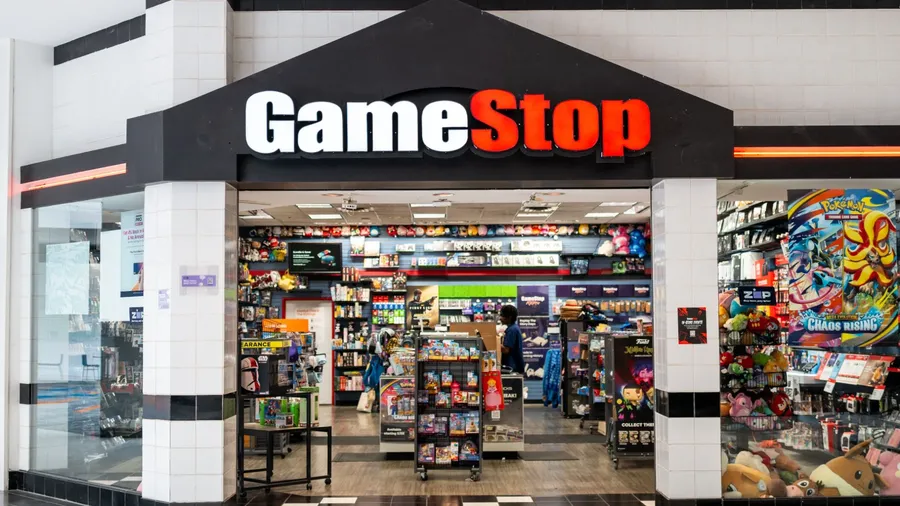
In fiscal 2025, hardware and accessories remained GameStop's largest revenue line at USD 1.84 billion, or 50.7% of net sales. Collectibles generated USD 1.06 billion, or 29.2%, while software was USD 729.3 million, or 20.1%. This is a very different structure from the “disc store” shorthand that many investors still attach to GME.Tom's Hardware
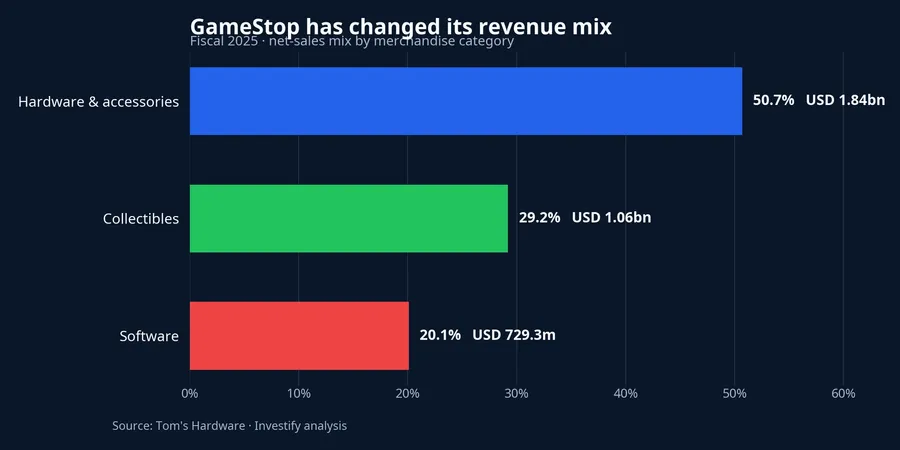
The change between categories is more informative than the static mix. Collectibles revenue rose 47% year on year, while software fell 27% and hardware and accessories declined 12%. Those moves support the view that GameStop has found demand beyond discs. They also remind investors that hardware, despite being the biggest category, remains exposed to console cycles and consumer spending.Tom's Hardware
Cohen's comment that software is now less than 12% of the business and collectibles are more than half goes further than the full-year disclosed mix. The cited reporting still puts software at 20.1% and collectibles at 29.2%. He may be referring to a more recent period or a different denominator, but the public does not have enough detail to reconcile the figures. The prudent reading is to accept the direction of the shift without letting an interview replace the financial statements.Tom's Hardware
Collectibles have appeal, but not the same revenue profile
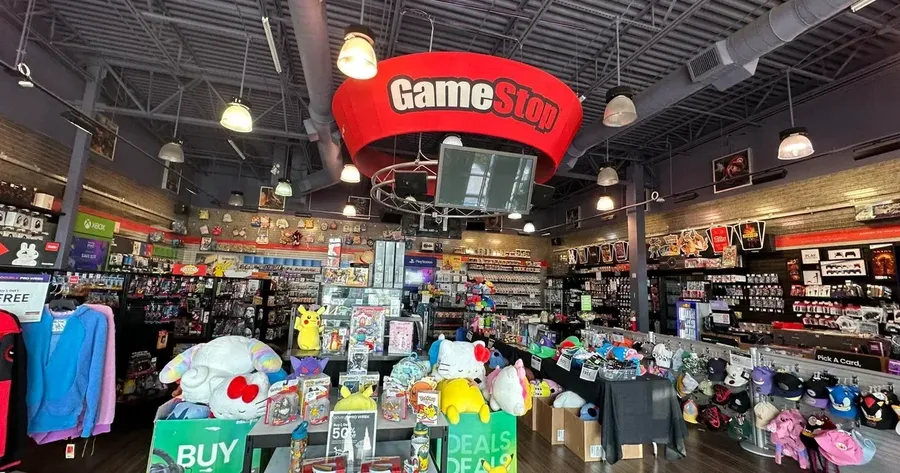
A collectibles-led model has an obvious advantage: trading cards, figures, apparel and pop-culture merchandise do not depend entirely on one game's launch calendar. They also fit a physical store's strengths, where customers can inspect products, trade items and build confidence in quality. The 47% growth in the category indicates that GameStop has reached genuine demand rather than simply relabeling old inventory.Tom's Hardware
But trend-led revenue has a different risk structure. A card set or collectible line can sell quickly when its franchise is popular, then slow as consumer attention moves on. Revenue growth alone therefore does not prove the model's quality. Investors need to watch inventory turns, gross margin and markdowns in future filings. Those metrics help distinguish recurring demand from simply moving more stock into a short-lived craze.
Software deserves a fair comparison as well. Its decline is not solely a consequence of digital downloads; console generations, product availability and publisher control over distribution may also matter. Likewise, rising collectibles sales do not prove that they alone saved the model. The evidence shows both trends occurring together, while accurately assigning the contribution of each driver requires more data on margin and inventory.
The bigger test is the eBay investment
The eBay situation takes the GME analysis beyond the shop floor. Retail Dive reports that GameStop owns more than 43 million eBay shares, or 9.8%, including USD 381 million of additional purchases and shares settled from option structures. The company made a USD 56 billion offer for eBay in May, and eBay rejected it.Retail Dive
There is some strategic logic. Cohen has argued that GameStop's store network could serve as authentication, pickup and support points for an online marketplace, especially for collectibles where authenticity matters. If that model generates profitable transactions, stores could become part of the infrastructure for a secondary market rather than just outlets for new products. That would be an extension that fits the current collectibles category.Retail Dive
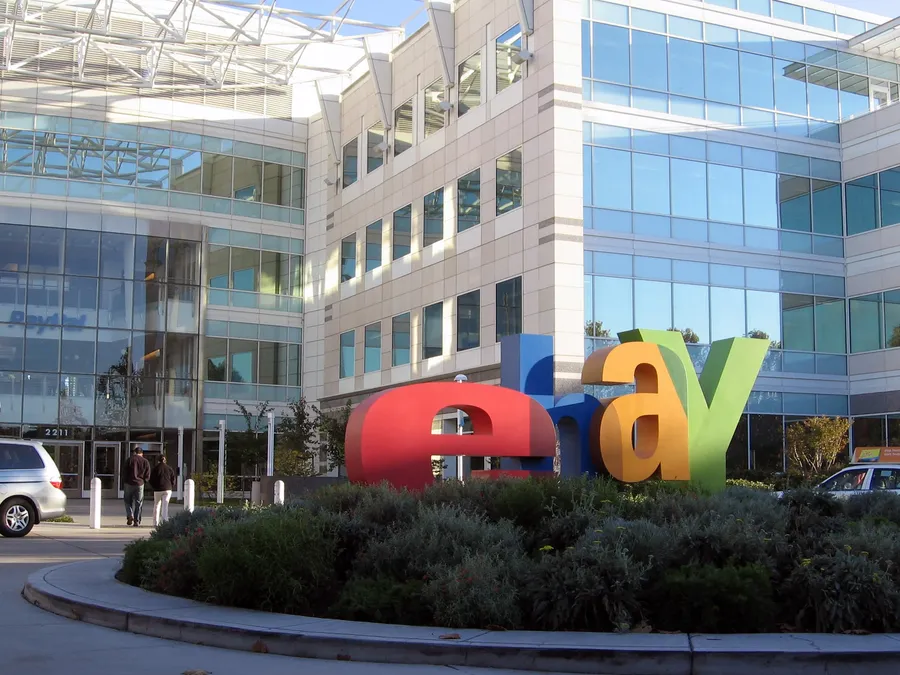
Yet a near-10% ownership position and a USD 56 billion acquisition ambition also change the risk profile. Shareholders are no longer assessing only store operations; they must assess management's capital allocation, deal negotiation and financial discipline. eBay's rejection means this is not a decided transaction. The eventual outcome could be a partnership, continued share ownership, a renewed pursuit of a deal, or no transaction at all.Retail Dive
That distinction matters for how the company should be read. A retailer's operating improvement is normally tested through same-store demand, merchandising, inventory and margin. A large strategic stake introduces a second scorecard: the price paid, the potential control premium, the financing required and the opportunity cost of capital that could otherwise support the core business. None of those outcomes can be inferred simply from the fact that GameStop owns the shares. The stake may create strategic leverage, but it may also make results more sensitive to a business the company does not control.
The proposed link between stores and eBay is therefore a hypothesis, not an established earnings stream. Authentication and collection points could make sense for used collectibles, where trust and convenience are valuable. But the available reporting does not quantify the future transaction volume, economics or costs of that network. Until those details are disclosed, it is more accurate to view the idea as a possible use for the store base than as proof that the base has been successfully reinvented.
Conclusion: the GME story has a new center
The core conclusion is not that GameStop is immune to digitization. Software remains part of its revenue mix, and shrinking supply of new discs will remain a long-term pressure. But the available figures show that discs are no longer the decisive variable. The central questions are whether collectibles can deliver stable profits through multiple demand cycles and whether capital tied to eBay strengthens that model or distracts from it.
In coming reports, three signals deserve to be read together: the collectibles share of revenue, that category's margin, and any substantive development in the relationship with eBay. If collectibles continue to grow with healthy margins and capital is deployed with discipline, GameStop's transformation will have a firmer foundation. If sales rise only on trend-sensitive inventory while attention shifts to a difficult deal, GME's risk will sit inside the replacement model the company is building.