
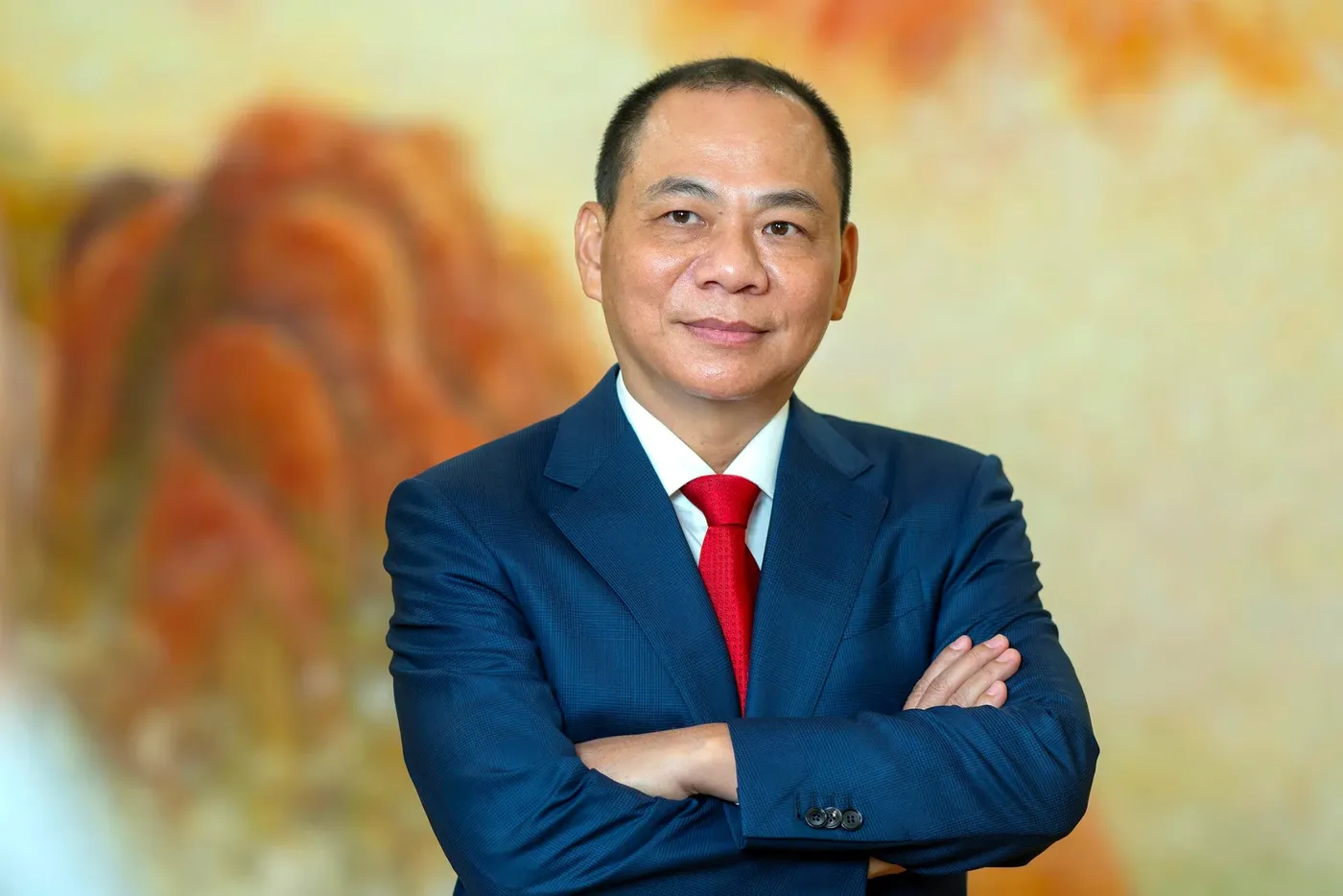

On Saturday morning, September 12, while Vietnam's stock exchange was closed for the weekend, VinFast and GSM both put out leadership announcements within hours of each other. The global CEO seat at VinFast moved from Pham Nhat Vuong, Chairman of Vingroup (VIC), to Pham Nhat Quan Anh; the global CEO seat at GSM went to Pham Nhat Minh Hoang, born in 2000. No press conference, no handover ceremony, just two statements and two portraits supplied by Vingroup.Dan Tri
The new CEOs' ages are the detail most likely to grab attention, but the more important question is quieter: what actually changed hands, and what just changed the name on the business card?
The reshuffle, and the part that should worry investors more than age
Quan Anh, born 1993, had already been Chairman of VinFast Global since May 2026; after September 12 he also became Global CEO, on top of holding Chairman and CEO of VinFast Vietnam.Dan Tri At GSM, Nguyen Quoc Tuan moved up from Global CEO to Global Chairman, replacing Pham Thu Huong, Vice Chairwoman of Vingroup, who had only taken the GSM chair on March 4, 2026.VnExpress Minh Hoang picked up both the Global CEO seat and the CEO seat at GSM Vietnam.Thanh Nien
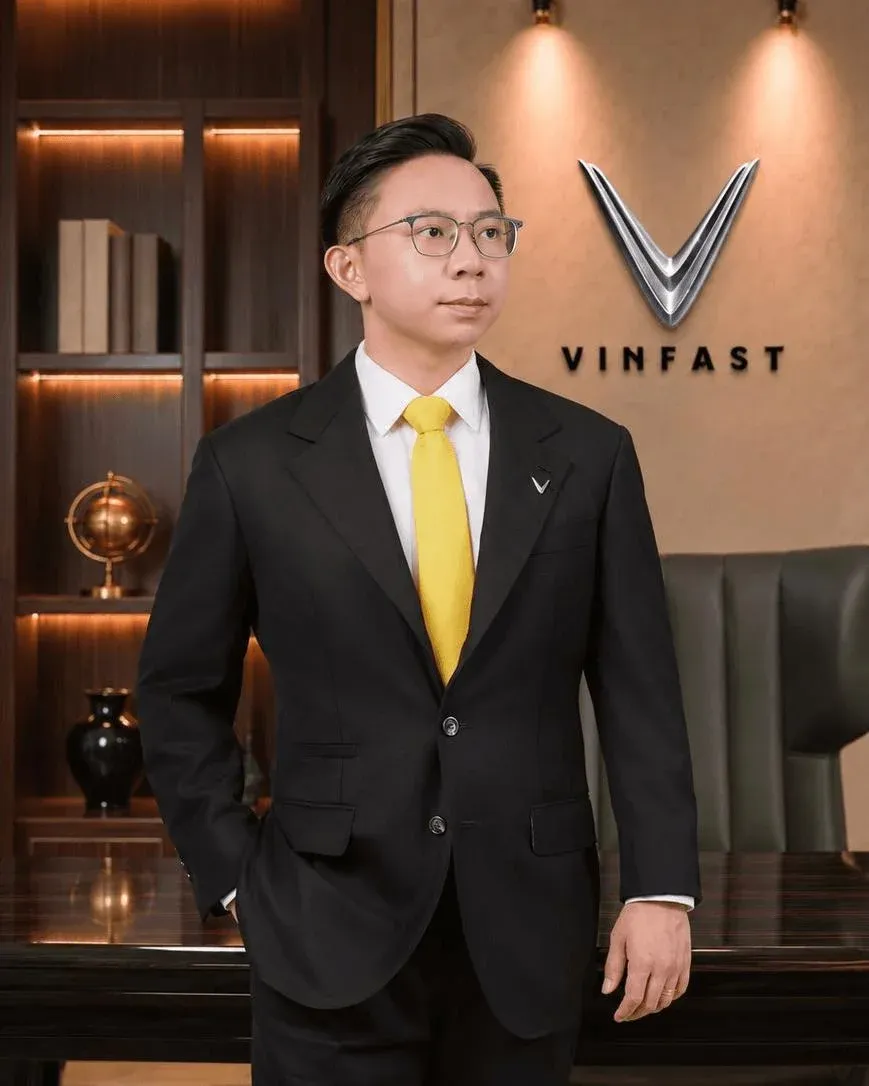
What matters more than age is the structure: Quan Anh now holds Global Chairman and Global CEO simultaneously, plus Chairman and CEO of the Vietnam entity of the same company. That means one person running the operation while also heading the body meant to oversee it. This is exactly the setup institutional investors always flag, regardless of how well that person performs, because the checks-and-balances between board and management effectively disappear once both chairs belong to one individual.
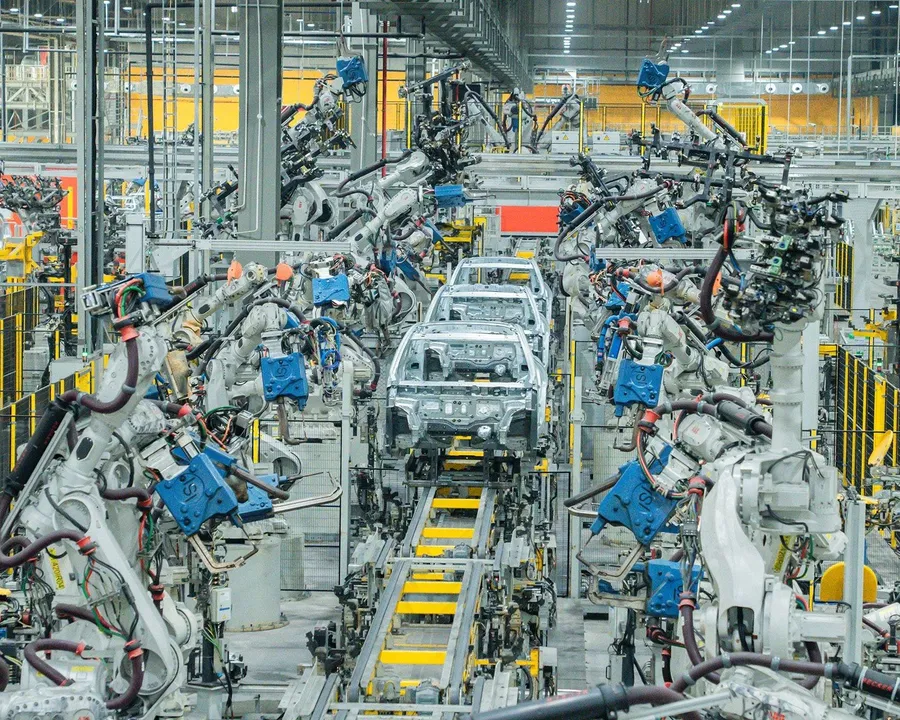
VinFast sells in 16 countries and manufactures at 4 plants across Vietnam, Indonesia and India; GSM operates in 7 countries and plans to launch in at least 3 more this year.CafeF These are not small-company seats changing hands.
What didn't move with the chair: the personal wallet
Vuong stepped away from the executive seat, but his most important role at VinFast was never a title. It was a pledge to fund up to VND 50,000 billion of non-refundable personal capital into the company. As of the end of Q2 2026, VND 40,500 billion had been disbursed, roughly 81% of the commitment.Nguoi Quan Sat
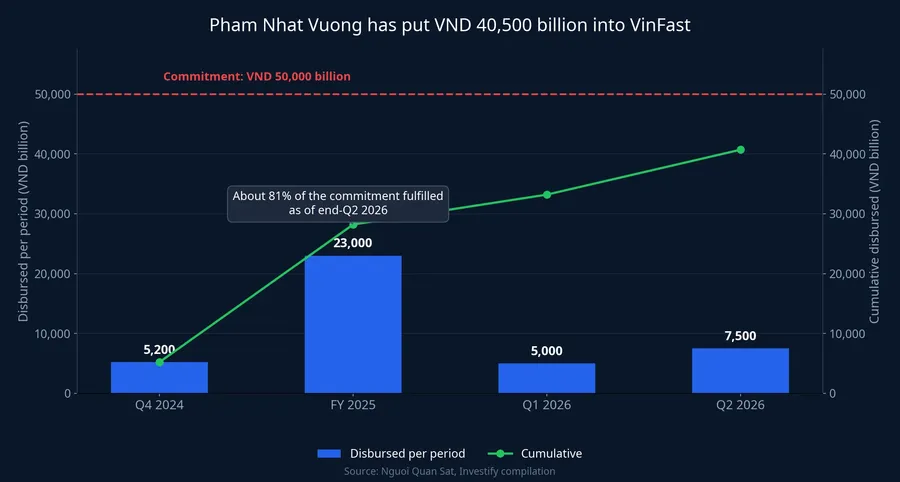
That figure is worth reading alongside the liquidity picture. As of March 31, 2026, VinFast's total available liquidity stood at roughly VND 65,202 billion, and part of that stack is the remaining balance of Vuong's own commitment.Nguoi Quan Sat Put plainly, part of VinFast's ability to pay its bills still rests on one person's promise, not on cash flow the company generates itself. In the second half of 2026, VinFast could still receive up to roughly VND 32,200 billion more from Vuong and Vingroup combined.Nguoi Quan Sat
The man who just handed over two executive seats also drew zero salary from Vingroup in the first half of 2026.Tuoi Tre His real leverage over this ecosystem was never routed through a paycheck, so it was never routed through a CEO title either. The seat changed hands. The party actually footing the bill did not.
Two succession résumés, two very different starting points
Quan Anh joined Vinpearl in 2015, moved to VinFast in February 2019 as senior assistant to the CEO, then rotated through sales, marketing, global after-sales and manufacturing before becoming VinFast Vice Chairman in June 2021.MarketTimes Seven years accumulated inside the company he's about to run is a real track record, hard to argue with.
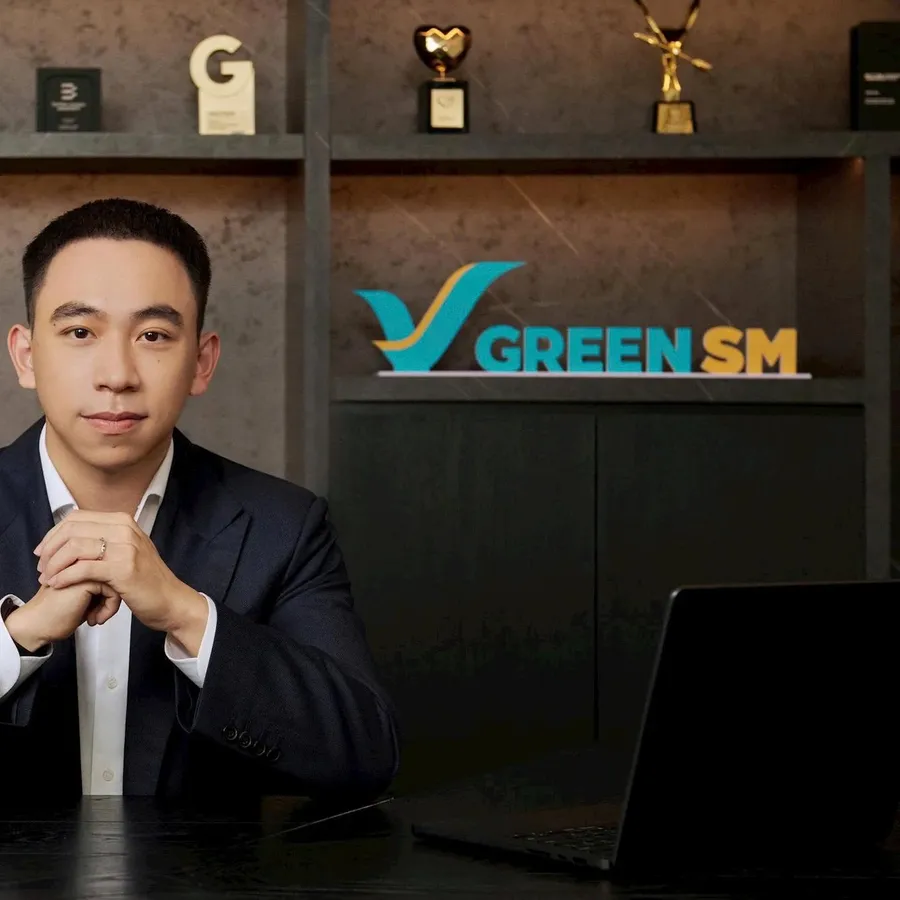
Minh Hoang's path looks different. He started at VinFast in 2021 as Product Strategy Director, then Marketing Director; from July 2024 he ran Green Future, a car-rental company that grabbed the top market position just five months after launch; from June 2026 he served as Deputy CEO of Global Operations at GSM.MarketTimes He took the Global CEO seat after exactly three months as deputy, versus seven years of accumulation for Quan Anh. This isn't a comment on ability. It's a comment on an untested runway.
Three Asian dynasties that already paid for this exact mistake
Three family-controlled conglomerates in Asia show the gap between a succession that's institutionalized and one that stops at a press release. At Reliance Industries, Mukesh Ambani, Chairman and CEO of Reliance Industries, put three of his children on the board as non-executive members starting August 2023, with no fixed salary, only meeting fees and profit-linked commissions; the youngest wasn't promoted to an executive role with a formal salary until June 2025.TechCrunch The runway was public, and it was measured in years, not in a single announcement.
At Samsung, Lee Jae-yong, Executive Chairman of Samsung Electronics, and the Lee family had to pay roughly KRW 12 trillion in inheritance tax over 5 years because Korea's rate reaches 60% on controlling stakes in listed companies, and chose to borrow and use dividends to cover it rather than sell core shares; even so, cross-shareholding structures at Korea's family conglomerates still trade at a discount, a phenomenon known as the Korea Discount.CafeFVietstock Tata went the opposite way: Tata Trusts controls 66% of Tata Sons, but an unclear succession mechanism let disputes over the chairmanship's term and IPO plans escalate to the point the Indian government had to step in.MarketTimes The common thread: markets don't price in the successor's name. They price in how clear the oversight mechanism is.
Why now, and who benefits
The simplest read is a natural-timeline family succession. But the evidence points more strongly to a different one: this is groundwork for international capital. GSM completed a charter-capital raise above VND 50,000 billion in the first half of 2026 and is preparing an IPO in Hong Kong, targeted for 2027, at a valuation around USD 20 billion.Nguoi Quan Sat The September 12 statement itself named the goal of turning GSM into a public company listed on an international exchange, and a foreign offering needs to prove its management stands independently of the founder's name before filing, not after.
A third reading also holds up: Vuong is putting his time into newer bets like rail, energy and satellites, so he's letting go of the wheel in a business that already runs smoothly. These three readings aren't mutually exclusive, but the evidence leans harder toward the capital-raising rationale, simply because it comes with a concrete date while the other two don't.
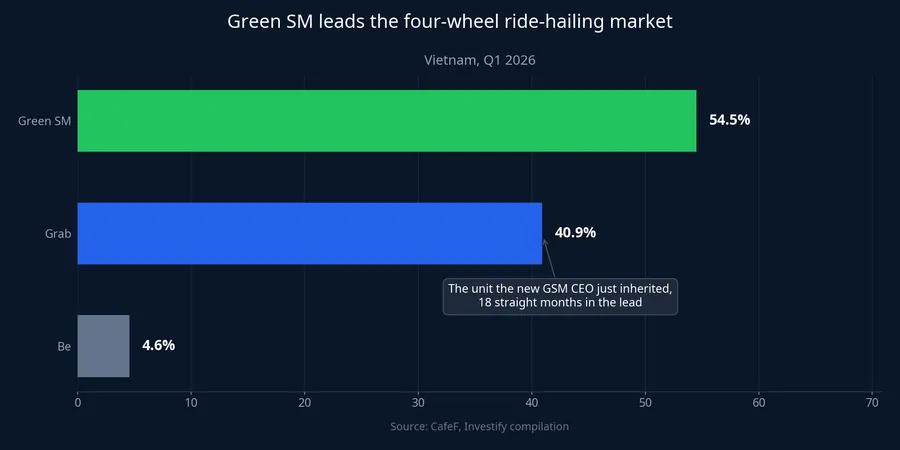
The business underneath is not weak, and that's worth saying plainly to avoid confusion. In Q2 2026, VinFast delivered 70,085 electric vehicles globally, up 96% year over yearNguoi Quan Sat, while Green SM held 54.51% of Vietnam's four-wheel ride-hailing market in Q1 2026, an 18-month winning streak.CafeF
Vingroup posted consolidated after-tax profit of VND 20,375 billion for the first half of 2026.MarketTimes The risk this piece is raising isn't a growth risk. It's a control-mechanism risk that persists while that growth still leans partly on one individual.
Where domestic investors should actually watch
VinFast and GSM aren't listed in Vietnam, so domestic retail investors' only access point remains VIC, with a market cap of roughly VND 1.87 quadrillion as of the September 11 session.
For a family transition like this, the standard institutional read is three lines in the financial statements, not a biography. One, the personal funding disbursement rate: the VND 50,000 billion commitment is roughly 81% used as of end-Q2 2026, so the Q3 report will show whether the rest keeps flowing or VinFast starts standing on its own cash flow. Two, related-party transactions, the most direct signal of conflicts of interest between parent, subsidiaries and the family running them. Three, board composition and the share of independent directors at the entities that just changed hands, especially where one individual holds both the chair and the executive seat.
The nearest date with an answer is the Q3 2026 financial report, due late October. If personal funding disbursement slows while delivery volumes hold Q2's pace, this transition has a real business underneath it. If the funding keeps flowing steadily while the vehicle segment's gross margin still hasn't improved, then what actually changed hands is just the chair, and the structural risk behind it remains exactly where it was.