
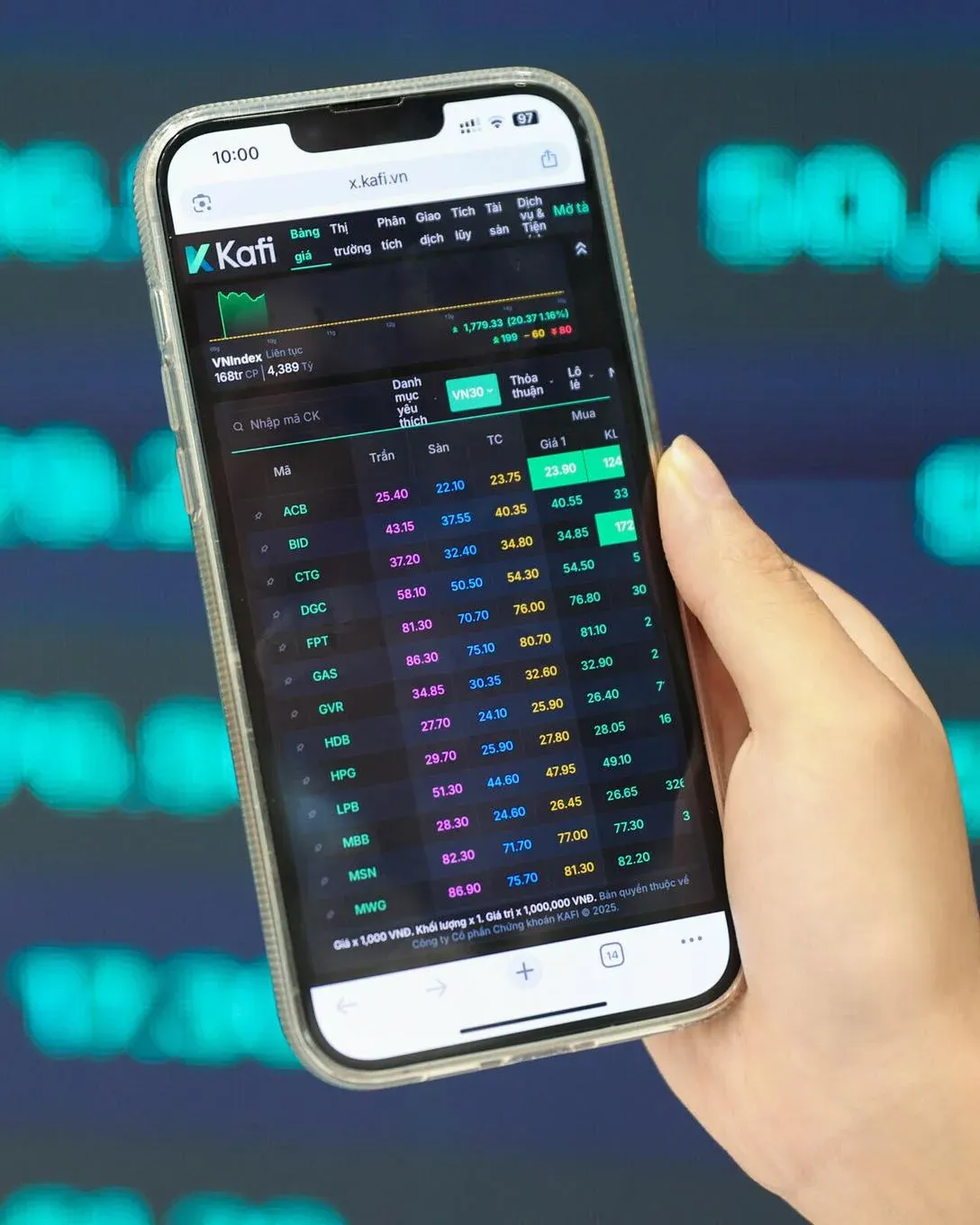

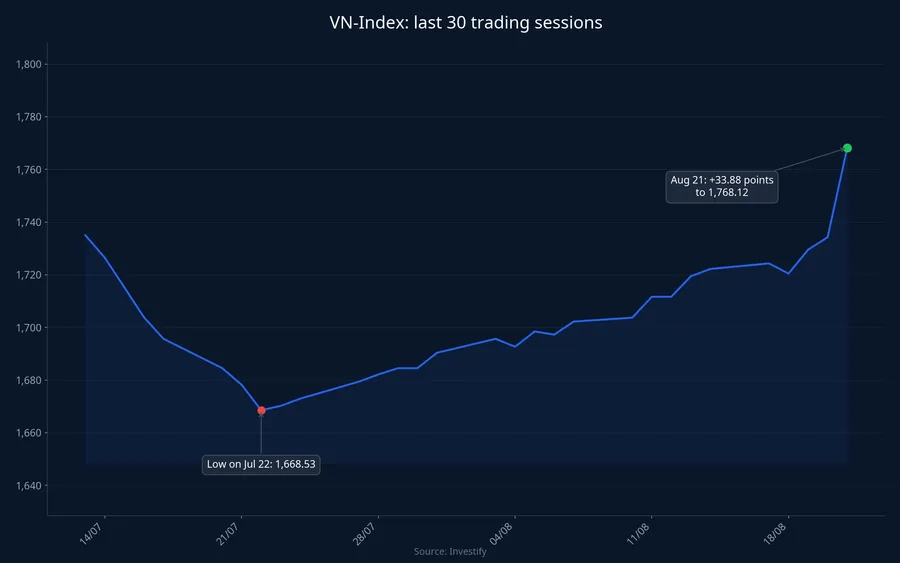
On August 21, 2026, the VN-Index closed at 1,768.12, up 33.88 points, or 1.95%. Across the exchange, 278 stocks rose against 72 decliners, with 19 hitting the daily ceiling and 2 hitting the floor. Scan the board and one pattern jumps out immediately: nearly every stock leading the rally belonged to a single group: brokerage firms.
On HoSE, five tickers closed exactly at the ceiling: SSI at VND 20,750 (+6.96%), VND at VND 16,900 (+6.96%), VCI at VND 22,100 (+6.76%), VIX at VND 13,500 (+6.72%), and ORS at VND 14,550 (+6.99%). HCM rose 4.78% to VND 26,300. On HNX, SHS climbed 8.16% to VND 15,900 and MBS gained 7.10% to VND 18,100.
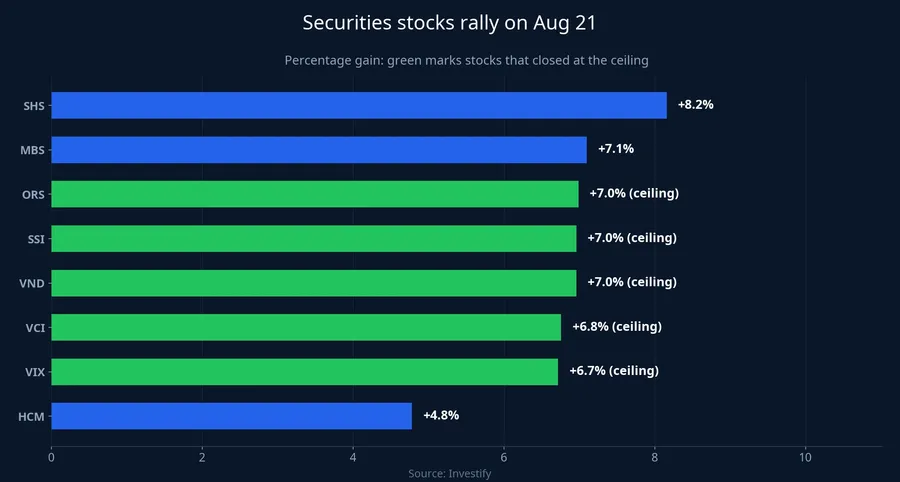
Here's what makes this notable: just one session earlier, on August 20, Financial Services was the worst-performing sector on the market, down 0.86%. An investor reading only that sector headline would reasonably conclude money was fleeing brokerage stocks. That conclusion would be wrong. Sector indices are cap-weighted, so they don't reflect what most stocks in the group actually did.
Ranking last doesn't mean the group got sold
The -0.86% print on August 20 was enough to put Financial Services at the bottom of the sector table. But look at the underlying breadth: within that 45-stock group, 18 stocks rose, only 9 fell, and 18 closed unchanged. Gainers outnumbered losers two to one.
Two distinctions matter here. First, "worst-performing sector" is a ranking, not a magnitude. On August 20, the VN-Index itself barely moved: up just 7.55 points, or 0.44%, essentially flat. In a session that quiet, a sub-1% decline is enough to land a sector at the bottom of the table. That's normal noise, not a sell-off.
Second, sector indices are cap-weighted. A handful of the heaviest names in the group falling is enough to drag the whole sector line into red, even while most of the underlying stocks stay green. The sector table gives investors a single number; what actually moves their portfolio is the specific ticker they hold. The two can diverge, and August 20 is a clean example.
What flipped on August 21 was volume, not just price
Looking at price alone, August 21 was simply a strong day for brokerage stocks. Looking at matched volume tells a different story: this was the session where real new money actually showed up, not just a price pop on thin trading.
SSI matched 38.71 million shares, 3.1x the prior session and the highest in the last 25 sessions. VND matched 20.53 million shares, up 3.5x. SHS matched 23.53 million shares, up 5.1x, and MBS traded 4.6x its prior volume. Among smaller-cap names, the jumps were even steeper: CTS traded 6.1x, BSI 6.8x, and FTS 5.6x. ORS was the most extreme case, matching 12.15 million shares versus just 976,100 the session before — more than 12x — though it's worth noting August 20 was itself an unusually thin session for the stock.
The rally spread to smaller names outside the top tier too. FTS gained 6.73%, CTS 6.88%, BSI 5.96%, and AGR 4.31%. The VNFin sector index rose 2.42%, with 42 gainers against just 2 decliners. That's an unusually high degree of synchronization, a signal this wasn't a story about a few speculative tickers but a move across the entire sector.
Why money picked this particular sector
A brokerage firm's profit comes mainly from trading commissions and margin lending interest. Both scale directly with market trading volume. In other words, a broker's revenue is essentially a proxy for exchange liquidity. When investors believe more money is about to flow into the market, brokerage stocks become the most direct way to bet on that belief, even before the actual flows show up in a quarterly earnings report.
The catalyst landed on the morning of August 21 itself, when FTSE Russell published its official list of Vietnamese stocks entering its global index, a milestone the market had been anticipating for weeks.Tin nhanh chứng khoán Vietnam was upgraded to Secondary Emerging Market status, effective September 21, 2026.The Investor
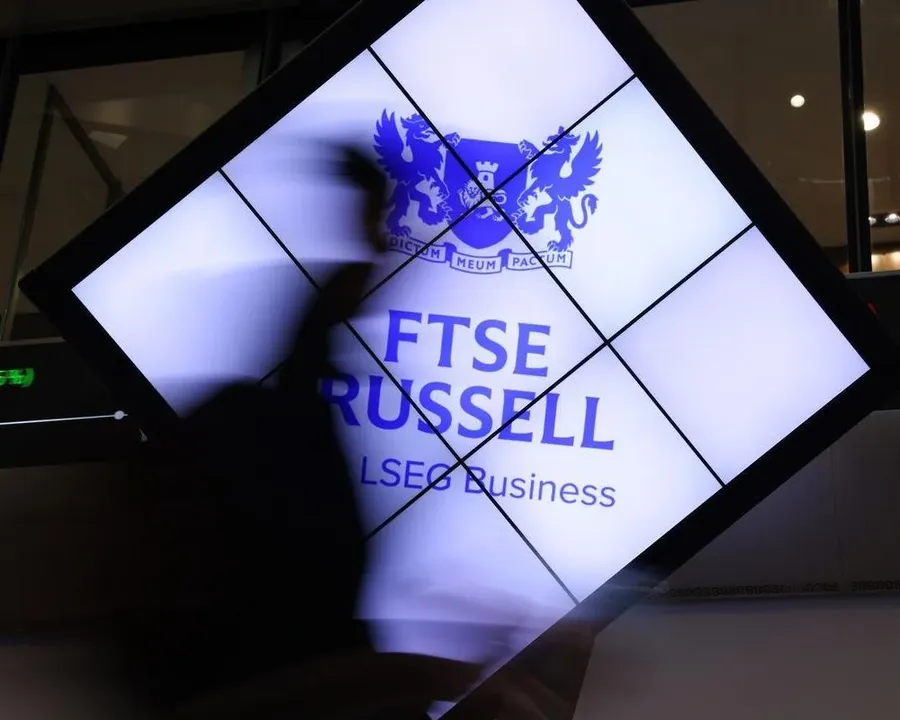
But crediting the entire rally to a single headline is an incomplete read. At least three forces were at work in this session. The first is the FTSE news itself, visible in the fact that brokerage gains clustered right around the ceiling threshold and volume spiked exactly during the announcement session.
The second is a broad-based market rally. VN30 rose 2.16% and the HNX-Index rose 1.98%, with breadth heavily tilted toward buyers. Brokerage stocks are inherently more volatile than the broader market, so on a day when the whole market rallies broadly, this sector tends to sit at the top of the gainers table almost by default. Part of that 7% move came from that structural trait, not purely from the news.
The third is that the price base had fallen quite far beforehand. The VN-Index had dropped as low as 1,668.53 on July 22 before gradually recovering, leaving liquidity-sensitive stocks like brokerages with more room to snap back once sentiment improved. The data leans toward the first force as the trigger, with the other two acting as amplifiers. The way to tell them apart is synchronization: the whole market rose, but only the brokerage sector had five stocks locked at the ceiling simultaneously.
Reading the scale of the move correctly
One detail is easy to misread: the biggest percentage gainer isn't necessarily the biggest point contributor. SSI rose nearly 7% but added only 1.78 points to the VN-Index, while ACB, up just 3.64%, contributed 2.63 points. In total, six HoSE-listed brokerage stocks contributed about 5.95 points, roughly 17.6% of the index's 33.88-point gain. The sector's total market cap is far smaller than the banking sector's, so even a large price swing translates into only a modest points contribution.
In other words, brokerage stocks were where price moved fastest during the session, but large-cap names still decided most of the index's point gain. An investor scanning the top-gainers table and one scanning the points-contribution table would come away with two different stories about the same trading day.
Signals to watch before the August 24 session
Liquidity is the variable that determines whether this rally has legs. HoSE matched value on August 21 came in at roughly VND 15,487 billion, about 14% above the prior 20-session average of VND 13,592 billion. That's a genuine improvement, but not yet an explosive one.
The second thing to keep in mind concerns foreign inflows: Vietnamese stocks will be added to the FTSE basket over four tranches through September 2027, with the first tranche covering only about 10% of the weighting and estimated passive inflows of around USD 1.5 billion.Tạp chí Kinh tế Tài chính Money will arrive in stages, not all at once. Much of the expectation is already priced in, and the actual inflows will land considerably slower than the price move seen on August 21.
For investors weighing this sector, the sensible frame is to treat brokerage stocks as a direct bet on exchange liquidity, not a defensive holding. This group rallies faster than the market when money flows in, and falls faster when money flows out. After a near-7% single-session pop, the risk per unit of capital is meaningfully higher than it was for this same sector just a week ago.
Two numbers worth watching heading into the August 24 session: whether HoSE matched value holds above roughly VND 15,000 billion or slides back toward the VND 13,000 billion range that has been the past month's average, and whether brokerage-sector volume holds at its new level or contracts back toward pre-August-21 levels. If liquidity doesn't hold, this rally is more likely a one-off reaction to news than the start of a sustained trend.