
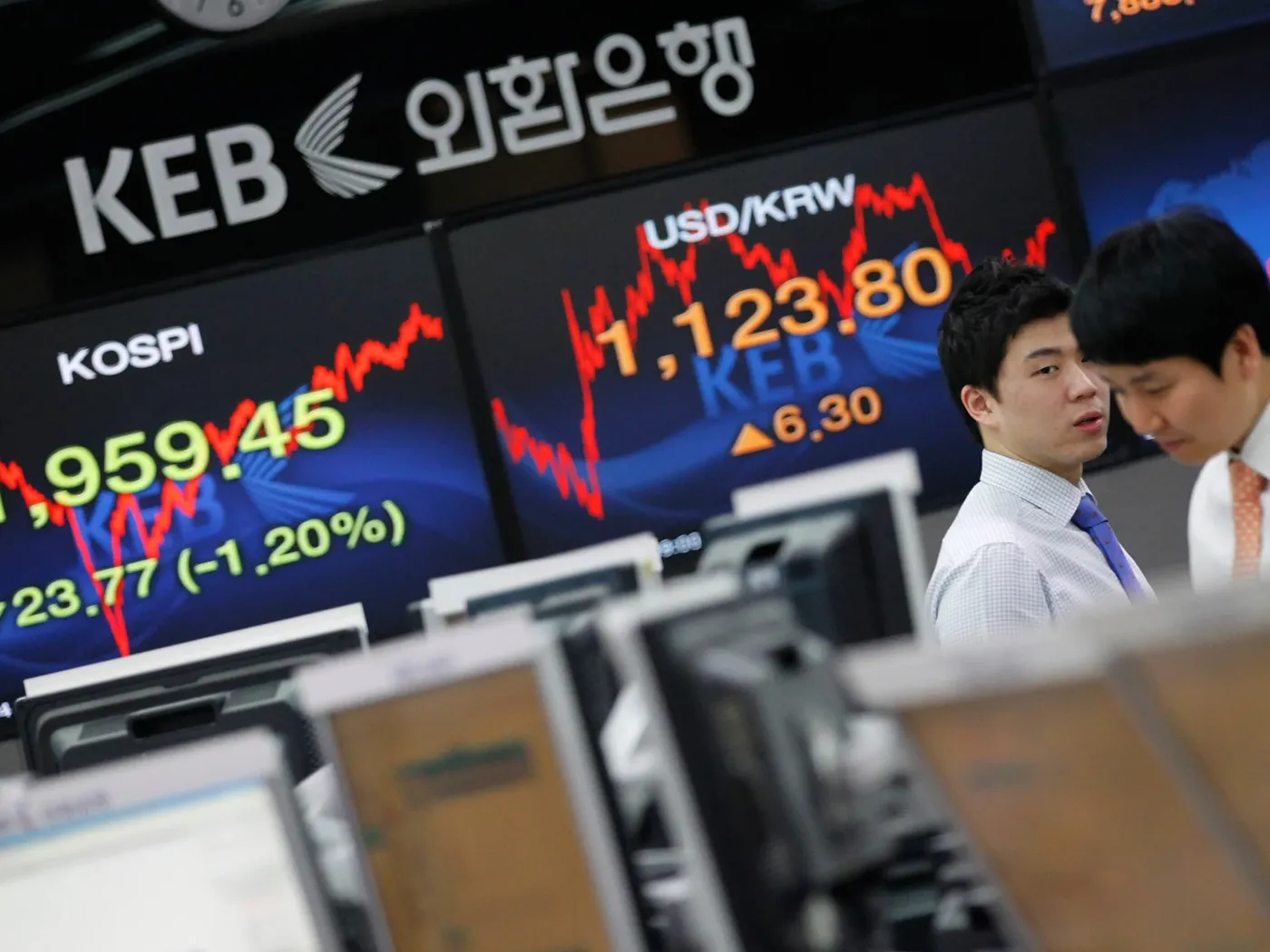

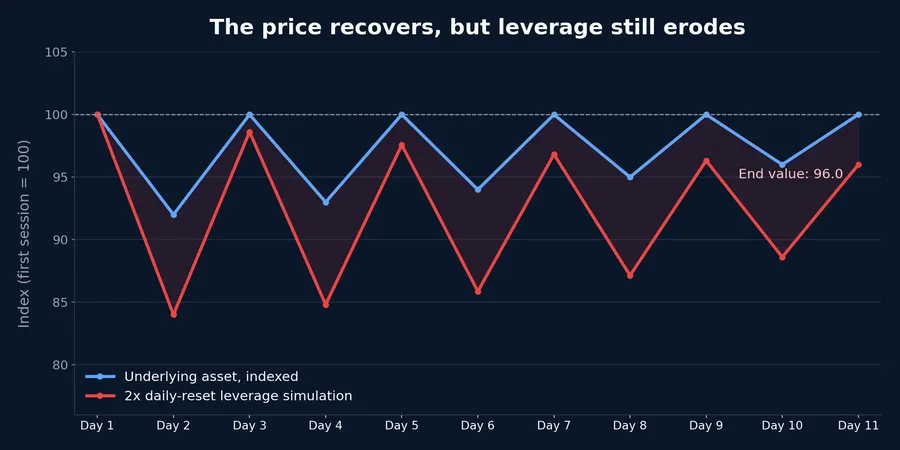
KOSPI gained 8.9% in one week and stood at 6,813.34 points when checked on August 14. That is a striking enough move to make a market recovery feel complete. Yet over one month, the index was still down 0.6%. Those two measurements tell different stories, and that distinction is where new investors should slow down.
Put simply, an index is a snapshot of a basket of shares at one moment. Each investor’s account is a film: when they bought, which stocks they own, whether they borrowed on margin, and whether they were forced to sell during the decline. A sharp rebound in the market is therefore not a certificate that every loss has disappeared. The central point here is that for a concentrated or leveraged portfolio, the route prices take often matters more than the index’s final reading.
One index, many portfolio paths
KOSPI represents the Korean equity market. It is not a model portfolio for every investor. Someone holding only semiconductor shares has a different risk profile from someone spread across several industries. Someone who bought after a rally starts from a different place from someone who built a position earlier. Two accounts can both be described as invested in Korea and still have sharply different outcomes.
This is easy to miss when a headline gives only the index’s percentage change. An 8.9% gain is calculated from a short-term low in the index; it says nothing about each investor’s entry price. When a portfolio has already fallen, the subsequent return is earned on a smaller capital base. A 20% loss needs a 25% gain to break even, while a 50% loss needs a 100% gain.
That is not a semantic trick with percentages. It is why a green trading screen can bring relief to one investor while another remains below their cost basis. The more useful question is how today’s price compares with one’s own entry price, rather than whether the market is green or red today. The index provides context; cost basis and portfolio construction determine the lived result.
Why a leveraged ETF does not double long-term returns
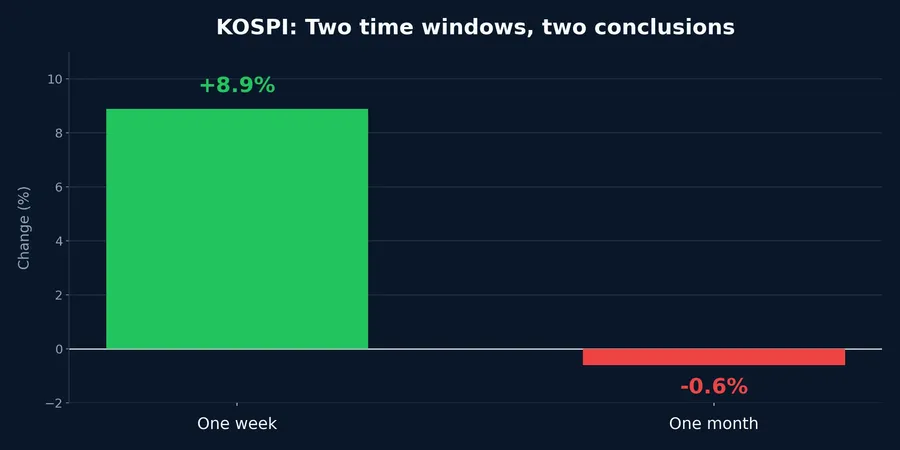
Leveraged ETFs are generally designed to amplify the movement of an underlying asset for a single trading day. That target resets after each day. It is not a promise that a month’s result will be exactly two or three times the index return. The technical detail matters because it directly shapes what a buyer should expect. Holding a 2x ETF for several days is not the same as borrowing money and holding twice as much of a share over the same period.
Imagine an asset that falls 8% and then rises roughly 8.7% to return to its starting point. The underlying asset ends almost unchanged. A 2x leveraged simulation, however, loses 16% on the first day; the next day’s gain is calculated from the reduced balance. The ending value remains below the start even though the blue line returns to 100.
This is often described as volatility drag. It does not require a panic sell-off. Repeated reversals are enough. The larger the swings and the longer the holding period, the more easily the gap widens between the intuitive expectation of “double” and the actual result. A 2x label describes a daily objective, not a guaranteed return ratio for every time horizon.
Margin and leveraged ETFs both magnify price moves, but their risks arise differently. Margin creates an obligation to the broker and can lead to a margin call when collateral falls in value. If the investor cannot add cash or eligible assets as requested, the position may be sold. With a leveraged ETF, the central issue is the daily reset and the compounding effect of alternating sessions.
The distinction prevents a flawed conclusion: that every large loss must have been caused by margin borrowing. A concentrated portfolio of volatile shares can fall heavily without borrowed money. Conversely, margin can turn an otherwise manageable decline into a forced reduction of a position at an unfavourable moment. Naming the mechanism correctly is the first step toward managing the risk correctly.
More tickers do not automatically diversify risk
An investor may hold Samsung Electronics, SK Hynix, and an ETF tied to the chip industry, then feel diversified because the account contains several lines. Those holdings can still rest on the same expectations about artificial-intelligence demand, the memory cycle, and semiconductor valuations. When the shared assumption is revised, several securities can move together. That is thematic concentration, not merely single-stock risk.
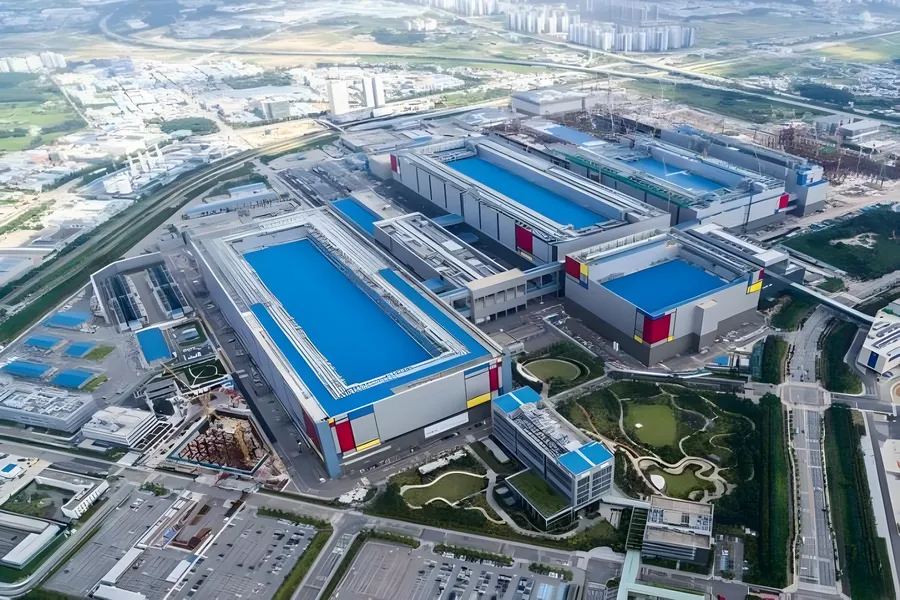
It would be too strong to claim that one factor explains every move in KOSPI. Expectations for artificial-intelligence spending, semiconductor valuations, profit-taking, and international capital flows can all influence the market at the same time. Leverage can amplify a direction already under way, but it is not necessarily the spark that started it. What matters for investors is recognizing positions that depend on the same assumption.
A simple test is to remove company names from the portfolio and replace them with the main source of risk. If most answers read “the chip cycle” or “artificial-intelligence expectations,” the portfolio may be more concentrated than it first appears. That exercise does not tell anyone to buy or sell. It helps the holder understand what could make several positions decline together.
Money with a deadline should not carry open-ended risk
The most serious risk is sometimes not the loss shown on a screen, but the date when the money is needed. Funds for a home, tuition, emergency spending, or a committed plan have specific deadlines. A share may recover over several quarters, while the owner’s financial goal may not be able to wait that long. The mismatch between the money’s deadline and the recovery horizon is a tangible risk.
Before using margin or buying a leveraged ETF, a new investor can check three things. First, if prices fall further, is there independent cash available to meet a collateral call? Second, is the product designed around a daily or a longer-term objective, and has the mechanism been read in the fund documents? Third, do the holdings genuinely draw their growth from different sources?
Those questions do not forecast whether KOSPI will rise or fall next week. They shift attention from predicting a candle to controlling what an investor can control: position size, concentration, and the date the money will be needed. If any of the answers is unclear, the amount of risk may be larger than the holder has actually measured.
What to watch after a rebound
The conclusion is not that KOSPI’s 8.9% rebound is inherently good or bad. It shows that an index can change state quickly in one week while its one-month return remains negative. For an unleveraged account with a long horizon, that volatility may be an ordinary part of investing. For a concentrated account or one constrained by margin, the same volatility can change whether the position can be held.
The thesis is therefore straightforward: when capital is constrained, the path of prices matters more than the endpoint. A rebound only helps if the investor still has the position, the capital, and the time to live through it. In the sessions ahead, the most relevant signals are volatility in semiconductor shares, concentration within one’s own portfolio, and the margin or ETF terms the holder has accepted. Those facts offer a disciplined way to read a rebound without mistaking a moment of relief for a completed recovery.