
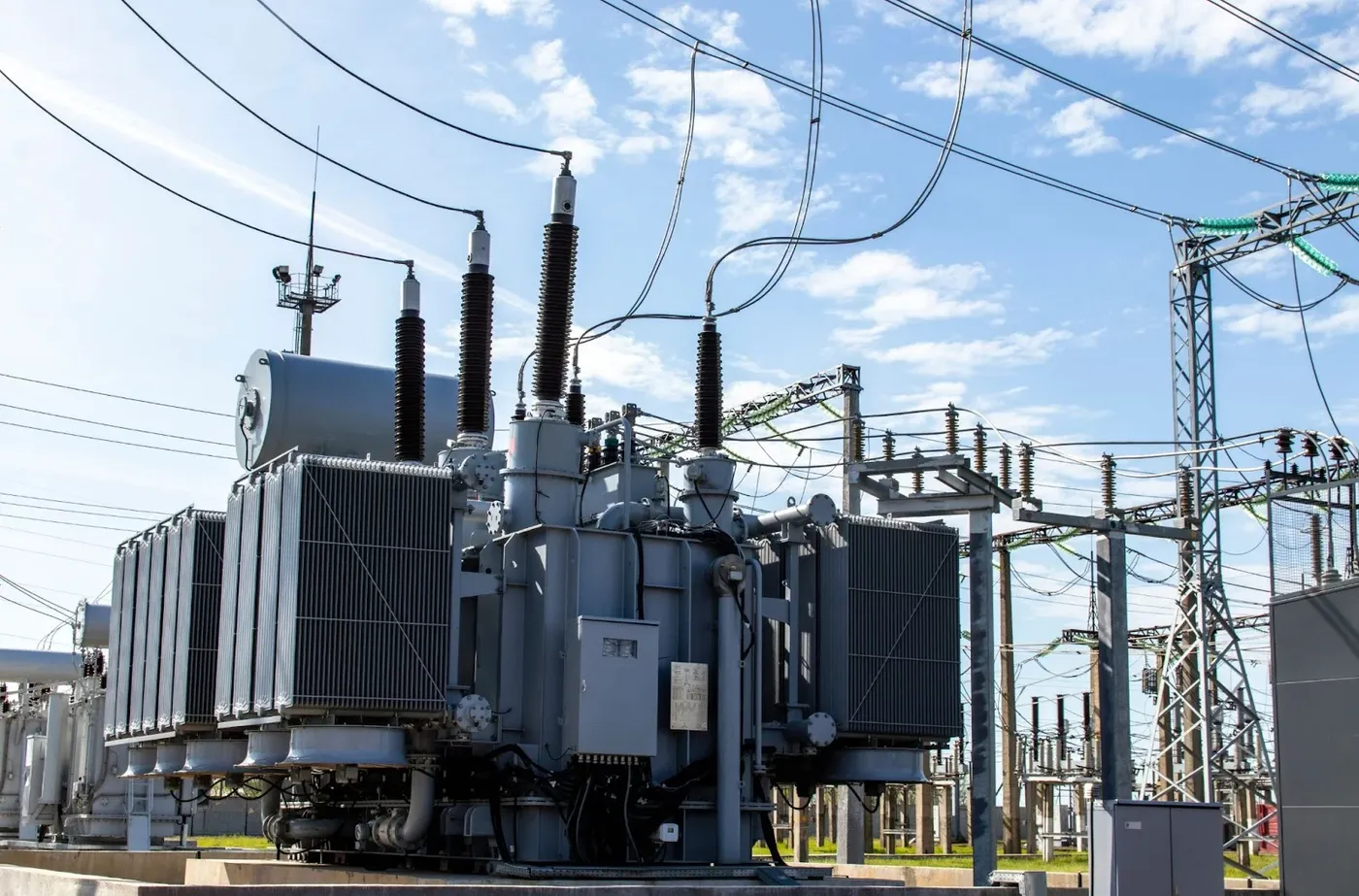

A new transformer station does not automatically create revenue for GEE. Investment demand must become a project; the project must select suppliers; equipment must be manufactured, delivered and accepted. Only then can a company recognise revenue, and cash arrives later when the customer pays. For newer investors, that distinction separates an attractive infrastructure narrative from earnings that have actually been confirmed.
That leads to this article's central thesis: GEE is positioned to benefit from power-sector demand, but the durability of that case can only be established when demand becomes orders, margins and cash collection. This is a more useful framework than trying to attach a single explanation to one trading session.
Grid demand passes through several gates
The broader picture starts with demand. On August 5, Dak Lak province and EVN discussed measures to develop power infrastructure under the adjusted Power Development Plan VIII, including distribution-grid and transmission works to meet rising load.The Investor It is a recent example of infrastructure demand being prepared at the local-project level.
But there is a long distance between a planning discussion and revenue for a manufacturer. A project needs approval and funding; its investor or contractor must choose suppliers; only then does a manufacturer receive an order. Revenue recognition then depends on delivery and acceptance terms. It would therefore be premature to treat every grid-investment plan as revenue already belonging to any particular company.
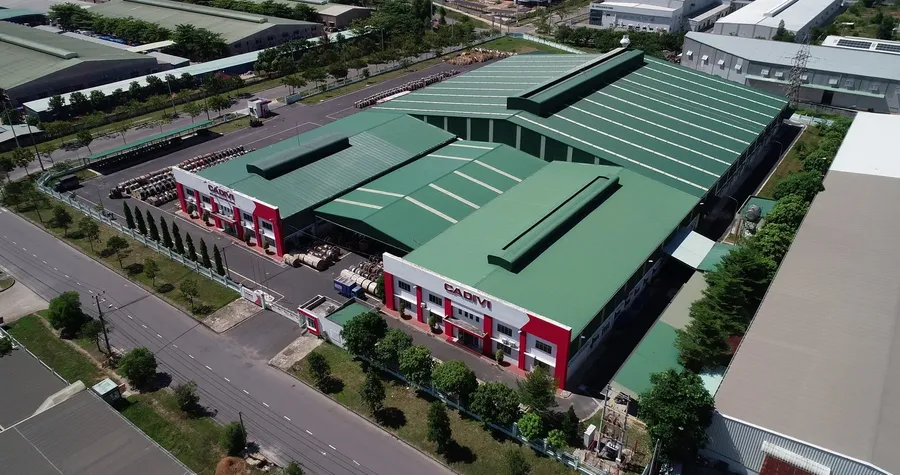
GEE has one meaningful advantage: a broad electrical-equipment ecosystem. Company information identifies businesses and brands spanning CADIVI cables, THIBIDI and MEE transformers, EMIC metering equipment, HEM motors and CFT copper wire.As transmission or distribution projects move forward, these product groups can participate at different technical points in the same value chain.
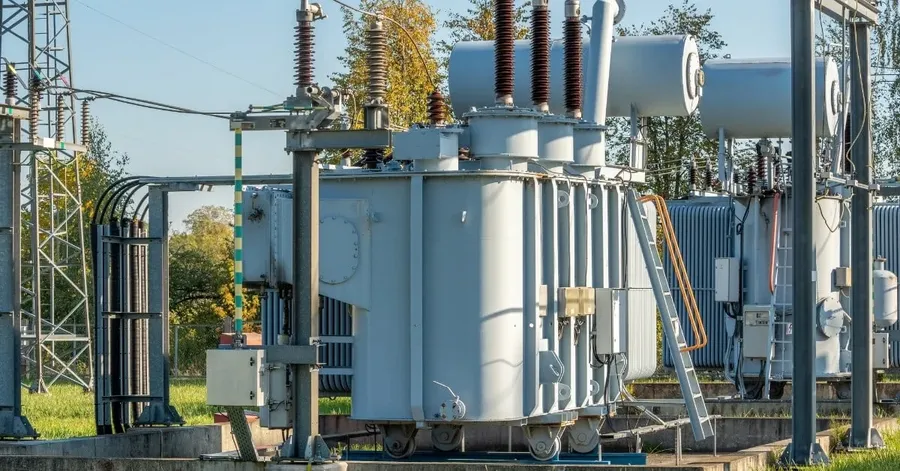
That is product coverage, not proof of a specific contract. Cables may be needed for lines; transformers for substations; meters and measuring equipment for operation; and motors have their own industrial applications. Presence across several links gives GEE more ways to address demand, but contract value, tender outcomes and execution progress still need to be disclosed by the company.
This distinction also keeps the analysis honest. A large addressable market says that a supplier has an opportunity to compete; it does not say that the supplier has won, priced or delivered the work. Investors should resist collapsing those separate steps into a single conclusion just because they all sit under the appealing label of infrastructure spending.
Three confirmations before calling it growth
Think of the process as building a home. The plan is the blueprint; formal implementation is the project; a materials contract is the order; the completed home and payment correspond to revenue and cash. Looking only at the blueprint would be too early to draw conclusions about a materials supplier's profit.
The first confirmation is the order book. Investors should look for GEE disclosures on signed contracts, major customers, backlog or management commentary by business line. A local infrastructure report helps explain the addressable market, but it is not evidence that GEE is taking part in that project. Without that evidence, the accurate label is potential access to demand.
The second confirmation is revenue quality. The profit retained from each unit of revenue can differ materially with product mix, input costs, warranty terms, technical requirements and payment schedules. A large order can lift sales without lifting profitability by the same amount. When fresh results are released, revenue should be read alongside gross profit and pre-tax profit, rather than as a headline on its own.
The third confirmation is conversion into cash. Revenue is recognised under accounting rules, whereas cash flow depends on collecting from customers and paying for materials, production and logistics. A growing manufacturer may need to build inventory ahead of delivery or accept a longer collection cycle. Neither is automatically negative, but both make the balance sheet and cash-flow statement essential reading.
Inventory, receivables and borrowings tell the rest of the story
Put simply, reported profit is like an invoice that qualifies for recognition; cash in the bank tells us whether that invoice has been paid. Receivables represent money still with customers. Inventory represents capital tied up in materials, work in progress or finished goods. Neither should be labelled good or bad from a single number alone; each needs to be read against order execution.
For an electrical-equipment maker, inventory can rise ahead of deliveries, especially where materials and components must be prepared in advance. That can fit an expansion phase if goods are delivered on schedule and receivables are collected. If turnover slows, however, more working capital is tied up while storage costs and the risk of markdowns rise. Without detailed disclosure, it would be speculative to assign a cause to any inventory movement.
Borrowings need the same disciplined reading. Debt can finance materials purchases, keep production moving and bridge the period between delivery and collection. It does not mean money has vanished or that a business is immediately weaker. The concern becomes clearer only if debt rises while operating cash flow fails to improve over several reporting periods, or if interest costs start to erode the remaining profit.
This is why the sequence matters. An order can be encouraging, revenue can confirm execution, and cash conversion can test whether that execution has strengthened the balance sheet. Each stage answers a different question. Treating all of them as the same thing can make a fast-growing business look safer, or more profitable, than the evidence yet supports.
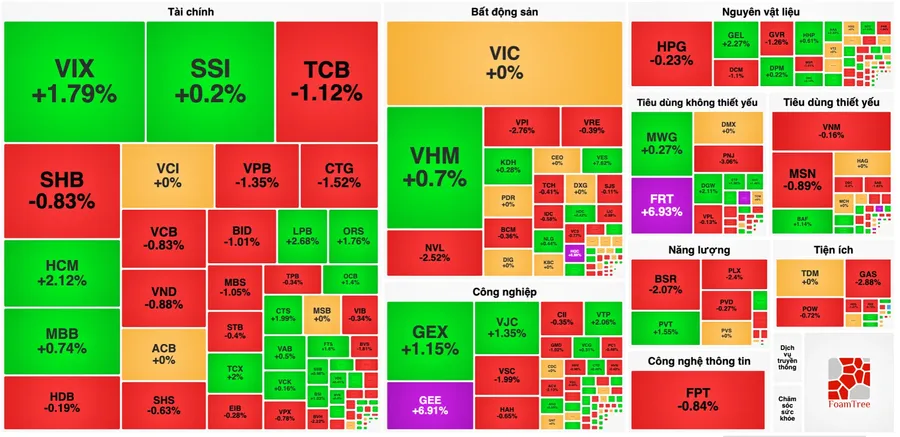
It is also important not to invent a causal link the evidence does not establish. GEE's August 11 gain may reflect interest in the infrastructure theme, but it may also reflect sector flows, trading conditions in the stock or expectations formed earlier. Available evidence is insufficient to assign precise weight to each explanation. Contract announcements and subsequent operating results remain the more reliable test.
How to read GEE's next report
When GEE releases fresh results, readers can check three pairs of signals. First, revenue and margin: is sales growth accompanied by stable or improving gross margin? Second, inventory and delivery execution: is capital tied up in goods turning back into revenue, or continuing to accumulate? Third, profit and operating cash flow: is reported profit gradually converting into cash, or does the company need to rely more heavily on borrowings?
These pairs are not buy-or-sell signals. Their purpose is to separate two ideas that are often bundled together: growing in scale and creating value. A company can expand very quickly while requiring more capital to operate. By contrast, rising revenue alongside stable margins, improving capital turnover and healthier cash flow would offer more substantive confirmation of value creation.
For GEE, the available evidence supports monitoring a company whose product portfolio is closely connected to electricity demand. What is still missing is current, quantitative confirmation on orders, earnings quality and cash flow. The appropriate conclusion is to wait for the next disclosures to answer those questions. A single session can start the market's attention; fulfilled orders and collected cash complete the story.