
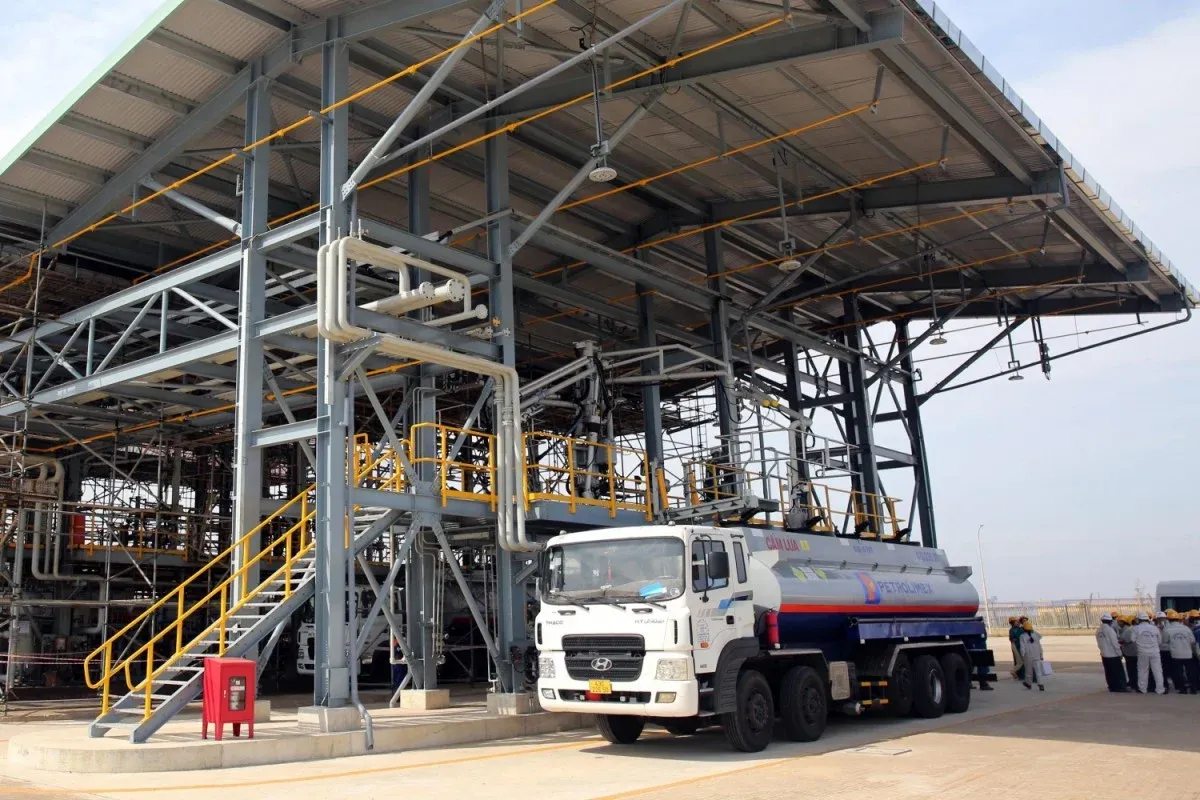

A tanker leaving Dung Quat’s loading terminal means more than a successful production announcement. With its first B5 biodiesel shipment, Binh Son Refining and Petrochemical (BSR) has completed an operating loop with buyers, quality checks and delivery. That deserves recognition because the product has moved beyond an internal trial.
The numbers, however, still describe a first market test. The shipment shows that BSR can deliver B5 to a customer; it does not yet establish recurring demand at scale or reveal the profit earned on each cubic metre. The central conclusion is straightforward: B5 is a growth option under validation, not yet an earnings stream that should be built into expectations for BSR.
A real transaction has been completed
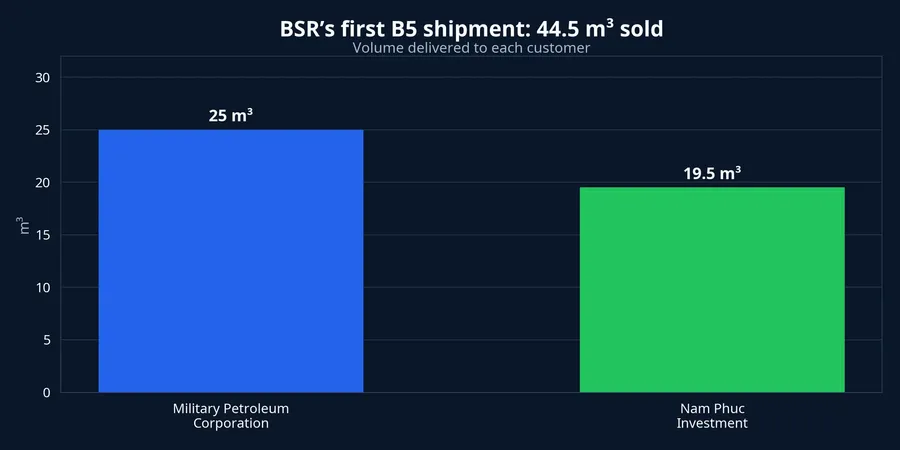
BSR sold 44.5 m³ of B5 biodiesel on August 6. Of that volume, 25 m³ went to the Military Petroleum Corporation and 19.5 m³ to Nam Phuc Investment.Kinh tế Chứng khoán Two buyers do not by themselves establish a market, but they do show that BSR has external offtake rather than merely an in-house sample.
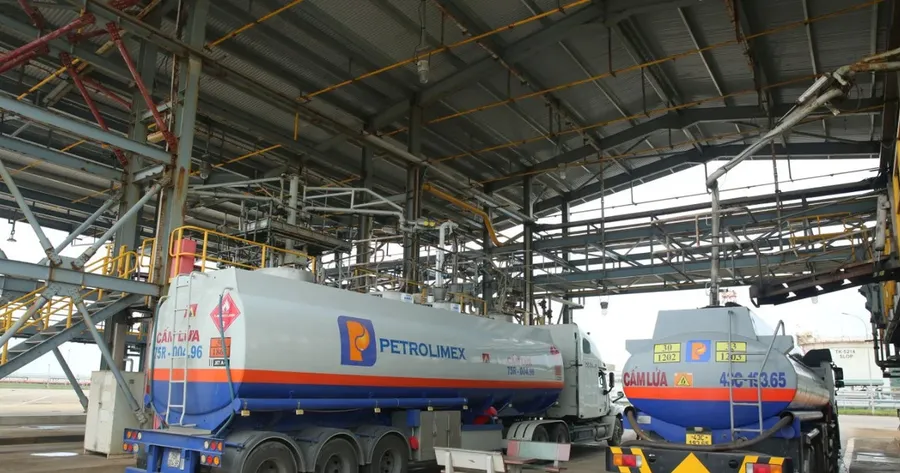
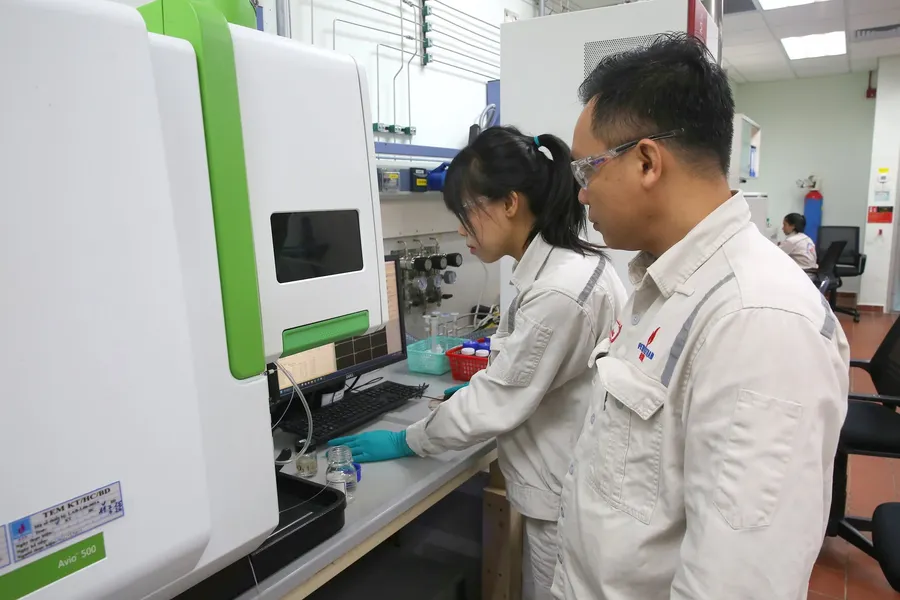
The significance lies in the work behind the delivery. Before shipment, BSR had to blend the biofuel feedstock with mineral diesel, take samples from the storage tank, test quality indicators and complete steps supporting conformity assessment. The B5 met BSR’s TCCS 25:2026/BSR standard, and samples were used for Method 7 assessment before the fuel entered the market.Kinh tế Chứng khoán
In plain terms, BSR has done more than blend B5 in a laboratory. It has connected feedstock, quality control and delivery in a transaction governed by commercial terms. Information from transport, storage and customer feedback should now be more useful than a standalone technical result.
What the first volume says and does not say
The 44.5 m³ figure needs to be read in the context of the feedstock. A partner had supplied 3,000 litres of B100 to BSR for B5 and B10 research. After that work, about 2,250 litres remained, enough to make roughly 43 to 45 m³ of B5; the shipped volume is therefore broadly within the limits of this trial batch.Kinh tế Chứng khoán
That is why the first cargo should not be extrapolated into commercial capacity or future revenue. It shows that the process can run on the B100 available for the experiment. It does not answer where BSR will buy B100 as output rises, how input costs will move, or how it can maintain feedstock inventory.
This distinction is easy for newer investors to miss. A blending line can be ready while production is not. If B100 supply is intermittent or expensive, a proven technical process is still not enough to create a repeatable business.
There is also a difference between making a fuel and supplying it consistently. A commercial customer needs confidence that the next cargo will meet the same specification, arrive when scheduled and remain competitive after storage and handling. Those conditions can be managed closely for a small test lot. They become more demanding when several customers draw from the same supply chain, which is why future volume should be read together with operational disclosures rather than in isolation.
Quality is necessary, not proof of demand
In fuels, a customer may find a product technically acceptable and still not place a second order. The buyer must also compare the total cost of use with conventional diesel: purchase price, delivery terms, storage, consumption and vehicle compatibility. BSR has completed the quality work for the first shipment, but only subsequent purchases will show whether the product proposition is compelling enough.
The link between the sale and durable demand has not yet been causally established. The first two buyers may be assessing the product, meeting a specific supply need, or acting on trial-stage considerations of their own. The useful task is not to guess which motive dominates, but to wait for repeat data that reveal whether the purchasing decision persists.
A stronger signal would be BSR reporting monthly volume, new buyers or the rate at which existing customers return. That would let the market distinguish an opening cargo from demand that can be forecast. Without those data, assigning revenue or earnings contribution to B5 would run ahead of the evidence.
Policy creates a channel, not automatic orders
Circular 50/2025/TT-BCT has been effective since January 1, 2026 and sets a roadmap for blending biofuels with conventional fuels in Vietnam.Công báo Chính phủ Under BSR’s description of that roadmap, B5 and B10 production, blending, trading and use are currently encouraged rather than mandatory.Kinh tế Chứng khoán
The difference between encouragement and a mandate shapes how the opportunity should be valued. A mandatory rule can create baseline demand because distributors or users must switch. An encouragement-based framework only opens a regulatory channel. BSR still has to compete on price, reliable availability and the user experience for each customer.
That framework is meaningful because it permits BSR to take the next commercial steps without waiting for a new rule. It is not, however, a forecast of sales. A buyer’s economics and operating requirements remain the immediate test. For an investor, the practical distinction is between an addressable market that regulation makes possible and revenue that contractual demand has already made visible.
Large fleets and centralized fuel buyers could be appropriate groups for trial use because they can track fuel consumption under real operating conditions. That is an inference from how the product may be used, not information about future BSR contracts. At a larger scale, quality control from the blending tank through delivery will also become a cost and capability that needs to be demonstrated.
Four disclosures that would make B5 measurable
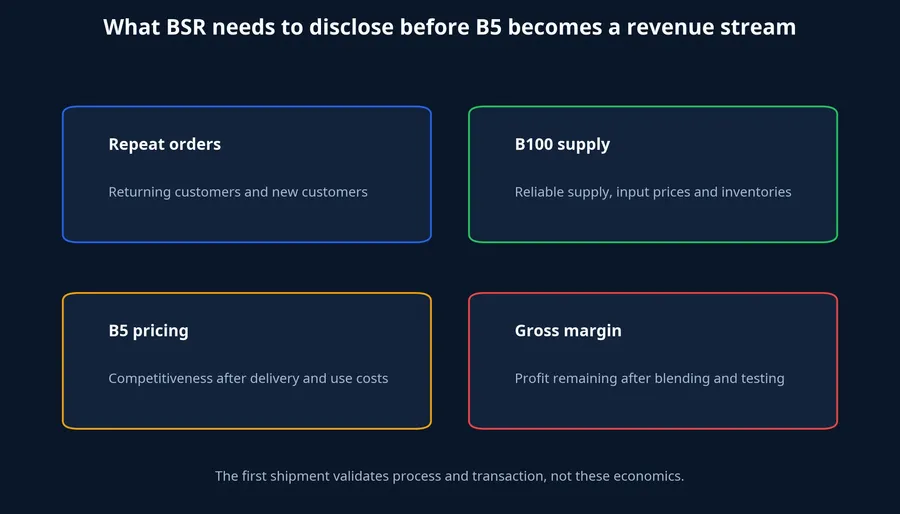
Repeat orders are the first signal. If existing buyers return or the customer base broadens, BSR can begin to argue that offtake is taking shape. Investors should place more weight on monthly volume and ordering frequency than on the total in the inaugural cargo.
B100 supply is the second. A long-term supply arrangement, appropriate inventory and visibility on input costs would show whether BSR can expand output without an excessive cost trade-off. Those elements also underpin a reliable delivery schedule.
B5 pricing and gross margin settle the remaining question. The report on the first cargo did not disclose either. If pricing merely covers B100, blending, testing and logistics, B5 could lift revenue while adding little profit. Only a viable price and enough volume to absorb those costs would make the product a material financial driver.
These four items should be assessed as a chain rather than as separate headlines. Repeat purchases without secure feedstock can constrain growth; secure supply without acceptable pricing can dilute returns. Conversely, a resilient supply arrangement and recurring demand still need disclosed margin to demonstrate value for shareholders. This is why the first delivery is a useful starting observation, but not a basis for a numerical profit forecast.
The appropriate conclusion is therefore conditional but firm. BSR has demonstrated the ability to take B5 from its production line to a real transaction, which is a necessary foundation. The case for B5 as an earnings stream will strengthen only with repeat orders, stable B100 supply, and disclosed pricing and gross margin. Subsequent operating reports and commercial disclosures will show whether this first test can develop into a market of meaningful scale.