
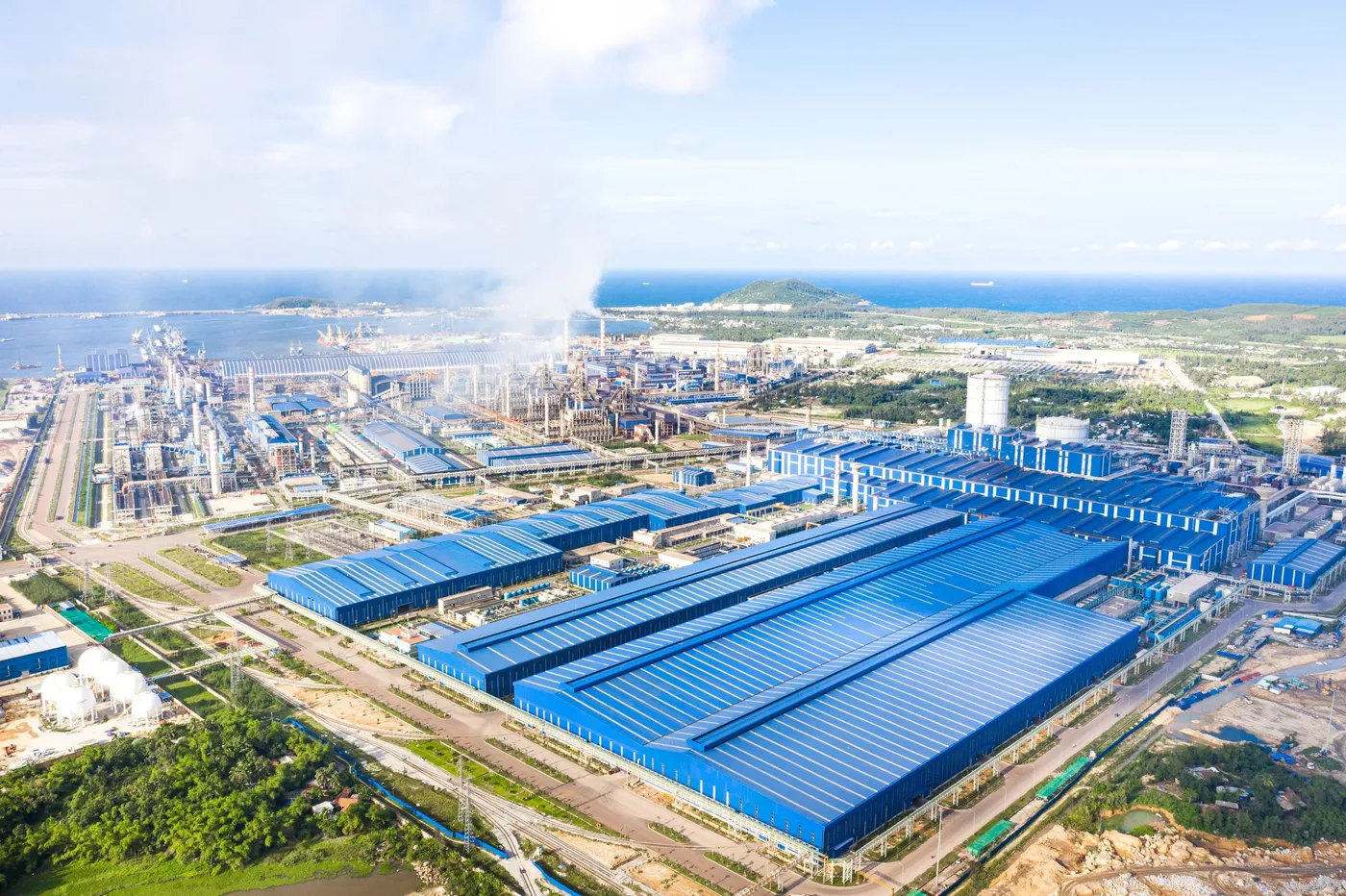

A new plant can look substantial on a site plan and still contribute nothing to reported earnings. That is the right starting point for Hoa Phat's rail and special-steel project in Dung Quat. Railway development may create the possibility of a new market; profit only arrives after a distinct chain of operating and commercial evidence is in place.
The core view is straightforward: HPG's rail plant is a growth option, not yet a verified earnings stream. For now, the meaningful evidence is not the headline size of the project. It is the sequence that would turn a facility into a business: stable operations, identifiable customers, recognised revenue and an acceptable margin.
Two different stories inside one company
An industrial company needs two different scorecards for its existing business and a plant still under development. The first covers products that have been made, delivered and recorded in financial statements. The second covers future capacity: construction work, equipment, technical qualification and markets the company hopes to serve.
Both can matter to an investor assessing a stock, but they cannot simply be added together. Reported profit can be tested against invoices, costs, inventory and cash flow. A new plant, even one with strategic importance, is an assertion about later capacity. Treating both as equally proven risks putting valuation ahead of evidence.
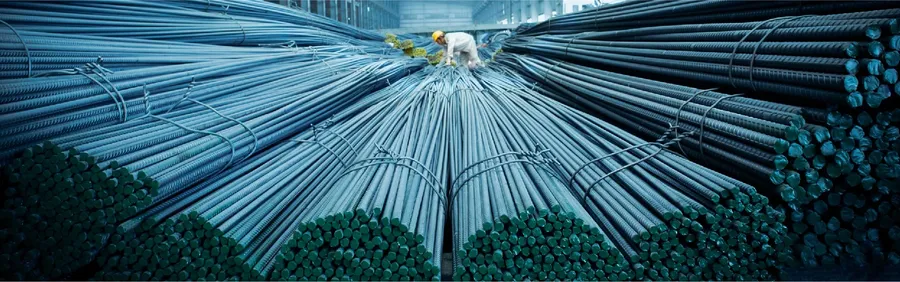
Rail steel makes that distinction particularly important. It is not merely steel in a different shape. Buyers need to assess technical specifications, consistency from one batch to the next, inspection procedures and delivery reliability. A broad national need for railway infrastructure therefore does not automatically become revenue for any particular manufacturer.
A proposal is not operating capacity
On August 9, reporting said Hoa Phat had proposed an expansion of nearly 77 hectares in Quang Ngai, an additional roughly 2 million tonnes of annual capacity and around VND 20,000 billion of expected investment. The company also requested temporary use of 5.3 hectares for materials and equipment staging.Người Quan Sát
The scale is notable. Yet the decisive words are “proposed,” “expected” and “requested.” They describe a stage at which the company is presenting an expansion need, not one in which the capacity has been approved, installed or placed into service. That distinction directly affects execution risk.
Design capacity describes a technical ceiling that a plant may reach under suitable conditions. It does not establish how fully that capacity will be used, who will buy the product, whether price will cover input costs, or how depreciation will affect returns. Skipping those questions turns planned investment into assumed sales and then, too easily, assumed profit.
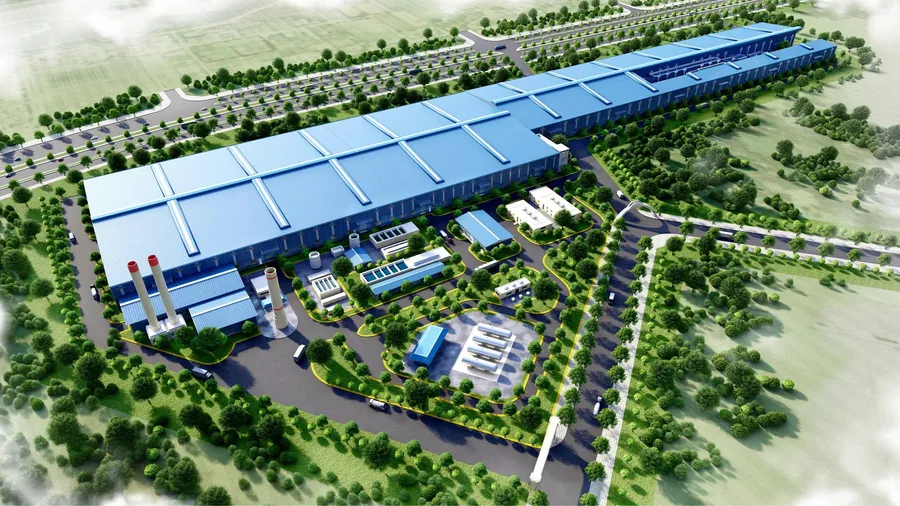
A rendering or planning document is useful evidence that a company has committed resources to a direction. It is not evidence of operating progress. In industrial projects, the distance between completed structures and a commercially qualified production line includes installation, commissioning, calibration, testing and customer acceptance. Any one of those stages can change when commercial revenue begins.
This distinction also disciplines the way investors use project headlines. Land area, planned spending and nameplate capacity are inputs into a future business model, not outputs from one. They may help explain the scale of management's ambition, but they cannot establish cash generation. Until commissioning and sales disclosures arrive, a prudent model should keep the project separate from the earnings base already supported by reported operations.
Demand remains the key question
The August 9 report also said Hoa Phat did not yet have official rail-steel orders.Người Quan Sát That is not evidence that the project lacks a market. It simply draws the necessary line between prospective demand and committed sales.
Prospective demand could arise from infrastructure plans, domestic-content requirements or import substitution. The company must still turn that opportunity into defined customers, technical terms, delivery schedules and pricing mechanisms. Even a preliminary order is not the same thing as a contract with committed volumes and a clear timetable. Those differences determine how much confidence a revenue projection deserves.
It would be premature to claim that the plant will succeed merely because Vietnam needs more railway infrastructure. It would be equally premature to dismiss the opportunity solely because orders have not been announced. A more defensible reading recognises both possibilities: infrastructure can support long-term demand, while the speed at which that demand becomes HPG revenue still depends on standards, customers, project procedures and delivery capability.
Capacity is, in short, the supply side. Orders are where supply meets demand. Only after that meeting is evidenced is it reasonable to discuss revenue and margins.
Four links that test the investment case
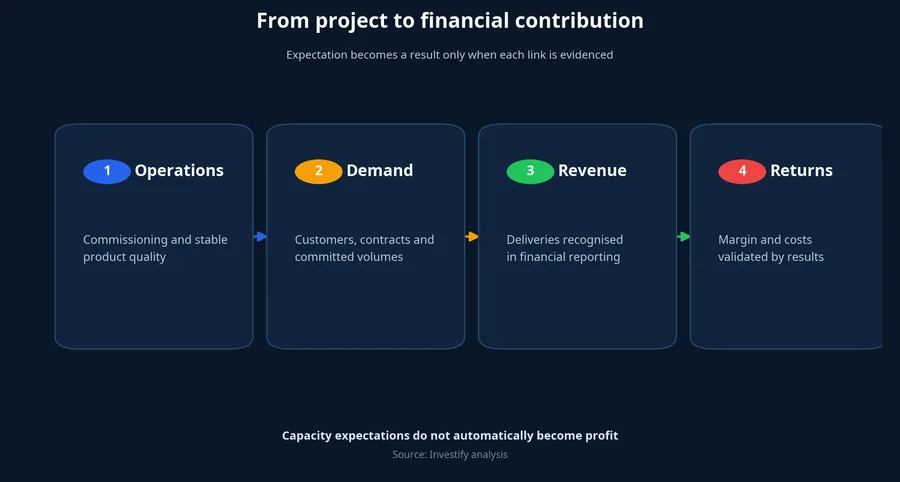
The first link is operations. Investors should look for commissioning progress, product quality and line stability rather than construction milestones alone. Completing physical structures does not mean a product has met commercial requirements. This is where design capability begins to face an operational test.
The second link is demand. Useful signals include named customers, disclosed contracts or at least a verifiable commercial framework. When the information goes no further than infrastructure plans or broad statements of need, it belongs in the supporting context, not in an order book.
The third link is revenue. The company needs to deliver product and recognise sales in its financial statements. That is when a technical possibility becomes a business contribution. Until the new product appears in reported results rather than plans or trials, there is no basis for assigning it a share of revenue.
The final link is returns. Higher revenue alone cannot show how much value a project creates, because raw-material costs, operating expenses, depreciation and working capital can rise at the same time. The relevant reporting evidence will be margin, capital turnover and incremental costs. A larger project is better only if its incremental benefits exceed its incremental capital and operating burden.
Where rail steel belongs in the HPG case
For newer investors, the practical approach is not to force the rail project to answer every question about HPG. The established business has its own scorecard and should be assessed through the latest reported results. The rail project is an additional long-term element because it could open a product category and customer base with different technical requirements.
Keeping the two layers separate also avoids two unhelpful extremes. One is to treat every reference to railway development as if it were already profit. The other is to assume a project has no value because it has not yet produced sales. A project can merit attention well before revenue begins, but the confidence placed in it should rise only as the evidence accumulates.
The thesis is consistent: HPG's rail-steel project is a source of potential growth, not profit already earned. That assessment changes only when operations, orders, revenue and returns appear in disclosed data, one after another. Until then, expansion announcements should be read as information about strategic direction and capital needs, not as a figure to add directly to earnings.