
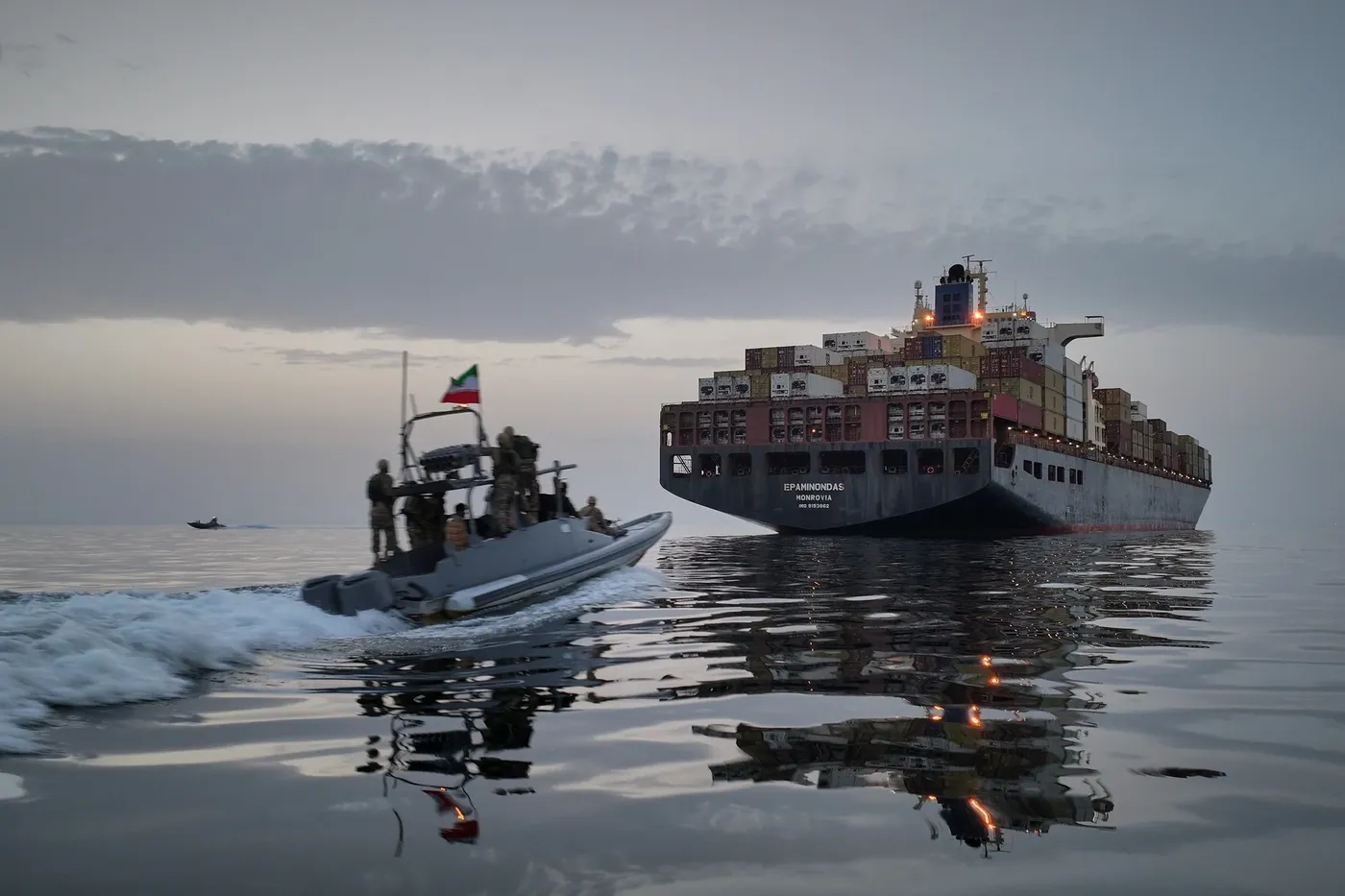

Brent settled at USD 89.65 a barrel on July 29, up 6.61% in one session. That is enough to reset sentiment across commodity markets, but it is not enough to prove that the world has suddenly lost an equivalent volume of oil. The broader picture is that prices have restored a geopolitical risk premium while evidence of a new physical supply squeeze remains incomplete.
For newer investors, that distinction matters most. Oil prices can react almost instantly to military and diplomatic news; production, port operations and shipping schedules cannot. When those two layers of evidence do not move together, a sharp rally may simply reflect a higher price for risk rather than a confirmed shortage.
What changed on July 29?
Brent moved from USD 84.09 on July 28 to USD 89.65 on July 29. The move was a forceful reversal after hopes for de-escalation weakened, not a direct measurement of barrels removed from the market. Reading it immediately as “oil is higher because oil is scarce” goes beyond the available evidence.
Iran fired missiles at US forces in the Middle East during the day, and all were intercepted. The United States and Saudi Arabia subsequently carried out airstrikes against Iran-aligned forces in Iraq. A US official told AP that the missile attack and the Iraq strikes were not directly related.AP That detail is a useful warning against forcing every development into a single, linear retaliation story and then treating it as immediate proof of an oil-supply shock.
US President Donald Trump of the United States Government had previously said the US would continue military action if negotiations failed. What markets priced on July 29 was the possibility of a broader conflict and greater risk to Middle Eastern oil flows. Public information does not establish that one statement or one event alone caused the full 6.61% move. Timing is not the same thing as demonstrated causation.
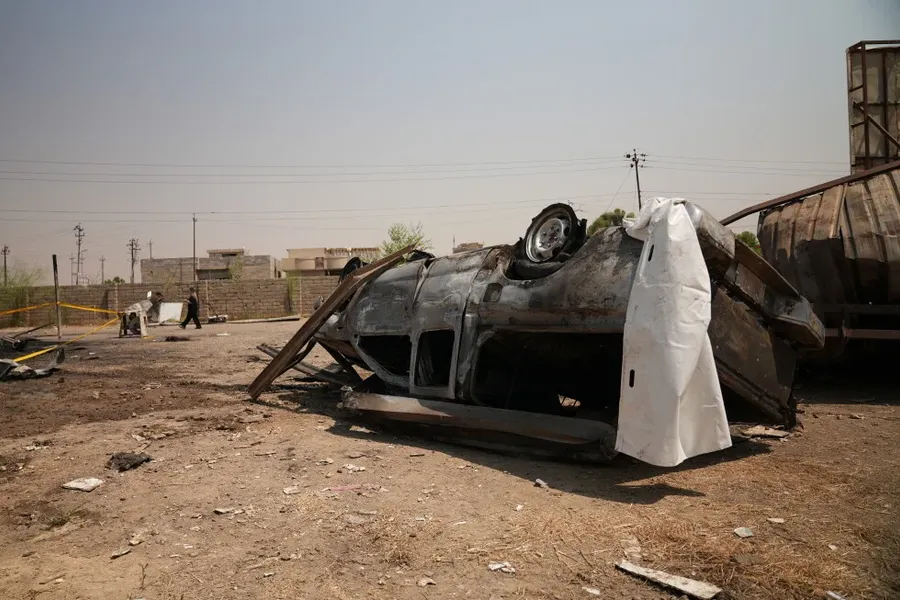
Damaged infrastructure is not automatically lost crude supply
The difficulty is that the market was not starting from normal conditions. The Strait of Hormuz was already a bottleneck before the renewed fighting. On a shipping route sensitive to security, a higher probability of disruption can lift the price of prompt oil even before lost output is confirmed.
Still, three issues are often bundled together when they should not be: an attack on infrastructure, reduced refining capacity and crude volumes that cannot reach customers. AP reported that Saudi Arabia's Jazan refinery was shut after being damaged, while satellite imagery showed damage at the Abqaiq oil-processing facility.AP Those are significant physical facts, but an oil-market conclusion still needs numbers on lost output, repair time and export capacity.
A refinery shutdown primarily affects the conversion of crude into products such as gasoline, diesel and jet fuel. It does not automatically remove the same number of crude barrels from the global market. Likewise, damage at a processing facility can be material or contained depending on which part of the operation is affected, whether alternatives exist and how long repairs take. Until that is clearer, price action is running ahead of physical data.

Two paths to test instead of chasing the price
The first path is a clearer supply squeeze. It would require attacks to reduce output at oil fields or processing facilities, halt export ports or further restrict the number of vessels able to transit Hormuz. At that point, the issue would no longer be risk alone: prompt buyers would be competing for barrels that can actually be delivered.
Investors do not have to guess from the mood of the market. Watch the relationship between prompt and later-dated oil prices, shipping and insurance costs, port status, vessel movements and production updates from companies or energy authorities. A single signal can be noisy. But if prompt prices move decisively higher while shipping and ports are constrained and production falls, the case for a physical tightening becomes much stronger.
Inventories are a slower but necessary confirmation layer. The latest official US Energy Information Administration report recorded a 2 million-barrel increase in commercial crude inventories for the week ended July 17, to 411.7 million barrels. The level was still 6% below the five-year average.EIA One weekly build does not eliminate Middle East risk, but neither does it support a claim that the US market faces an immediate shortage.
The second path is a contraction in the risk premium. This scenario gains support if attacks do not spread to oil fields, export ports or additional shipping lanes; damaged facilities return quickly; and transportation conditions do not worsen further. Oil can remain elevated relative to pre-conflict levels because the underlying risk has not disappeared. Yet the July 29 move itself could partly reverse as diplomatic expectations change.
Neither path should be treated as certain. Military developments, infrastructure repair timelines and shipping-company decisions can shift rapidly. The more honest position is to wait for confirmation: the price has reacted, but the scale of physical disruption still needs to be measured.
Vietnam feels sustained oil prices through costs, not only energy shares
For Vietnam's market, a prolonged period of higher oil prices is first a cost story. Transport, logistics, fuel-intensive manufacturing and inflation expectations can all come under pressure. Some oil and gas companies may benefit, but the result depends on volumes sold, realised prices, input costs and contract terms. A higher Brent price does not improve every energy stock's earnings by the same proportion.

The more useful response is therefore not to turn a war headline into an instant list of beneficiaries. Read earnings reports and company disclosures for fuel intensity, pass-through mechanisms and sales contracts. A transport company may feel pressure earlier, while an upstream operator may need time before a market-price move translates into reported revenue.
Conclusion: Price has spoken about risk; data must speak about supply
The central case is straightforward: the July 29 rally restored geopolitical concern on top of an already sensitive supply chain, but it has not yet demonstrated a new loss of crude-oil supply. That risk becomes a more durable trend only if production, ports, vessels and inventories deteriorate together.
Over the coming days, the key signals are updates on capacity at Jazan and Abqaiq, export and shipping activity through Hormuz, the shape of prompt versus deferred oil prices, and official US inventory data. Those measures will distinguish the two scenarios better than any new headline. For a newer investor, waiting for confirmation does not mean missing the oil story; it means separating risk already priced from a shortage that has actually occurred.