
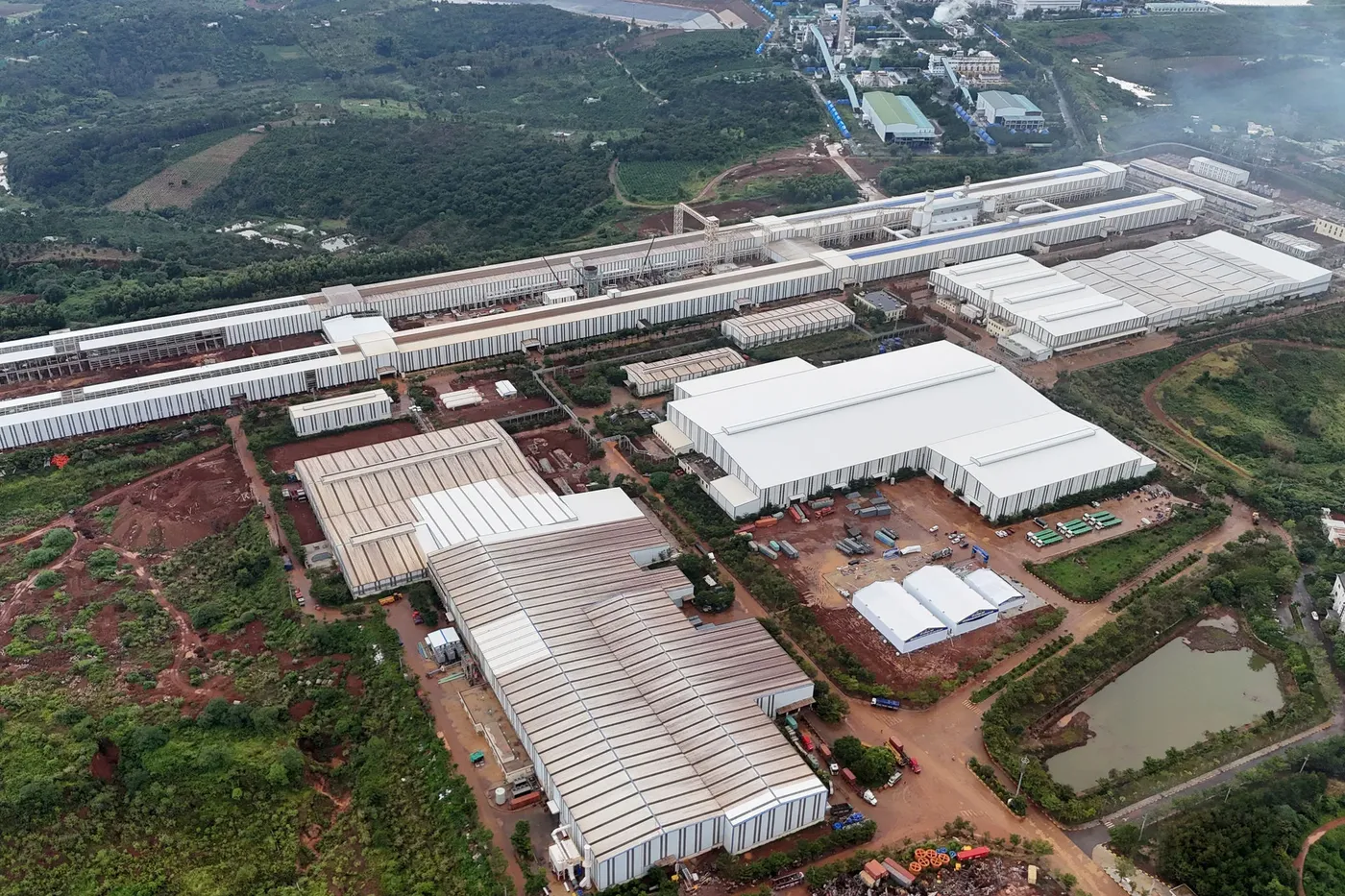

On July 26, Vietnam unveiled its first domestically produced aluminium ingots at the Dak Nong aluminium smelter in Nhan Co commune, Lam Dong province. The product was reported at 99.71% purity, marking the country’s first industrial-scale use of alumina electrolysis to make primary aluminium.Government News That is a real technical milestone, but it is not yet evidence of a plant with proven commercial economics.
The simple way to read it is this: Vietnam’s domestic chain had already moved from bauxite ore to alumina powder; it has now added the conversion of that powder into metal. New investors should keep the two stories separate. Producing the first batch proves that the technology works. Producing consistently, selling consistently, and earning a profit is a different and much longer test. This distinction prevents a one-off engineering result from being mistaken for recurring revenue or a durable margin.
Bauxite, alumina, and ingots are not the same thing
The terminology can blur together, yet each stage produces a different material. Bauxite is the raw ore, containing aluminium-bearing minerals alongside impurities. After refining, it becomes alumina, typically an aluminium-oxide powder. Alumina adds value over ore, but it is still not the metal that makers of window frames, conductors, or machine parts can use directly.
The new step is electrolysis. Alumina enters cells at roughly 950 degrees Celsius, where a high electric current separates oxygen from the compound to produce molten aluminium, which is then cast into ingots. The Nhan Co project uses a 500 kA current.VietnamFinance Put simply, alumina is a refined input; electrolysis is the power-intensive, continuously operated conversion process that turns it into metal.
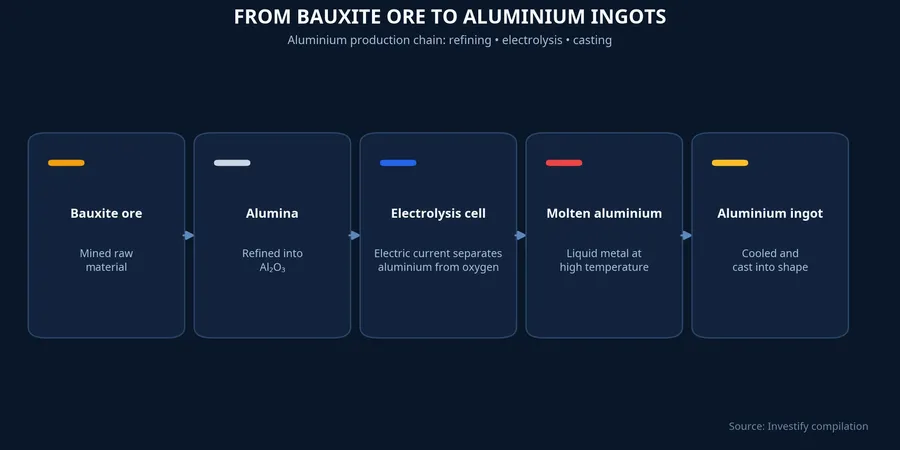
An ingot is not the end of the chain either. Depending on its use, aluminium still needs alloying, rolling, drawing, casting, or extrusion before it becomes sheet, bar, wire, or a component. The precise claim, then, is that Vietnam has added a primary-aluminium link to its chain. Calling it a complete mine-to-consumer-products chain would go beyond what one initial batch can establish.
Eleven years to reach the first metal batch
The announcement followed an investment journey that was far from linear. The project was prepared in 2012–2014 and broke ground in 2015 at Nhan Co Industrial Park. It covers 129.42 hectares, with disclosed investment of approximately VND 18,423 billion.Lam Dong Newspaper
Progress was affected by land issues, site clearance, technical infrastructure, and the Central Highlands’ rainy season. The 2019–2021 pandemic period added another disruption.Government News The project signed an agreement with its main contractor in February 2025, completed financing arrangements in March, and began installing core equipment on December 20, 2025.Lam Dong Newspaper
Against that timeline, the first ingots are not a sudden transformation. They close the construction and technology-completion phase and open the operating phase. For a metallurgical project, those phases carry different risks: first, whether the line can be built and make a product at all; then, whether it can run reliably at an acceptable cost. Operating evidence should therefore emerge in stages, rather than be assumed from the launch event.
Nameplate capacity is not output sold
The initial phase is operating with nameplate capacity of 150,000 tonnes of aluminium a year. Under the disclosed plan, total capacity is expected to rise to 300,000 tonnes a year in the fourth quarter of 2026 and reach 450,000 tonnes a year in the first quarter of 2027.Government News These figures describe designed capability and an expansion plan, not tonnes already produced or cash already collected.
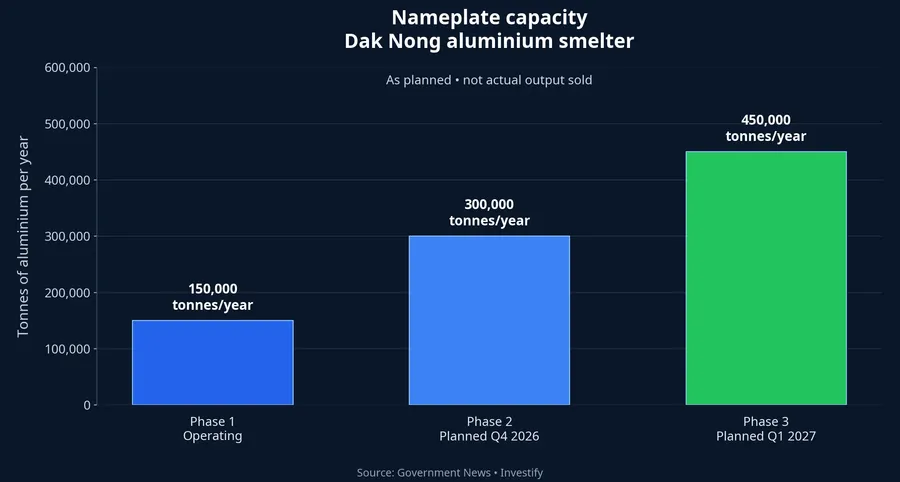
That distinction is particularly useful for new investors. A plant with 150,000 tonnes of annual nameplate capacity does not necessarily produce one-twelfth of that amount in its first month. A new facility normally needs time to raise utilisation, stabilise equipment, and control quality across batches. Aluminium electrolysis also requires continuous operation; cell outages or technical disruptions can directly affect output and cost. Capacity is a ceiling for analysis, not a shortcut to current volume or profitability.
The reported 99.71% purity is therefore meaningful evidence that the line can make a product to the disclosed specification.Tien Phong Evidence of commercial operation will need monthly data: actual output, capacity utilisation, downtime, and consistency of quality. Until that series exists, design capacity should not be substituted for realised results.
Power, inputs, and sales are the economic tests
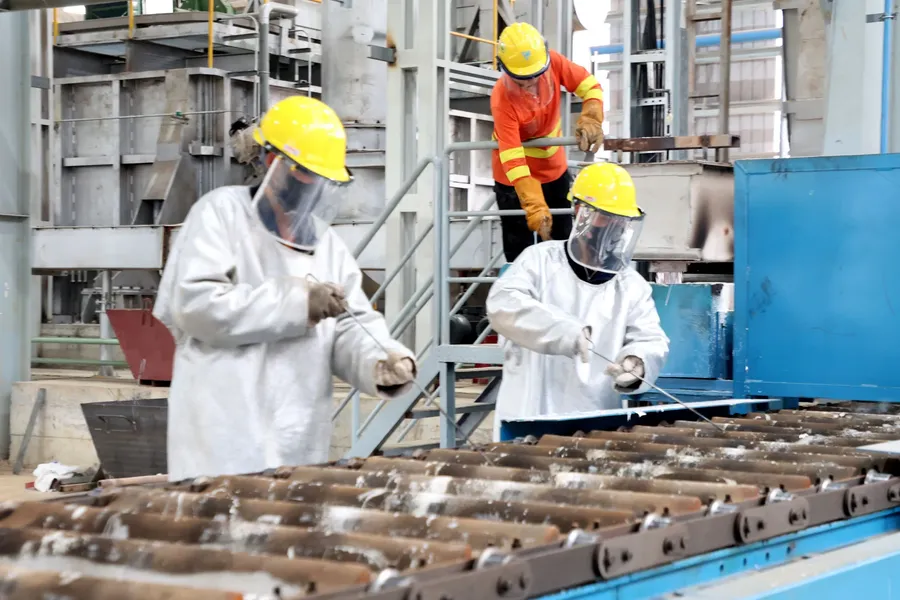
The cost of aluminium is not determined simply by locating a smelter near an alumina source. Electrolysis needs large, reliable power supply. Electricity prices, power consumption per tonne, equipment efficiency, depreciation, and financing costs all feed into unit cost. The information now available confirms that the first phase is operating, but it does not provide enough detail to calculate electricity cost per tonne or the plant’s profit margin.
Inputs must also become a dependable flow, not merely a geographic advantage. Nearby alumina can reduce part of the transport distance, but economics still depend on contracted volumes, feedstock quality, and purchase prices. International benchmark aluminium was at USD 3,158.28 per tonne on July 24.Trading Economics That reference price changes daily and is not the plant’s realised price, which will also depend on product grade, specification, and delivery terms.
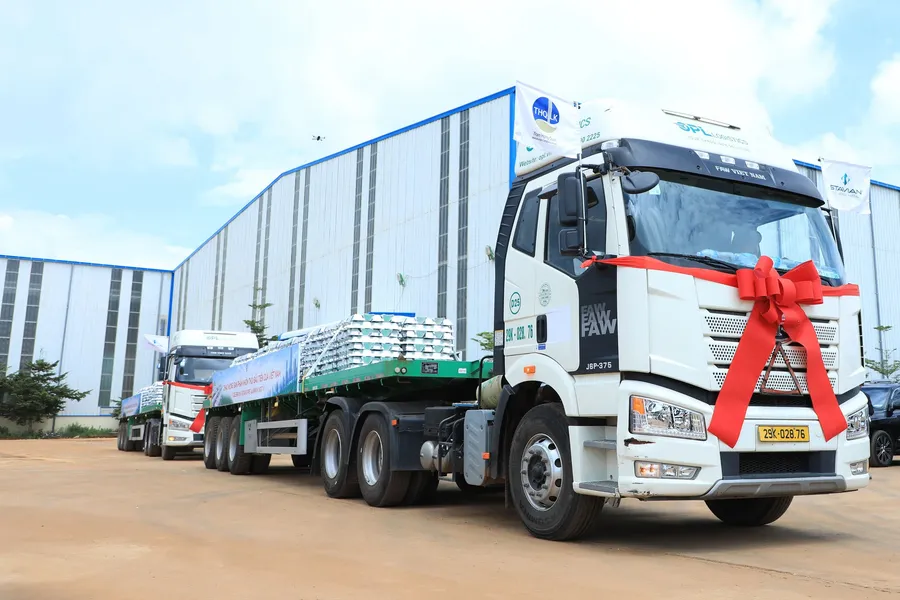
On the sales side, the initial ingot batch was sold at the unveiling ceremony.Tien Phong This is encouraging because there has been an initial transaction. It does not yet show whether volumes are committed under long-term contracts, how long those contracts run, what net selling price the plant receives, or how quickly cash is collected. Those questions determine whether a metal-making facility becomes a durable business.
Reading the milestone correctly
At its designed capacity of 450,000 tonnes a year, the Government estimates that the project could generate approximately USD 1.35–1.40 billion in annual production value.Government News This is a scenario at full design scale, not current revenue from the first phase. Production value is not profit either: feedstock, power, labour, depreciation, and financing costs must still be deducted.
The thesis is straightforward. Vietnam has opened the electrolysis stage that takes domestic alumina to primary aluminium. The technical achievement creates a foundation for downstream processing industries to operate closer to the metal source. It may also make the domestic value chain more integrated over time, but that outcome depends on reliable metal supply and downstream economics. Commercial viability, however, still requires data; it cannot be inferred from a ceremony or nameplate capacity.
Over the coming months, the three signals to follow are actual output against nameplate capacity, power consumption per tonne, and repeat sales supported by contracts. Investors should also distinguish disclosed contracts from a single ceremonial transaction, and realised prices from international benchmarks. The useful question is not whether the plant has started, but whether the evidence becomes repeatable across several reporting periods. Once those data arrive consistently, investors will be able to judge whether the plant has moved from making aluminium to making it reliably and profitably.