

The phrase “registered to buy shares” can make a new investor pause. If someone close to the business wants to add to their stake after a price decline, surely they see value at that level. The instinct has one sound element: an intention to use personal capital to buy more shares is worth watching. It becomes risky, however, when the critical distinction is lost: a registration to buy is not a completed transaction.
Put simply, the first disclosure is a plan. It sets out a proposed window, volume and method, but it does not say which orders have traded, at what average price, or whether the registrant will buy the full amount. That leads to a clear thesis for this article: treat a registered purchase as a secondary signal that prompts further checks, not as evidence that a stock has found its bottom.
Three cases, three different readings
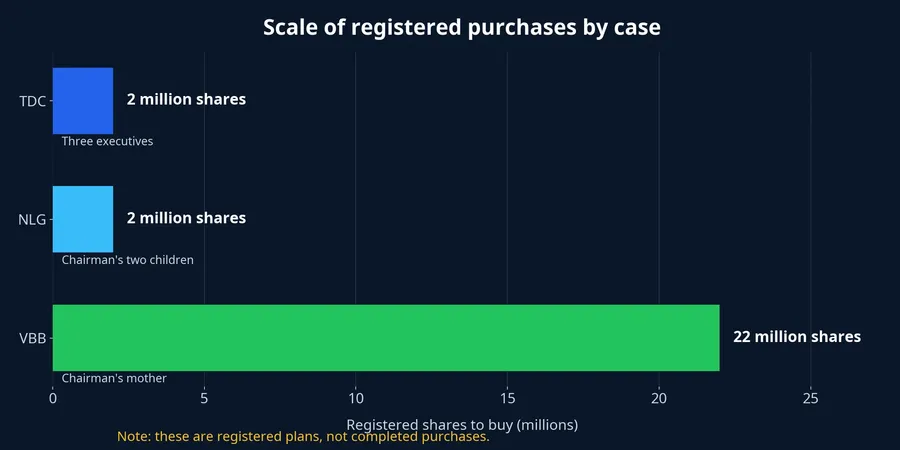
Recent disclosures involving TDC, NLG and VBB show the distance between a plan and actual commitment. At TDC, three executives registered to purchase a combined 2 million shares between 23 July and 20 August. One person registered for 1 million shares, while the other two each registered for 500,000 shares.Tiền Phong The proposed increase is substantial enough that it is not merely symbolic.
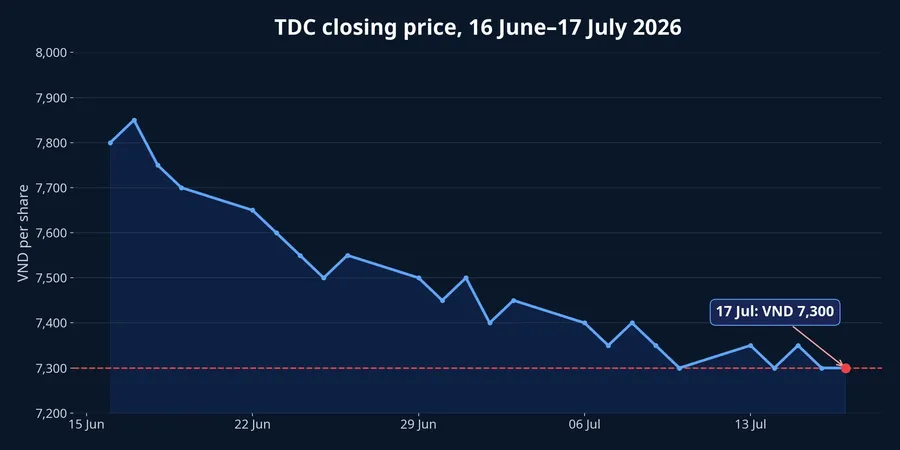
Price context does not turn that proposal into a conclusion. TDC had fallen by approximately 25% in one month and closed at VND 7,300 on 17 July; at that reference price, the plan was worth roughly VND 14.6 billion.Tiền Phong The reference price only helps investors picture the capital that might be needed. It does not establish that the buyers have deployed it, or that the purchases are large enough to support the share price in the market.
At NLG, the Chairman's two children each registered to buy 1 million shares. The identical headline number need not convey an identical signal because their starting ownership positions can differ: one may be building from a very small base while the other may already hold shares.Tiền Phong Investors should therefore not stop at “1 million.” The percentage increase relative to an existing holding says more about how much the person's position is changing.

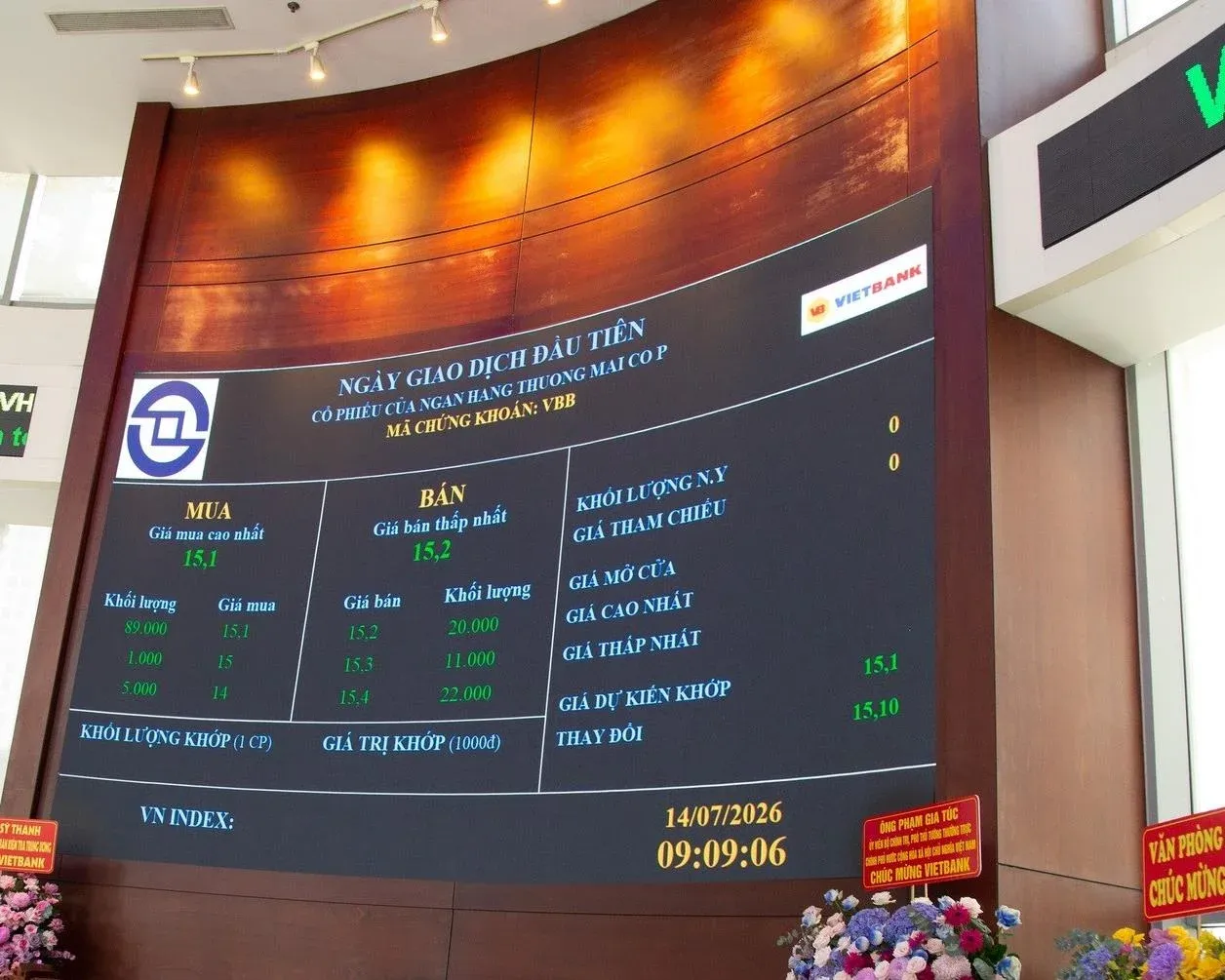
VBB presents another context. The mother of VietBank's Chairman registered to purchase 22 million shares from 22 July to 20 August through both order matching and negotiated transactions. Using the approximately VND 14,500 price in the 17 July session, the reference value was about VND 320 billion.Tiền Phong That is much larger than the TDC and NLG plans in absolute value, but it should not automatically be called bottom fishing: VBB had just moved to HOSE and was up nearly 6% over four sessions through 17 July.Tiền Phong
The practical lesson is straightforward. An additional share purchase may be intended to build a long-term stake, rearrange family assets, or execute an existing plan. Without a direct explanation, claiming that the transaction happened because an insider judged the stock cheap is speculation. TDC's earlier price decline and VBB's recent listing move are relevant context, but neither proves the buyer's motivation.
Four fields to read before trusting the signal
Think of an insider notice as a form that should be read in full, rather than as a headline containing the word “buy.” The first field is the registered volume and the ownership stake before and after the proposed trade. A small purchase can matter a great deal to someone who barely owned shares before. It may barely change the position of someone who already holds a large stake. The absolute number only becomes meaningful against that starting point.
The second field is scale relative to the company and to trading liquidity. A plan worth tens of billions of dong may be meaningful to an individual, yet still be modest against a company's market capitalization or normal daily turnover. Conversely, a less dramatic cash amount can signal a material change in commitment if it visibly increases ownership. Both comparisons prevent a single headline number from doing too much analytical work.
The third field is the transaction method. Order matching means the buyer participates in exchange supply and demand during the execution window. A negotiated transaction can transfer ownership between parties identified in advance. Both are legitimate methods, but they tell different stories about demand visible on the order board. When a notice allows both methods, it is even less justified to assume that new money is already lifting the share price.
The final field is the execution window and the results report. A window running for several weeks lets the registrant choose the timing, while the market price can move every day. Only the subsequent results report states how many shares were actually acquired, when they were acquired and what proportion of the plan was completed. If the registrant buys nothing or less than intended, the explanation is not a footnote. It is evidence about the strength of the initial signal.
Why a reference price is not a purchase price
This is where newer market participants often get tripped up. When the media use the closing price on the disclosure date to estimate a transaction's value, they are making a useful multiplication: the number of shares times the latest price. That estimate makes the potential size of the plan understandable. It does not verify that the related person bought at that precise price.
Over a long execution window, the price can rise, fall or become harder to trade. The registrant may also complete only part of the plan because of market conditions, a change in funding needs, or reasons explained later in the results report. It is therefore unsafe to turn the disclosure-date price into a conclusion about profit, an entry point, or the valuation accepted by the insider.
The distinction also guards against another faulty inference: a large plan does not make a stock safe. An insider transaction cannot replace work on earnings, cash flow, debt, dilution risk and the industry backdrop. Managers and related persons can have different holding periods, funding sources and capacity for volatility from a retail investor. What suits their situation may not suit yours.
Wait for the results report to complete the picture
A registration notice still has value. It shows who intends to increase ownership, over what period, in what volume and by which method. That is enough reason to add a ticker to a watchlist and prepare better questions. It is not enough reason to skip independent analysis of the business.
For TDC, NLG and VBB, the disclosed registration windows were still ahead or under way when this article was written. The more consequential evidence will be in the results reports: the number of shares actually bought, the transaction method used and whether the plan was completed. The thesis remains unchanged: the signal strengthens only when an intention becomes confirmed ownership, while the underlying business still deserves an independent assessment.
Over the next several weeks, three details warrant attention: the results disclosure, the change in ownership after the transaction and new information about operating performance. Together, they let investors move from a striking headline to a more grounded judgment. For a new investor, that is a small but valuable habit: separate what was promised from what actually happened.