
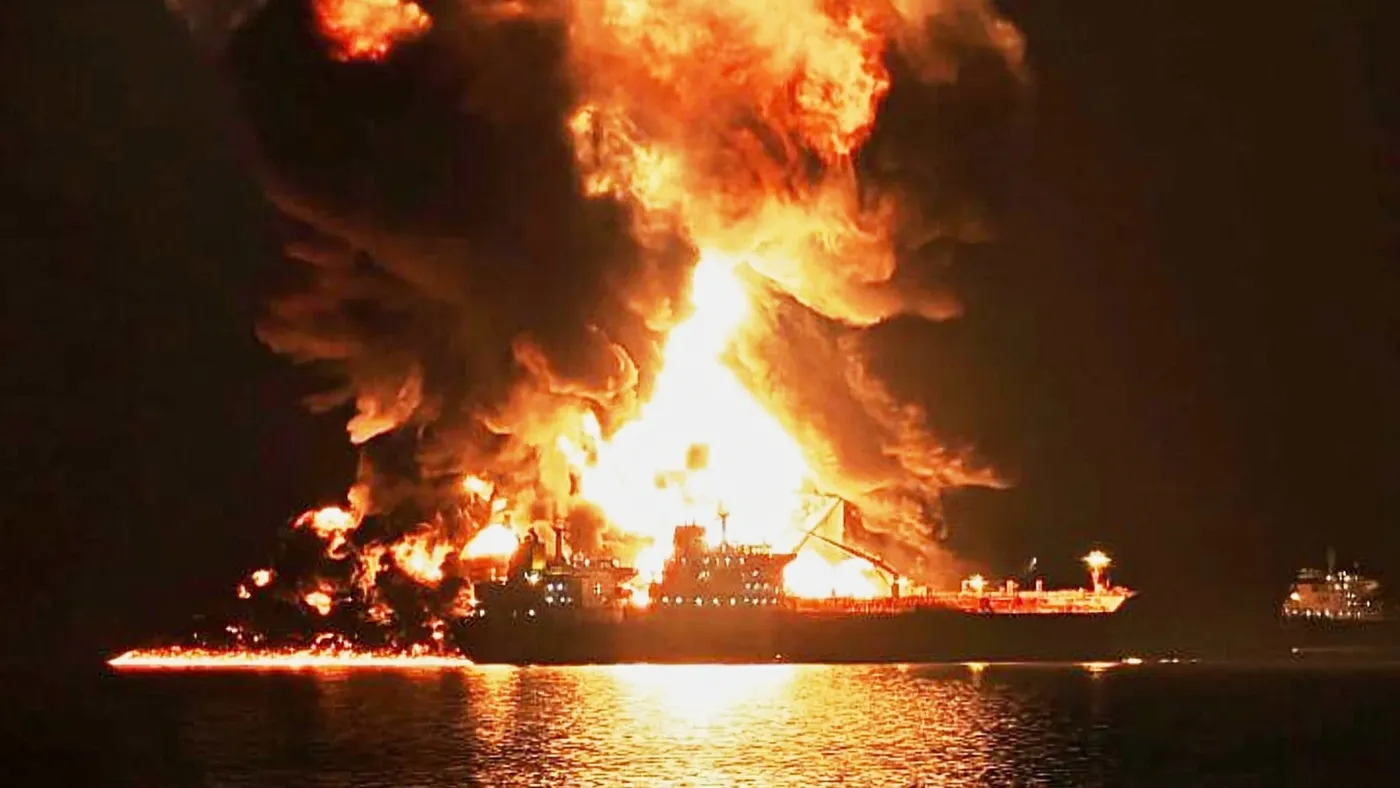

An announcement that the Strait of Hormuz is closed can jolt markets before the first trading session even opens. For investors, however, the more useful question is not how forceful the headline sounds. It is how much cargo can still move, at what cost, and under what security conditions. Iran's statement should therefore be treated as a warning that requires verification, not as proof that all maritime activity has stopped.
The larger picture is different from a simple oil-price spike. Markets are being asked to price a shipping artery that could narrow in stages. The working thesis for the coming week is straightforward: a lasting Hormuz shock needs confirmation from three places at once, lower vessel traffic, tighter insurance conditions and worsening security. Until those signals converge, the episode remains a risk scenario rather than a confirmed supply disruption.
A political statement does not measure disruption
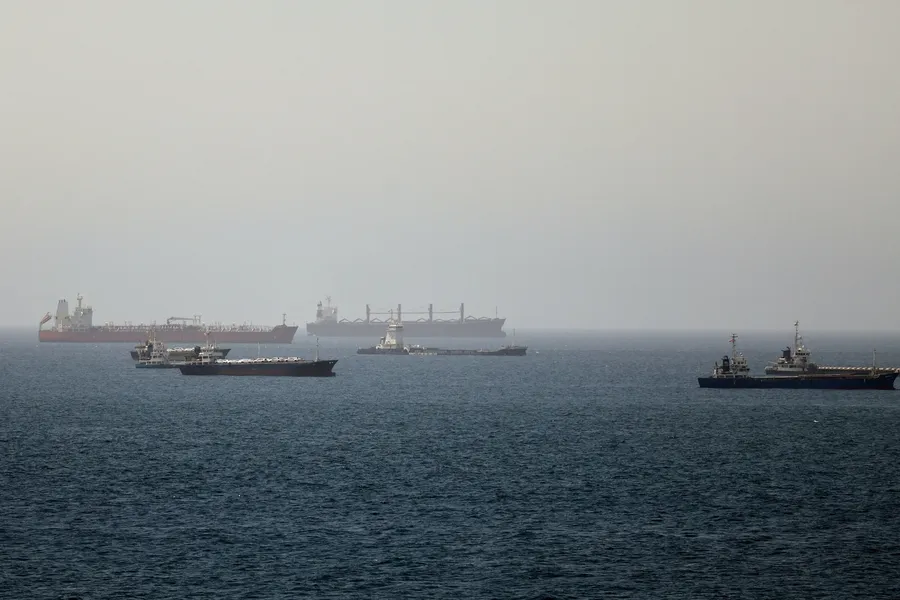
It is a mistake to equate a political declaration with a completed blockade. Traffic around Hormuz was already abnormal before the latest development, and ship-identification data are not always complete. On July 8, AP, citing Kpler data, reported 41 vessel transits through the strait on the preceding day, up from 36 a day earlier.AP
That figure does not establish that every lane is safe. It does show that, even under stress, shipping can continue partially, reroute, or change how vessels transmit their signals. The U.S. Energy Information Administration has also cautioned that vessel-signal data around Hormuz have been particularly unreliable since late February 2026.EIA One tracking screenshot or one daily count is therefore a poor basis for judging the scale of a disruption.
For newer investors, it helps to separate three layers of information. The first is political and navigational messaging: it signals intent and the rules parties seek to impose. The second is physical data: how many vessels actually transit, which ones turn back, and which routes remain workable. The third is the cost of commerce, including war-risk insurance, freight rates and delivery times. Oil prices aggregate all three; they are not a substitute for observing them.
When insurance turns tension into an economic cost
A ship being technically able to pass through a strait does not mean its owner will send it. Owners also assess insurance terms, crew safety, delivery reliability and the cost of waiting. If any one of those links tightens, transport capacity can contract even before a waterway becomes completely impassable.
That mechanism is easy to miss when attention is fixed on an oil-price chart. Freight and insurance costs do not move in lockstep with every market candle, yet they determine how much of a shipping shock reaches factories, airlines and consumers. If vessels can keep using a corridor, surcharges remain contained and no new security incident occurs, some of the fear premium in oil can fade. If carriers delay sailings and insurers impose tougher conditions, the impact can outlast an opening-session reaction.
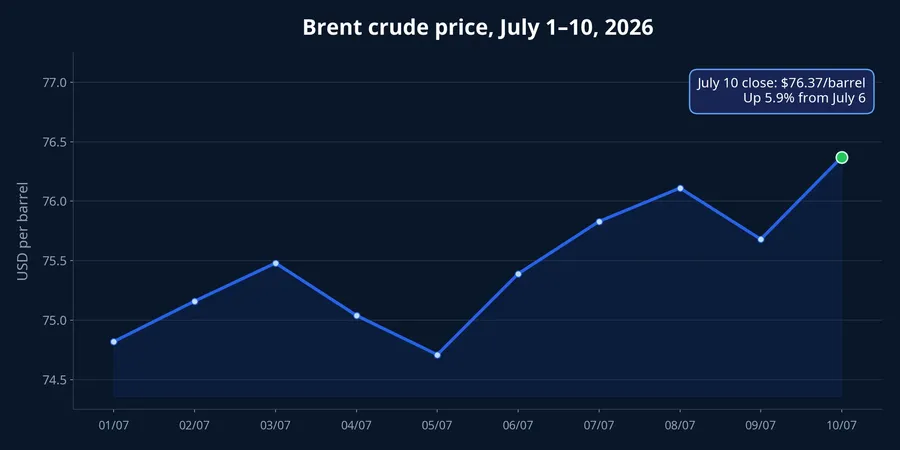
Hormuz matters because the volumes involved are large. EIA data put average oil flows through the strait at 20.7 million barrels per day in Q4 2025 and 14.6 million barrels per day in Q1 2026.EIA The comparison does not predict tomorrow's traffic. It does illustrate the sensitivity of a route carrying substantial volumes and already recording a marked decline in the latest quarter.
Oil has already priced in some uncertainty
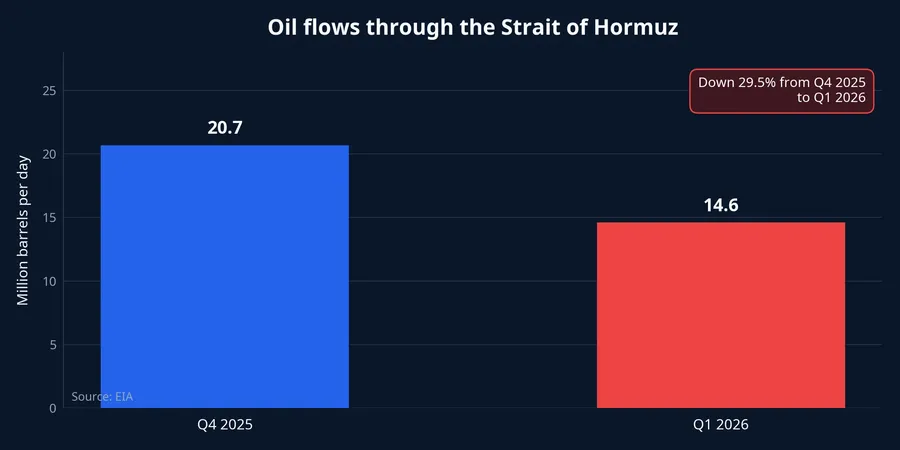
Brent closed at $76.37 a barrel on July 10, up 5.9% from $71.99 on July 6. That is a meaningful move in only a few sessions, but it is not proof that supply has been cut off. Commodity prices often respond first to the probability of a risk, then recalibrate as operating data become available.
Gold moved the other way. It closed at $4,105.30 an ounce on July 10, down 1.4% from July 6. The divergence is an important reminder that geopolitical stress does not automatically lift every defensive asset. The U.S. dollar, Treasury yields and pre-existing market positioning can all lead to a different outcome.
That is why a weaker gold price should not be used to dismiss the oil risk, just as a stronger oil price should not be treated as confirmation that a military scenario has occurred. The two assets reflect different bundles of expectations. Oil is highly sensitive to physical transport risk, while gold is also strongly shaped by monetary conditions and broader safe-haven demand.
From Hormuz to Vietnam: the transmission has a lag
For Vietnam, the earliest effect is not necessarily a change in retail fuel prices. Domestic price management has a lag, while companies and markets may react earlier to international oil, freight costs and the outlook for input expenses. Fuel-intensive industries may face fresh scrutiny on margins if oil and logistics costs stay elevated, but there is not enough evidence to assign an individual stock move directly to Hormuz.
The VN-Index closed at 1,828.34 on July 10, down 0.67% from the previous session. Because this reading preceded the latest statement, it only describes the market's end-of-week starting point. It is not evidence of a Vietnamese equity-market response to the later event. Keeping that sequence straight prevents two nearby developments from being turned into a causal claim.
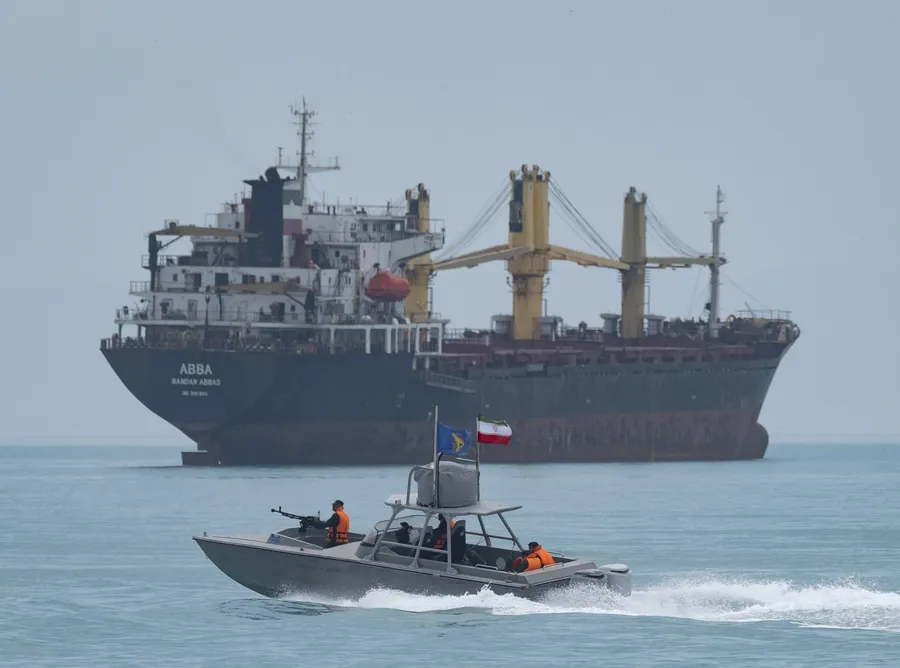
Security reports deserve the same restraint. On July 7, Thanh Niên cited the United Kingdom Maritime Trade Operations agency as receiving a report that a tanker near the Omani coast was struck by an object and caught fire.Thanh Niên The incident makes maritime security more relevant, but it does not permit the conclusion that every subsequent vessel was attacked or that the entire strait was blockaded.
A monitoring framework for the next sessions
Rather than chase each headline, investors can follow the data in a simple order. Start with traffic through available corridors and whether vessels continue their voyages. Then examine notices from carriers, insurers and maritime agencies about operating conditions. Finally, turn to verified security developments and diplomacy, because those signals determine whether additional costs become persistent.
Each signal answers a different question. Traffic tells us whether cargo is moving. Insurance terms and schedules show how much risk shipowners are prepared to accept. Confirmed security incidents and negotiations indicate whether the risk is easing or spreading. If all three worsen together, markets have a reason to retain a higher risk premium. If only the rhetoric intensifies while physical activity remains stable, the price response may prove shorter-lived.
The appropriate conclusion today is to wait for confirmation, not to trade a headline as a fact. Vessel movements, insurance conditions and security are the variables that separate a geopolitical warning from a shock that reaches the real economy. The key signals for the coming week are simultaneous changes in those three variables and Brent's response as the market receives better operational information. That discipline also prevents a dramatic headline from being mistaken for a completed economic event.