


Microsoft has announced roughly 4,800 role cuts, equal to about 2.1% of its global workforce.Microsoft In the same U.S. session on July 6, the Nasdaq Composite still gained 1.1% to 26,121.16, while the S&P 500 rose 0.7%.AP Put side by side, those two facts can easily mislead newer investors into thinking the market somehow ignored bad news from one of the largest tech companies in the world.
The cleaner way to read it is this: markets do not price a keyword like "layoffs" in isolation. They price the explanation behind it. If layoffs signal weakening demand and fading revenue momentum, the stock usually gets punished. If they look more like a balance-sheet and margin defense move while the company still retains a credible growth path, the reaction can be very different.
That is what made the July 6 session useful. Nasdaq's gain did not mean investors were celebrating job cuts. It meant Wall Street was reading U.S. tech through a different lens: which companies can still impose cost discipline, and which parts of the AI value chain are still attracting enough capital to pull an index higher.
Microsoft's bad news is still bad news
The first point to keep straight is that Microsoft has not been given a free pass. Reuters reported that the roughly 4,800 layoffs came as large technology companies continue to spend aggressively on AI infrastructure, while Microsoft's stock had already fallen nearly 23% in the first half of 2026.Reuters This was not a cheerful headline landing on an otherwise relaxed stock. It arrived after a stretch in which cost pressure and profit expectations had already weighed on sentiment.

In its own statement, Microsoft framed the move as part of a broader company transformation, not as a claim that AI is directly replacing every eliminated role.Microsoft That distinction matters. Reorganizing the company and changing how work gets done are related stories, but they are not the same story, and the market values them differently.
The clearest pain point in this round appears to be Xbox and parts of enterprise sales. The Verge reported that about 1,600 Xbox employees were affected on the day of the announcement, and that Microsoft plans to eliminate roughly 20% of Xbox jobs over the current fiscal year.The Verge That suggests management is not just trimming generic overhead. It is also restructuring a business line already under pressure from hardware economics, content costs, and margins.
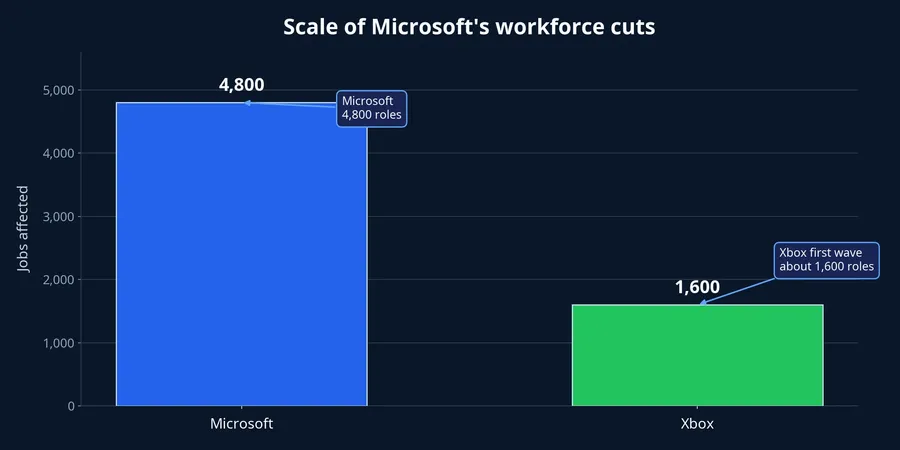
This is where newer investors often over-simplify the signal. A large layoff announcement does not automatically mean a company is becoming stronger. It tells you management feels compelled to reset the cost base. Whether that reset is constructive or defensive depends on the next question: after cutting costs, can the company still protect its growth trajectory?
Nasdaq rose because an index is a basket, not a single stock
If you only looked at Microsoft, caution would be a reasonable response. But Nasdaq is not Microsoft. It is a heavily weighted basket of large technology names, and on July 6 the bigger support came from a rebound in stocks tied to the AI buildout. AP reported that the S&P 500 still rose 0.7% even though most stocks in the index fell, while the Nasdaq climbed 1.1% on the strength of technology and semiconductor names.AP
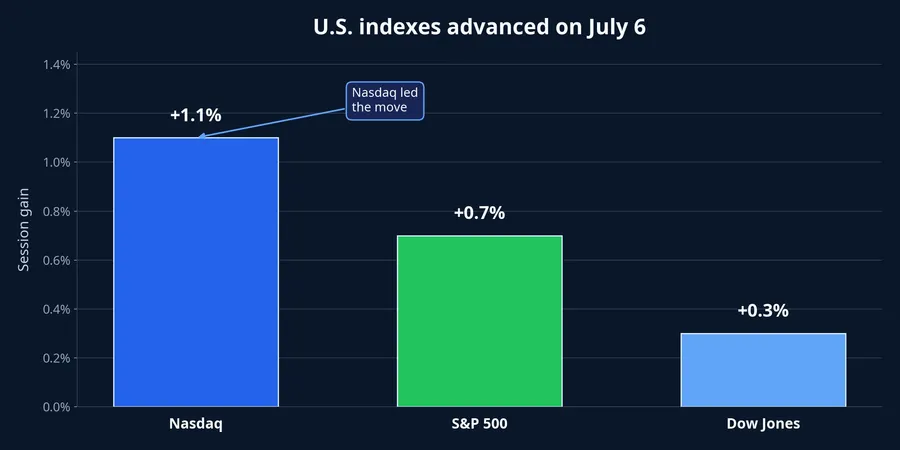
That detail matters more than it first appears. When most stocks fall but the index still rises, the move is narrow rather than broad. A concentrated group of large winners can outweigh weakness elsewhere.LA Times For investors, the practical lesson is straightforward: when an index closes green, the next question should always be who actually did the lifting.
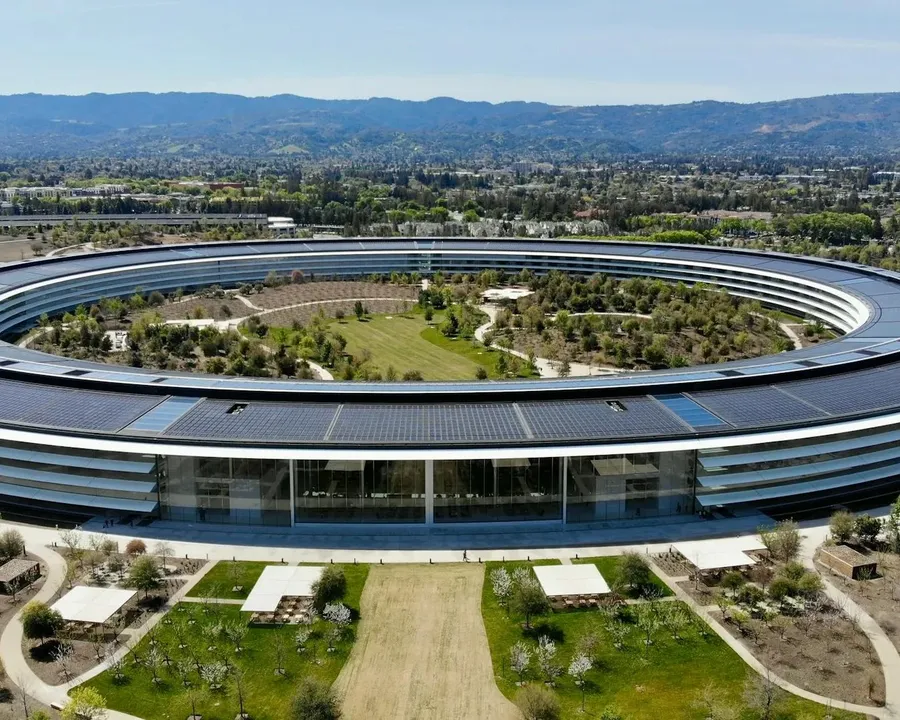
Broadcom is a good example of that mechanism. AP said Broadcom was among the strongest forces lifting the S&P 500 after announcing long-term agreements to keep supplying silicon products to Apple.AP On the same day, Channel News Asia reported that Broadcom and Apple had expanded their technology partnership through 2031 to develop and supply multiple generations of custom chips.CNA
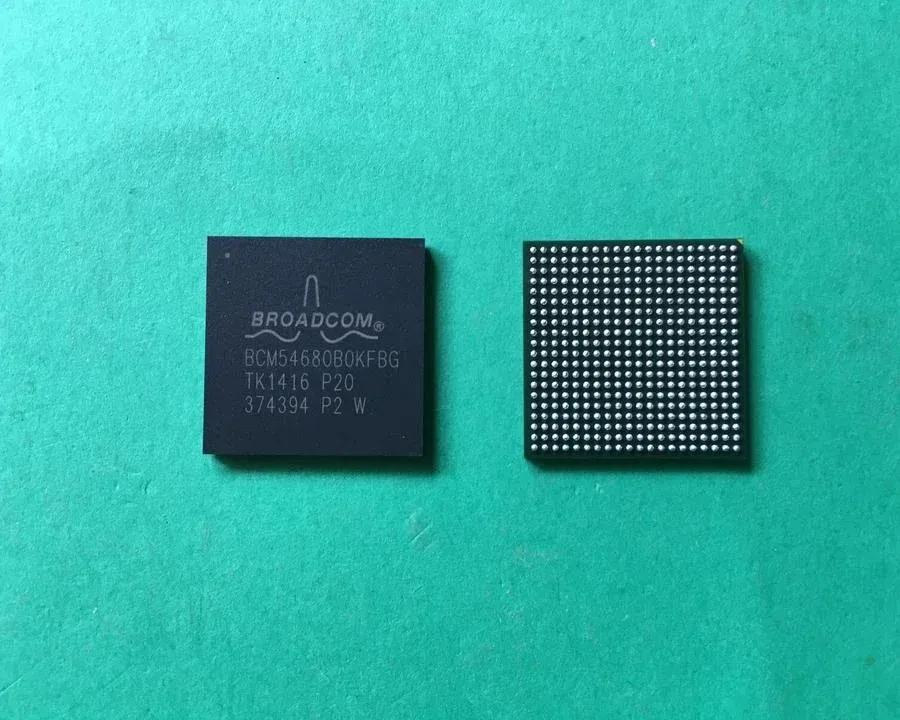
Still, it would be a reasoning error to say Nasdaq rose only because of Broadcom's Apple deal. The session was more likely a combination of factors: a rebound in AI-linked stocks, the heavy index weight of semiconductor names, and a temporary easing of fears that AI capital spending had become too expensive to justify. Broadcom simply provides a clean example of what the market is still willing to reward: visible revenue pathways inside the AI supply chain.
Wall Street is asking about future profitability
At a basic level, investors are no longer asking only whether big tech can keep growing. They are asking whether that growth can still convert into profit after paying for a very expensive AI buildout. Reuters reported that total AI spending by the largest tech companies is expected to exceed USD 700 billion this year, while Microsoft alone had previously outlined roughly USD 190 billion in spending for 2026.Reuters
When the investment bill gets that large, margins become the real stress point. A company can still post higher revenue, but if infrastructure, data-center, and staffing costs rise even faster, the residual profit available to shareholders shrinks. That is why layoffs are not always read as a recession signal. In some cases, they are read as an attempt to keep cost discipline from breaking the long-term earnings story.
That said, the opposite overreaction is also dangerous. Not every layoff wave deserves to be interpreted as bullish. In Microsoft's case, the current evidence supports a narrower conclusion: the company is aggressively resetting costs and restructuring some businesses, especially Xbox. The current evidence does not yet prove that this alone will solve the return-on-capital problem or reverse the stock's earlier slide. That answer will depend on upcoming earnings and on how effectively Microsoft's AI investment starts turning into commercial output.
How newer investors should read sessions like July 6
The most common mistake is to read market pricing through the moral emotion of the headline. Layoffs are bad news for workers, full stop. But stocks react on a different layer: expected profits, future cash flows, and competitive position. Those layers overlap, but they are not identical.
The second mistake is to use one giant stock as a stand-in for an entire sector. On July 6, Microsoft was a story about restructuring and cost pressure. Broadcom was a story about locking in long-duration semiconductor demand. Nasdaq was a story about index weights and where AI money was still willing to stay. Those three layers were active in the same session, which is exactly why one-headline, one-conclusion thinking breaks down.
The third mistake is to treat a rising index as proof that the whole market is healthy. This session showed the opposite. An index can still finish higher even with weak breadth, as long as the leaders remain strong enough. For Vietnamese investors who watch Wall Street before the local open, that is a practical lesson. The green color of the Nasdaq means less by itself than the source of that green.
The most coherent conclusion from July 6 is this: Wall Street is not treating Microsoft's 4,800 cuts as good news. It is simply assigning more weight to a different question, namely which technology companies can cut costs without losing their place in the AI growth cycle. In this session, Microsoft only offered a partial answer on the cost side. Nasdaq's rise said more about the weight of semiconductors and the market's search for defendable future profits than it did about approval of layoffs.
Over the next few weeks, the key signals will go beyond whether Nasdaq closes up or down. What matters is whether margins at the largest tech companies hold up, whether AI contracts keep turning into real revenue, and whether the rally broadens beyond a small circle of leaders. If those three pieces improve together, the market will have a much stronger basis for believing the move can last.