


VN-Index ended the week at 1,824.53 points, a level high enough for expectations and rumors to spread faster than usual. When prices are already sensitive to every new story, what hurts first-time investors is not a lack of information. It is reacting before they know what kind of information they are looking at and where it actually came from.
Put simply, a message saying a stock is “about to run” is not an investment thesis. It is only the start of a verification process. If you do not move from the rumor to the original source, then from the source to the real effect on revenue, cash flow, or risk, you can easily become the last buyer in a story the market has already priced in.
Do not start with the price board
The natural reflex for many new investors is to open the trading screen the moment a hot tip appears. But a price board only shows how the market is reacting. It does not tell you whether the information is true. If you jump straight to price action, you are reading crowd behavior before you read the event itself.
For public companies in Vietnam, the first stop should be the State Securities Commission’s disclosure portal, followed by the disclosure sections on HOSE and HNX, depending on where the stock is listed or traded.SSCHOSE Only after that should you move to the company’s investor-relations page, where full reports, board resolutions, AGM materials, and disclosure history are usually stored.
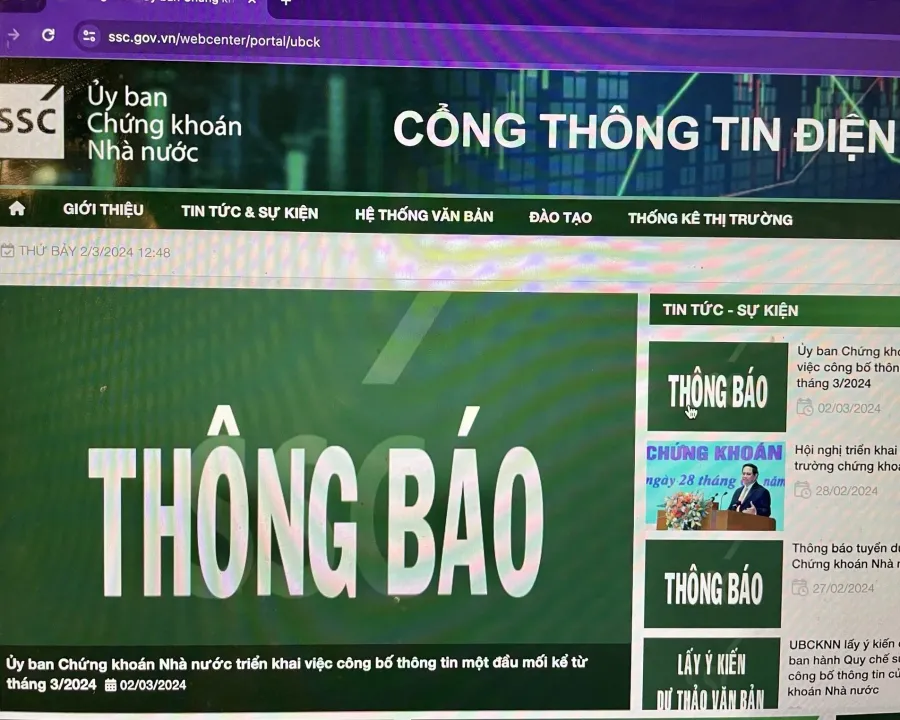
The reason for that sequence is practical. Official sources show the publication date, document number, issuing authority, attached files, and sometimes the chain of related filings that came before. A message circulating in a chat group usually preserves only the most emotional part of the story, while the details that change its meaning are cut out.
That is why the first question should not be “how much can the stock rise.” The first question should be “which document is this claim based on.” Change the order of the questions and the quality of the decision changes with it.
A true headline still may not be tradable
This is the most common trap for first-time investors: if a piece of news is true, they treat it as a trading signal. But a true headline has passed only the first test. The more important one comes next: how large is the impact, and which part of the business does it actually touch.
On June 20, 2026, CafeF reported that Bao Viet Securities was fined VND 125 million for allowing clients to conduct margin transactions beyond their available buying power.CafeF That is real information and it is worth reading closely. But there are still several steps between that fact and any conclusion about where the stock price should go next: whether the behavior is recurring, whether it affects lending policy or business restrictions, and whether the fine is material relative to the firm’s capital, earnings, and liquidity.
On June 18, 2026, Thương Trường reported that Hưng Thịnh Investment was fined a total of VND 290 million under Decision 307/QD-XPVPHC by the State Securities Commission. Of that amount, VND 92.5 million was tied to late disclosure of financial statements and bond principal and interest payment information.Thương TrườngSSC For an equity investor, the lesson is not to memorize the case name. It is to classify the violation correctly: late disclosure, misleading disclosure, and financial-obligation breaches are very different signals.
In other words, not every negative headline hits the value of a company in the same way. A procedural problem may create only short-term noise. But if the information reaches debt-servicing capacity, ownership rights, revenue recognition, or operating capability, then the story deserves to enter your valuation framework.
This is where new investors should split news into two layers. The first layer is information that fuels discussion for a few sessions. The second layer is information strong enough to change a company’s real cash generation over the next few quarters. Mix the two together and you end up buying because of one headline, then selling because of another.
Read the document in the right order
An effective verification process does not need to be complicated. It just needs to follow the right sequence and resist the urge to skip steps because the opportunity seems to be moving fast. Once you have the right ticker, the first task is to confirm that you are looking at the right company, the right legal entity, and the right type of event.
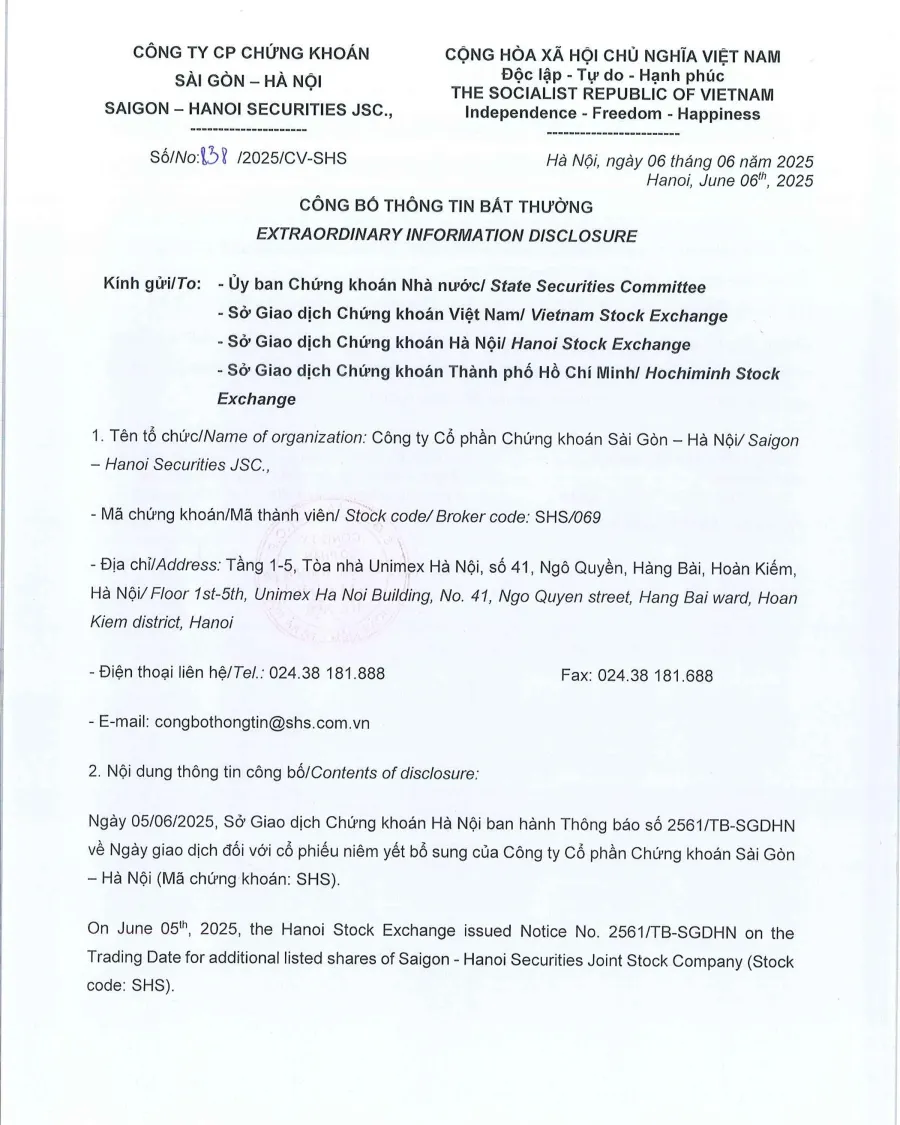
Then read the original filing instead of a social-media summary. For dividend plans, issuance, shareholder meetings, or management changes, the company’s own materials are the key source. For warnings, special control, abnormal-price explanations, or trading-status changes, the decisive source is the disclosure portal of HOSE or HNX.HOSE For penalties and regulatory documents, the State Securities Commission’s portals are the final layer of confirmation.SSC
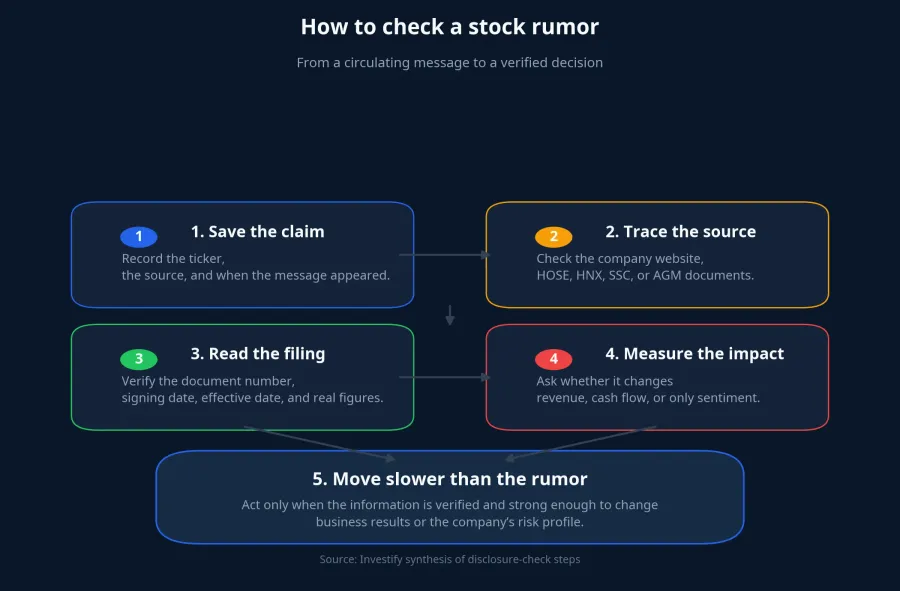
The most important part of reading a filing is not the headline. It is the section that explains the content and the effective status. A company winning a bid does not mean revenue is about to arrive. A project being proposed is not the same as a project being approved. Even a signed contract does not guarantee cash collection in the next quarter. If you fail to separate these stages, you can easily turn an administrative signal into a growth narrative.
Only then does the final question matter: what exactly does this information change in the business. Does it open new revenue, reduce funding costs, ease cash flow, raise debt risk, or simply heat up short-term sentiment. Only after you can answer that question does a filing become useful input for an investment decision.
Signals that should make you slow down
There are a few warnings that should make first-time investors hit the brakes. The first is a screenshot with no original link. A real document usually leaves behind a document number, signing date, issuing body, and source file. If all you have is a cropped fragment, you do not know what came before it, what followed it, or whether the wording is being used fairly.
The second warning is vague phrasing such as “internal sources,” “someone inside the company,” or “big news is coming.” Those claims may be true, but retail investors have no reliable way to verify them. When verification is impossible, the rational response is not to believe faster than other people. It is to stay out until the supporting paperwork is strong enough to stand on its own.
The third warning is news that appears only after a stock has already surged or dropped hard. In that case, the headline may be a backward explanation for a move that already happened. The risk for late buyers is not necessarily that the information is false. It is that the most valuable part of the expectation may already be fully reflected in the price.
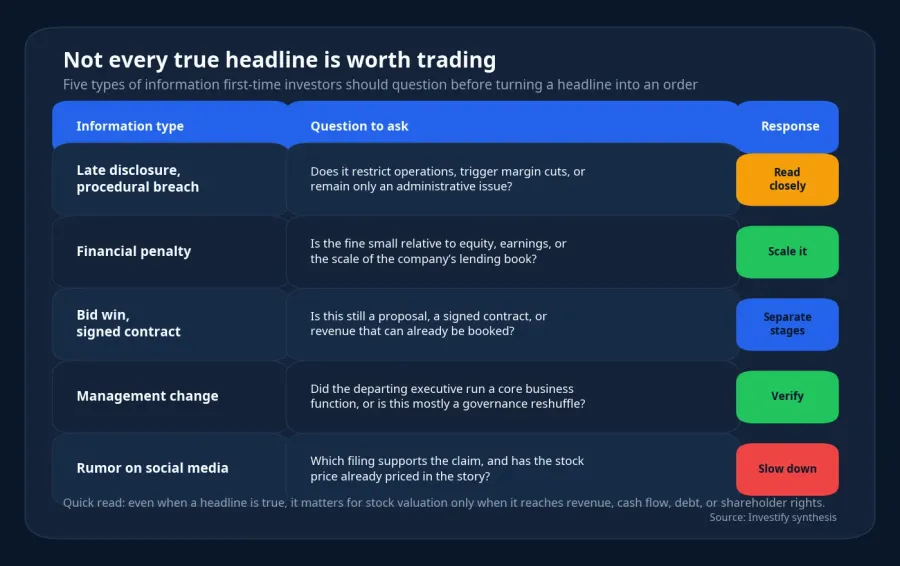
The final warning is when the source document does not say what the circulating headline says it does. A post may claim that a company is “about to launch a project,” while the filing only shows a proposal or consultation step. Another headline may stress that a company was “penalized,” while the body of the story is really about delayed periodic disclosure. In investing, the difference between a proposal, an approval, a signed contract, and booked revenue is a major difference in value.
The real edge for first-time investors is not speed
This matters to your wallet more than many lessons that sound more sophisticated. First-time investors do not have an edge in access to inside information, and they rarely have a speed advantage over professional trading desks. But they still have one real advantage: the right not to act before the verification chain is complete.
That leads to a clear conclusion. A message, a screenshot, or a fast-moving headline should never be treated as a sufficient reason to buy. At most, it is a prompt to start a process: check the source, read the original filing, and measure the effect on revenue, cash flow, debt, or shareholder rights.
If you cannot answer those questions yet, waiting is still the rational position. Being one step slower than the rumor is usually far cheaper than becoming the last buyer in a story you never fully understood.