
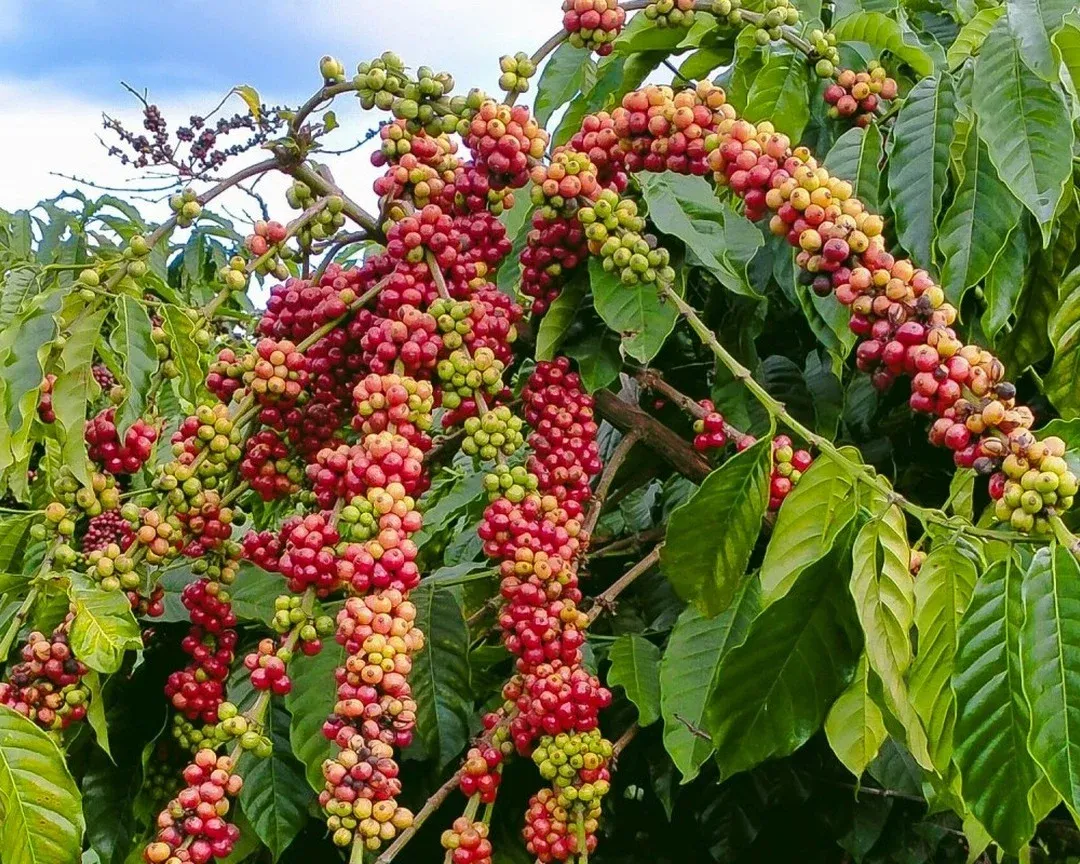

A rebound in coffee futures and a recovery for Vietnam's coffee chain are not the same thing. On the morning of June 11, domestic purchase prices in the Central Highlands were still only VND 84,300 to VND 84,800 per kilogram, down VND 700 to VND 800 from the previous day and still below the VND 85,000 psychological line.Thời báo TC That gap is the core message for newer investors: a one-session bounce on the global screen does not mean farmers, traders, exporters, or related stocks are already seeing the benefit.
The simplest way to think about it is this: futures trade expectations, while the domestic market trades real beans. Those two layers are connected, but they do not move in lockstep. A rebound can show up on the exchange first and still take time to reach the cash market in Vietnam.
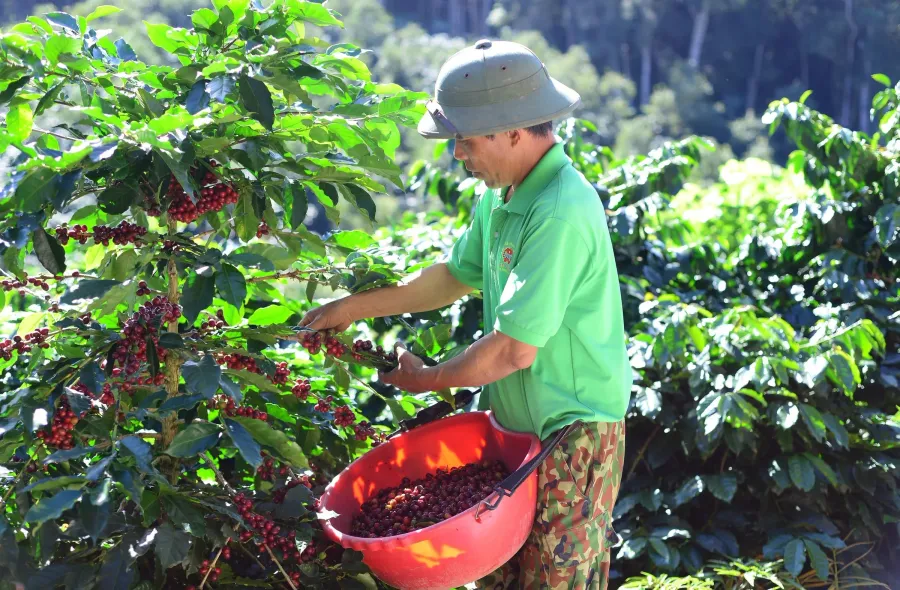
One green session does not change the trend
If you only look at the latest session, the market does offer a reason for short-term optimism. Barchart showed July 2026 Arabica futures up 4.00 US cents per pound, or 1.64%, while July 2026 Robusta futures rose USD 61 per ton, or 1.85%, in the prior session.Barchart Investify's commodity data also showed the reference coffee price rising 1.54% to 244.60 US cents per pound on June 10.
But the more important point is the level from which that bounce started. At 244.60 US cents per pound, the reference price was still about 13.35% below the 282.30 US cents per pound recorded on May 11. Against the start of the year, it was still down roughly 31.54% from 357.30 US cents per pound on January 2. In other words, "rebound" should be read literally here: the market has bounced off a deep decline, not confirmed the start of a new upcycle.
That distinction matters because it is where many first-time investors misread the story. A green print on the futures board can feel like a clean turning point. In commodities, though, price action has to survive beyond the screen. The real test is whether the cash market starts following.
Why futures always move first
Futures markets react quickly to positioning, weather expectations, and hedging flows. If funds cover short positions or traders start worrying about weather risk, prices can jump within hours. A buying agent in the Central Highlands does not reset the purchase board just because New York or London flashes green. That buyer still has to weigh inventories, shipment flows, exporter demand, and contracts already in place.
That is why investors can read about a global bounce while sellers in Vietnam still see prices below VND 85,000 per kilogram. The VND 85,000 line is not a regulatory cap or a formal threshold, but it clearly functions as a psychological marker in the domestic market. As long as prices remain below it, the physical market is still sending a cautious signal rather than confirming a durable floor.
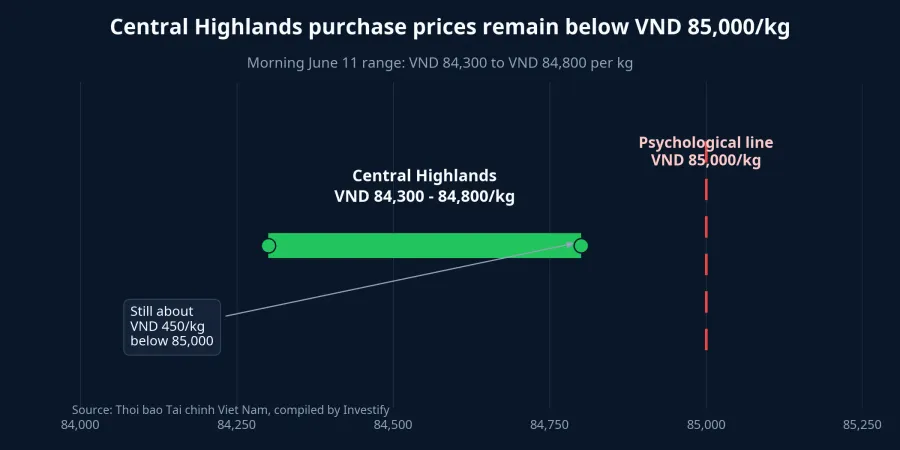
Weak local prices do not mean demand has disappeared. They mean buyers do not yet feel pressure to raise bids aggressively. In coffee, that difference is crucial. A price rise driven by expectations can appear fast. A rise driven by real buying usually arrives later, but it tends to carry more weight.
Brazil is still the biggest cap on the bounce
To understand why the rebound has not filtered through to Vietnam, investors have to look at Brazil. Vietnambiz, citing the USDA, reported that Brazil's 2026-2027 coffee crop could reach 71.9 million bags, up 14% from the prior season.Vietnambiz For a commodity market, expectations of that size are enough to keep buyers cautious even when futures stage a short rebound.
This is where causal discipline matters. A bounce in coffee prices does not automatically mean supply and demand have turned decisively tighter. Some of the move may reflect short covering. Some may reflect weather concerns. But the evidence still points to a market that must absorb expectations of a large Brazilian crop. There are several reasons prices can rise for a day. There is not yet enough evidence to say the move is being driven by a shortage of physical supply.
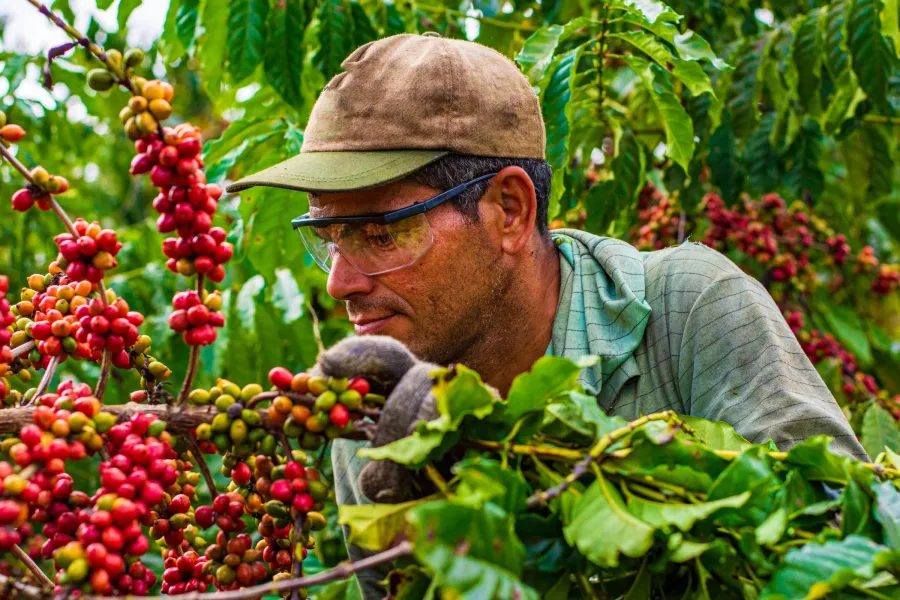
When buyers believe more Brazilian beans will reach the market in the next few weeks, they have little reason to push up Vietnamese cash prices too early. That is why a green session can remain trapped in the expectation layer instead of passing through to actual transactions. For investors, the lesson is straightforward: markets react first to headlines, but they only hold those gains when the physical flow and the money flow confirm the same story.
Cash prices are where the real benefit is tested
From a farmer's perspective, prices below VND 85,000 per kilogram feel disappointing because the market has already seen higher levels recently.Thời báo TC But if growers are not forced to sell immediately, they can hold back part of their inventory. That does not automatically create an instant shortage. It mostly slows transactions and makes dealers even more conservative in setting bids.
For exporters, the picture is more complicated. If a company has already sold forward and hedged, a gap between futures and local purchase prices can help preserve margins. If it has to buy back beans or has already sold at lower levels, that benefit does not appear automatically. In coffee, timing the price lock can matter just as much as the direction of the market.
The export data from the first four months of 2026 makes that pressure visible. Agrideco, citing Vietnam Customs data, said Vietnam exported about 782,000 tons of coffee, up 11.7% year on year, but export revenue fell 9.8% to USD 3.58 billion. Average export prices were about USD 4,575 per ton, down 19.4% from a year earlier.Agrideco
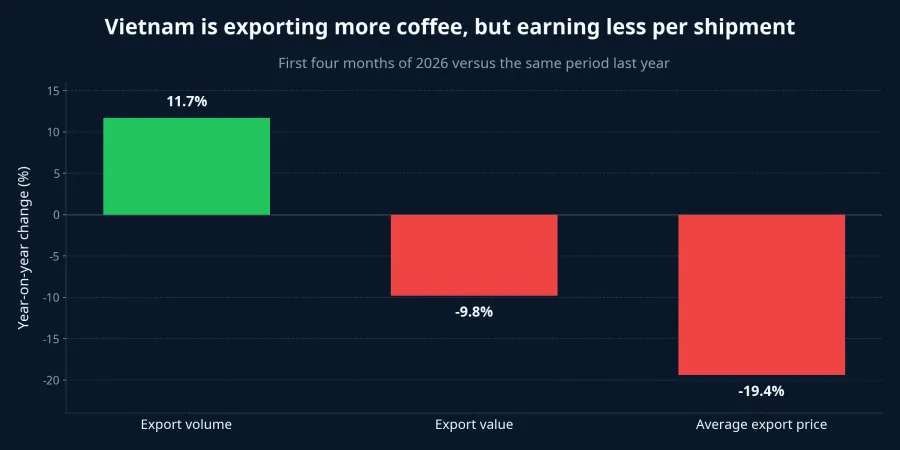
That is the number investors should sit with. Export volume is still rising, but each ton is bringing back less money. For anyone tracking listed coffee-related businesses, higher shipment volume does not automatically translate into better earnings if the average selling price falls faster.
What would confirm a real recovery
The thesis here is simple: the rebound in futures is only the first signal, and Vietnam's physical market has not yet confirmed that the benefit is flowing through the coffee chain. That means it is still too early to read one green session as proof that the domestic industry is on firmer ground.
A more disciplined watchlist has three layers. First, can futures hold the rebound for more than a single day. Second, does the Brazil supply story soften, especially around crop expectations and the pace at which beans reach the market. Third, and most important for Vietnam, do cash prices in the Central Highlands reclaim the VND 85,000 zone through actual transactions rather than through temporary optimism on the exchange.
If those three layers improve together, the rebound has a much better chance of becoming a more durable story for farmers, exporters, and coffee-linked equities. For now, the honest reading is narrower: global coffee prices have become less weak in the very short term, but the ground-level market in Vietnam has not yet confirmed a stable recovery. The key signals to watch over the next one to two weeks are domestic purchase prices, Brazil crop updates, and any change in average export pricing.