
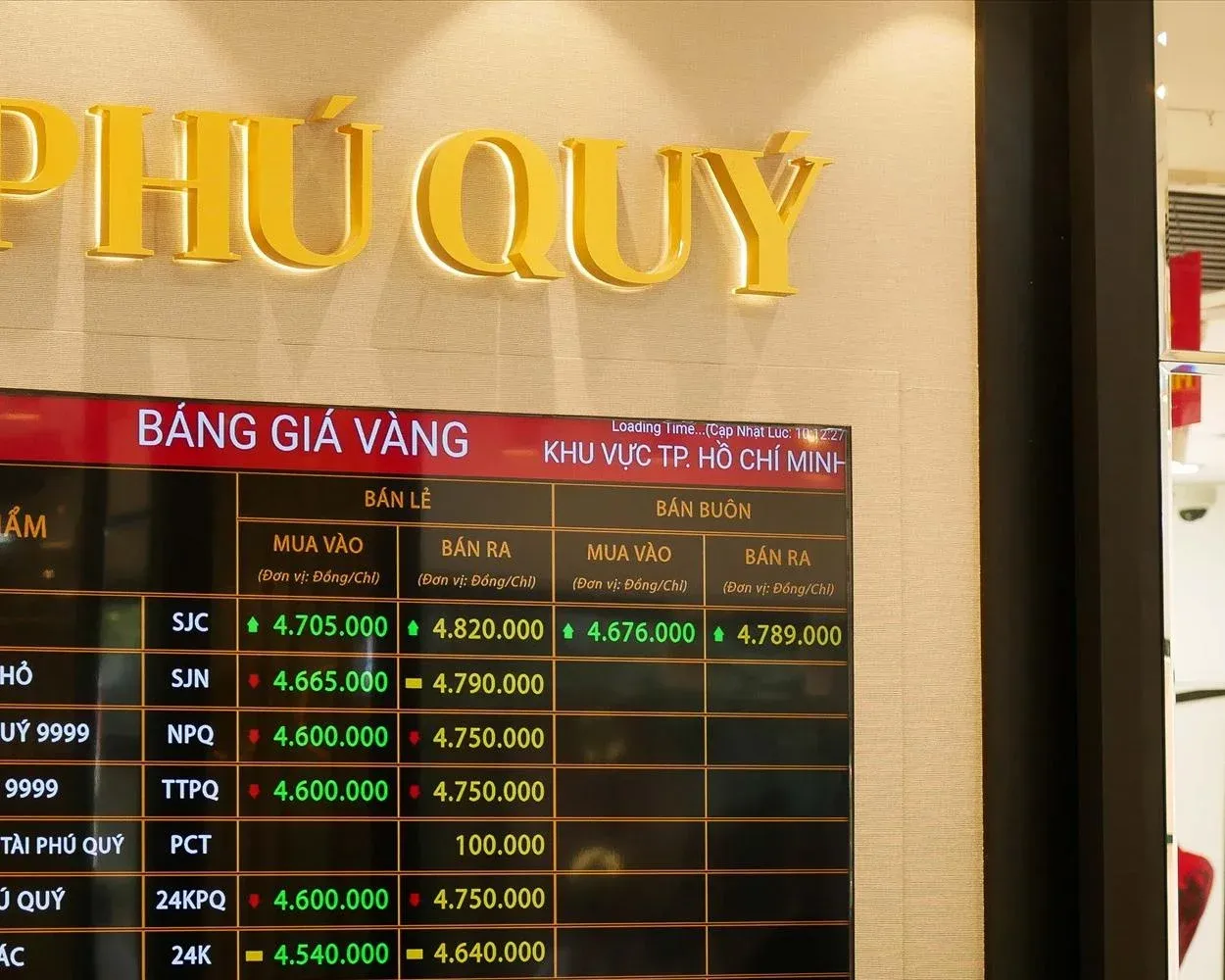

Picture this: it's 8 a.m. on May 28. You open your phone, check the gold price, and see SJC gold selling at VND 160.7 million per tael. Cheaper than yesterday, cheaper than the day before.VOV You bought a few months ago when U.S.-Iran conflict dominated every headline and everyone said: "War means gold goes up." You were confident. This morning, U.S. forces launched airstrikes on Iran just two days ago. Bombs are still falling in the Middle East. And yet the gold in your hands is worth less.
That feeling of confusion is not yours alone. And it points to one of the most counterintuitive lessons in personal finance: gold doesn't respond to the news you're reading. It responds to what the market thinks will happen next.
Two Days, One Puzzling Number
In under 48 hours leading up to May 28, SJC gold prices fell by more than VND 1.3 million per tael.Techz Global gold prices dropped below $4,500 per ounce, hitting their lowest level in nearly two months over two consecutive sessions.VietnamNet The geopolitical backdrop remained hot: U.S. forces carried out strikes on Iranian targets during the same week.NPR
By conventional thinking, escalating conflict should push gold higher, since gold is the classic safe-haven asset. But that conventional thinking only works when you're focused on today's news. Per Báo Quốc Tế, markets had grown increasingly optimistic about the chances of a U.S.-Iran peace agreement, and that forward-looking sentiment — not the airstrikes — was driving prices down.Báo Quốc tế
Markets Buy the Future, Not the Present
Here's a simple way to think about it: gold prices don't reflect what's happening right now. They reflect what investors think will happen over the coming months. The global gold market runs largely on futures contracts, where buyers and sellers are betting on outcomes that haven't occurred yet. When a conflict erupts with no clear end in sight, gold rises because the market is pricing in fear of a still-undefined worst case. When an exit starts to appear — even if the fighting hasn't stopped — the market begins unwinding that fear premium from the price.
U.S. President Donald Trump stated that a deal with Iran was "largely negotiated" and that the Strait of Hormuz could reopen soon.CNBC To be clear: no deal has been signed. Tehran still holds demands over Hormuz and its nuclear program, and significant disagreements remain.CNN But even the signal of "a way out is coming" was enough to pull safe-haven buying away from gold. That's why the May 25 airstrike failed to lift prices. In the market's eyes, it was a move on the path toward a ceasefire, not a sign that the war was spiraling into something bigger.
Gold Peaks Before the Worst Moments Arrive
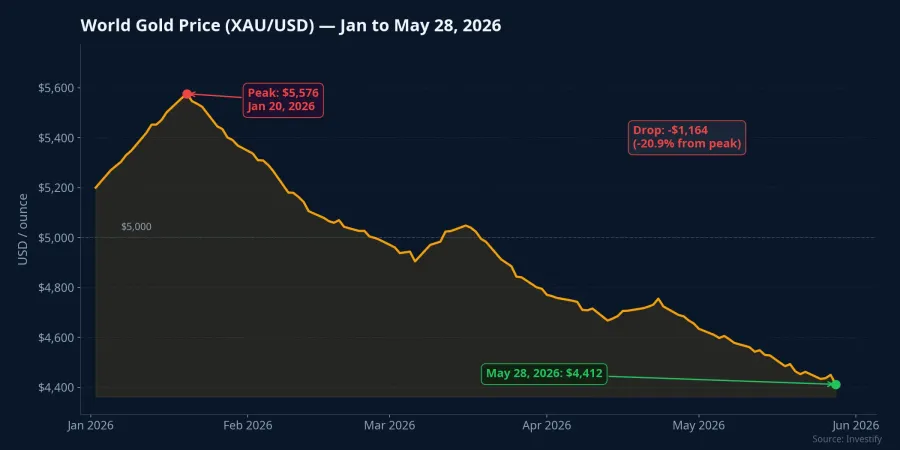
History has shown this pattern many times. Gold tends to reach its peak in the early stages of a crisis, when fear is still vague and no one knows the outcome. After that, even if the conflict drags on, prices cool as the market grows more confident that the worst-case scenario won't materialize. The Gulf War of 1990, the Iraq War of 2003, and the Ukraine conflict in 2022 all followed the same basic script: gold's peak came during the uncertainty phase, not at the moment of most intense fighting.
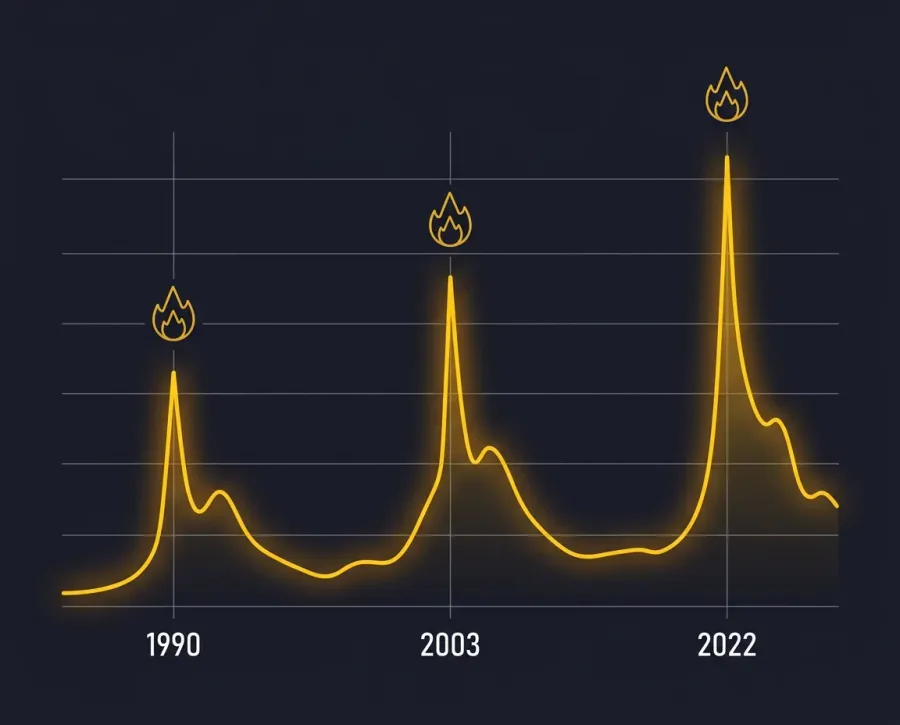
This time is no different. World gold prices hit a high of nearly $5,600 per ounce in January 2026, when Gulf anxiety was at its most diffuse and no resolution was in sight.VietnamNet Since then, despite continued conflict and a period when the Strait of Hormuz was blockaded, global gold prices have slid more than $1,000 per ounce to their current level. Gold peaked before the fighting reached its hottest point, exactly as the expectations-driven market mechanism would predict.
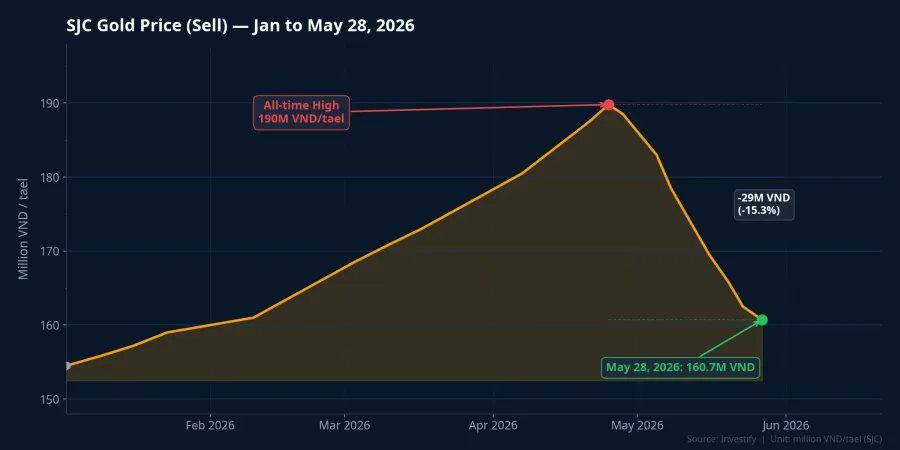
In Vietnam, the story adds its own local layer. SJC gold hit a historic high near VND 190 million per tael earlier this year and has since shed roughly VND 29 million per tael, a decline of approximately 15%.VietnamNet SJC gold moves more slowly and in a narrower range than international gold because of Vietnam's particular domestic supply structure, but the directional story is the same.
News Chasers Usually Buy Near the Top
This is where many first-time investors stumble. When conflict becomes the dominant story on every news outlet and everyone around you is talking about buying gold, the urge to act is at its strongest. But by that point, most of the risk has already been built into the price, often weeks or months earlier. Investors who follow the headlines tend to enter near the peak, then watch prices fall even as the news continues to sound alarming.
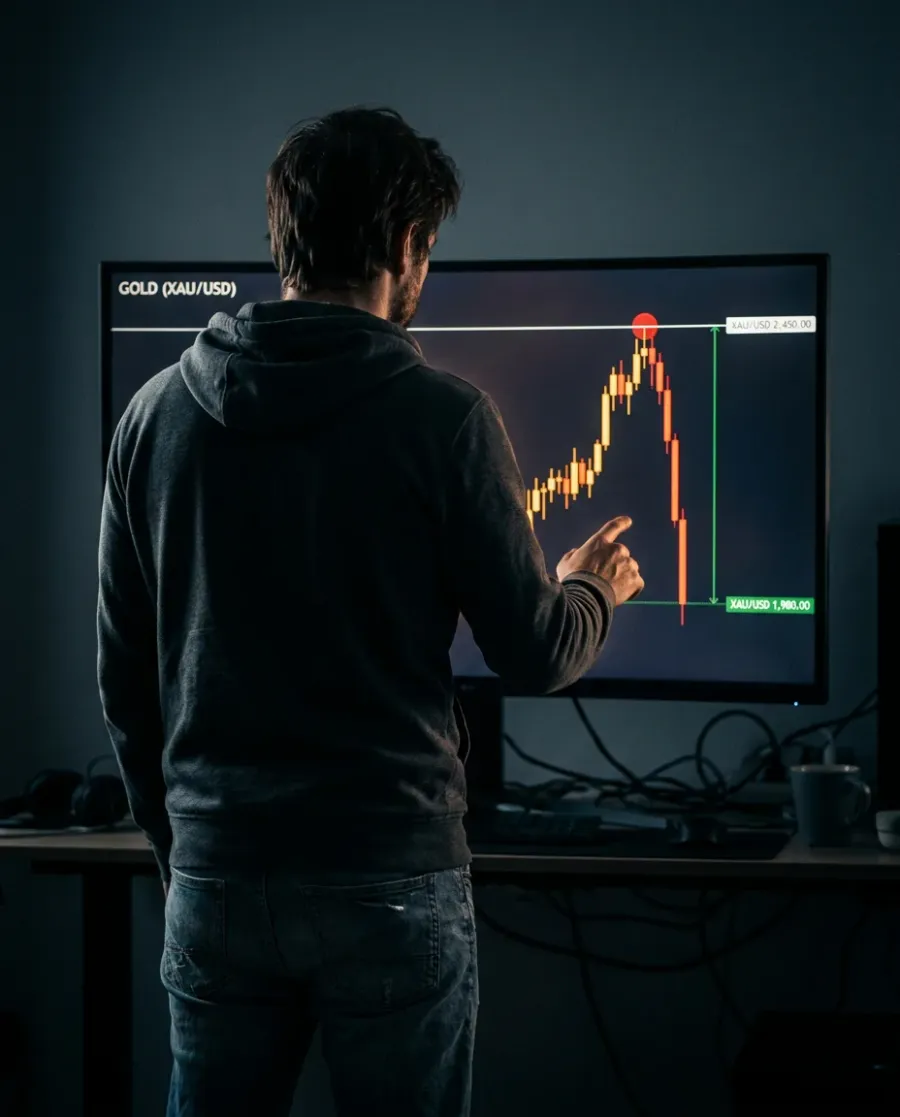
Put simply: the moment you feel the most scared and most compelled to buy gold is usually the moment the market has already finished pricing in that fear. When news gets scary enough for everyone to notice, the market has typically already moved. This isn't a paradox. It's how financial markets are designed to function. Markets try to look ahead, and once everyone is looking in the same direction, the price has already gone there.
Gold Still Has a Place in Your Portfolio: Know What You're Buying
The lesson here isn't "never buy gold." Gold remains a reasonable long-term inflation hedge and a legitimate part of a diversified portfolio, especially when currencies are under pressure or inflation is running high for an extended period. The question is: why are you buying, and when? Those who price in risk early — before it becomes front-page news — tend to buy at better levels and carry less psychological pressure. Those who chase dramatic headlines tend to enter at prices that have already absorbed the full weight of fear.
Looking ahead, gold's direction will depend on the pace of U.S.-Iran negotiations, the strength of the U.S. dollar, and real global yields. If talks stay on track and no new escalation emerges, gold will likely continue trading in a narrow range or drift lower. Conversely, any breakdown in negotiations could reignite safe-haven demand. The risk of a reversal is real, but it requires a specific shock, not just the ordinary continuation of the existing conflict.
For investors currently holding gold, the most useful thing to watch isn't the daily price ticker. It's the negotiating table in the Middle East. Expectations about what happens there, not the sound of gunfire, are what determine the number on your screen each morning. That's why a thoughtful investor doesn't ask "how is the conflict going today?" They ask: "What does the market expect to happen next?"