
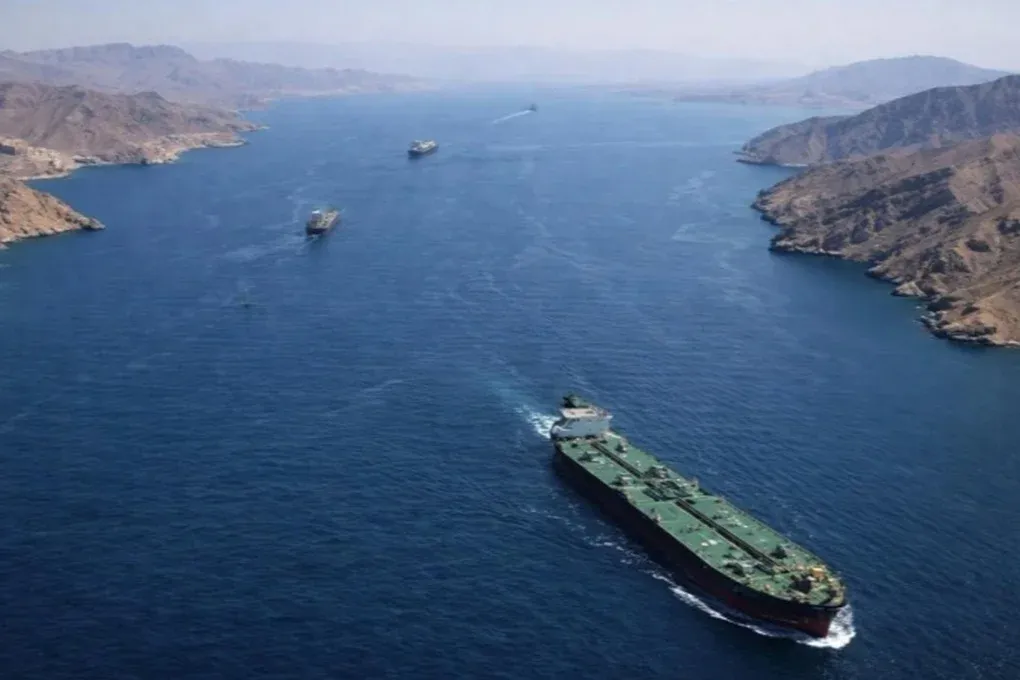

The big picture reveals an energy shock spreading at a pace rarely seen. Since Iran threatened to blockade the Strait of Hormuz — the maritime route carrying roughly 20% of global crude oil — a domino chain has been triggered, from Kuwait cutting production to Vietnamese diesel prices smashing records. Capital flows are shifting, and the question is no longer "will oil prices keep rising?" but "how long can the economy endure?"
Kuwait Cuts Supply, Vietnam Loses Its Largest Crude Source
Kuwait — Vietnam's largest crude oil supplier — was forced to cut production and declare force majeure on oil contracts, as its only export route passes through the Strait of Hormuz.VietnamBiz
Vietnam is particularly vulnerable in this crisis. In 2025, Vietnam imported over 10 million tons of crude oil from Kuwait, valued at more than $6 billion, constituting the dominant share of total crude imports.CafeF This heavy dependence on a single Middle Eastern source means every disruption at Hormuz transmits directly into domestic energy prices. The last comparable event was the 2022 oil crisis, but the current situation is far more severe because supply is physically cut off, not merely fluctuating on trading floors.
Brent Crude Surges 67% in Three Months, Exceeding $109/Barrel
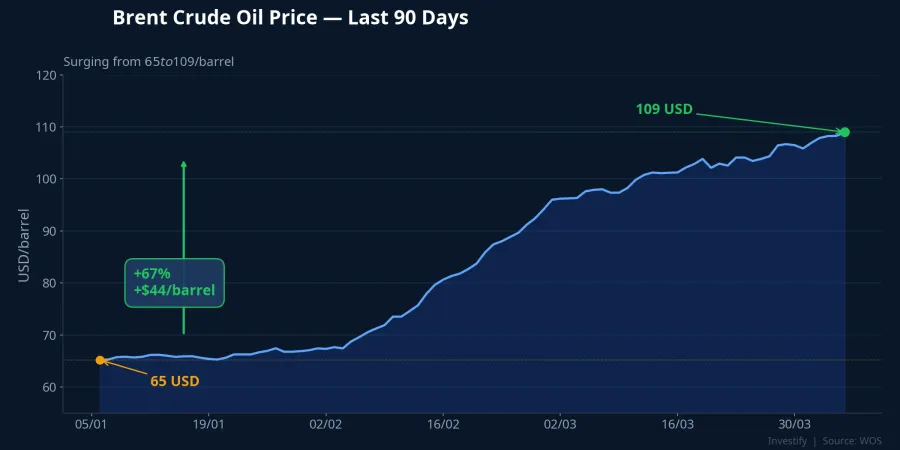
Brent crude rose from around $65/barrel in late January to $109/barrel on the April 2 session.Một Thế Giới This is an exceptionally steep rally reflecting a genuine supply shock rather than a typical speculative cycle.
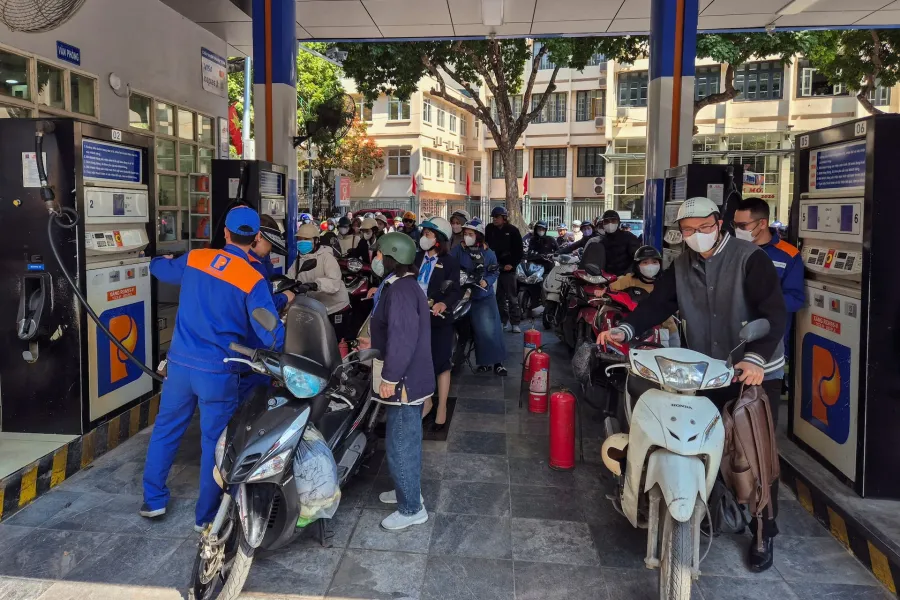
In Vietnam, the impact is immediately visible at retail pumps: diesel 0.001S-V reached VND 44,980/liter (April 3), up 155% over the past three months (from VND 17,660/liter in early January 2026). E5 RON 92 gasoline hit VND 25,420/liter, up 28% in a single month. On April 3, the Ministry of Industry and Trade had to deploy VND 5,000/liter from the price stabilization fund specifically for diesel to cap price increases.Thanh Niên
Stabilization Fund Depleted, Only 15 Days of Policy Space Left
The petroleum price stabilization fund has been activated 9 times in just one month, with an estimated total disbursement of VND 5,300 billion.Techz Although the government has advanced VND 8,000 billion from the central budget under Resolution 69, at the current disbursement rate of VND 4,000/liter for gasoline and VND 5,000/liter for diesel, the fund can only sustain support for approximately 15 more days.VietnamNet
The Ministry of Industry and Trade has committed to ensuring fuel supply through the end of April 2026.Tiền Phong However, the bigger question looms: if the Hormuz blockade continues and diplomacy fails, Vietnam faces a scenario of actual physical supply shortages — not just higher prices, but whether there is enough fuel to sell at all.
March CPI Hits 5-Year High, Transport Costs Up 12.85%
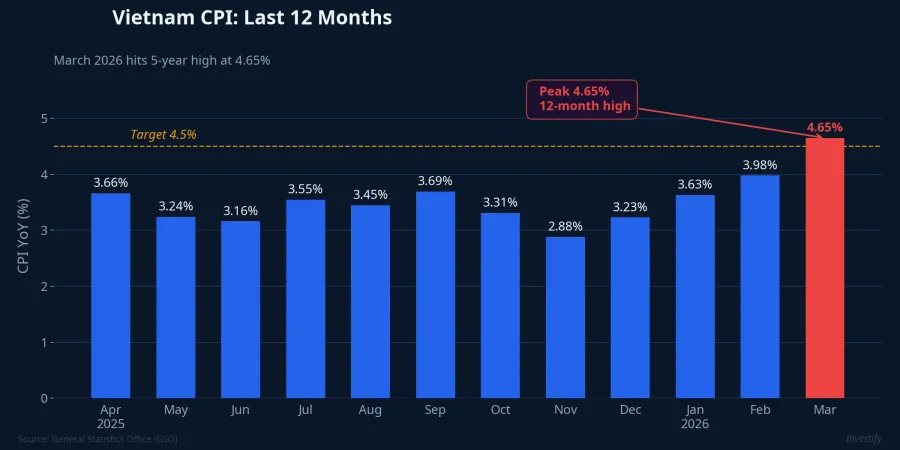
The energy shock has rapidly spread to the general price level. March 2026 CPI increased 4.65% year-over-year, the highest level in 5 years.VnEconomy Within that, the transportation category surged 12.85%, contributing 1.28 percentage points to headline CPI and becoming the primary inflation driver.An Ninh Thủ Đô
A detailed breakdown reveals alarming spillover: airfares rose 23.19%, railways 13.92%, waterway transport 6.51%, and intercity buses 4.32%. This is clear evidence that the diesel shock has permeated the entire transportation chain, and from transport it will continue spreading into consumer goods prices in the coming weeks.
Vulnerability Map: Which Sectors Bear the Heaviest Burden?
Not all sectors are equally affected. Capital flows are shifting dramatically between industry groups, and understanding this "vulnerability map" is essential for portfolio positioning.
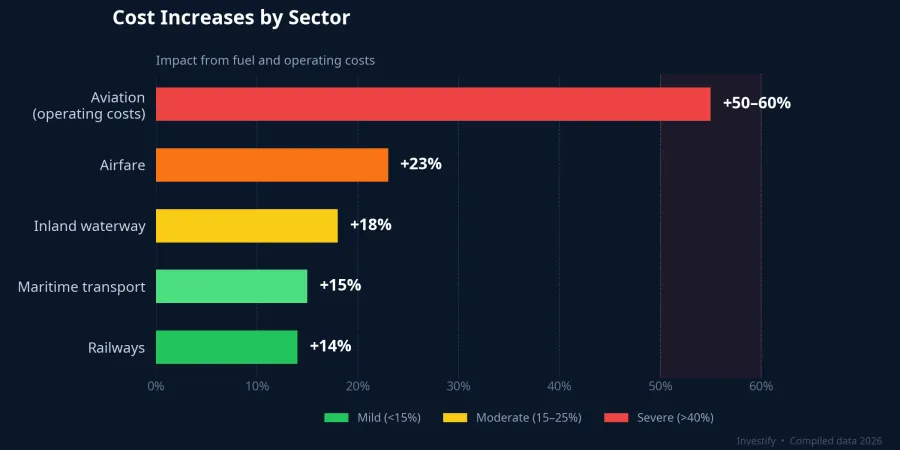
Aviation is on the front line. Jet A1 fuel represents the largest share of airline operating costs. With oil exceeding $109/barrel, aviation operating costs have risen 50-60%. Vietnam Airlines had to cancel 7 routes, while VietJet Air faces declining gross margins due to fuel costs and low load factors on new routes.
Road logistics faces razor-thin margins. Road logistics companies typically operate with gross margins of just 6-17%. With diesel up 155% over three months, profit margins have compressed significantly as freight rates cannot adjust quickly enough. Maritime transport costs have risen approximately 15%, and inland waterway rates increased 18%.Kinh tế Tiêu dùng
Seafood exports face dual pressure. Container shipping rates to Europe have doubled to $8,200 and animal feed prices are rising in tandem with oil. With gross margins of only 6-14%, there is very limited room to absorb higher costs. This is the group where investors need to closely monitor Q1 financial statements to assess the actual extent of margin erosion.
Q2 Will Be the Period of Sharp Divergence
Historically, fuel shocks take 4-8 weeks to fully penetrate freight rates and production costs. Q1/2026 has not yet fully reflected the impact, but Q2 is when the real "energy bill" arrives at corporate doorsteps.
Sectors under pressure include road logistics (margins compressing an additional 0.5-1.5 percentage points), aviation (risk of gross losses on certain international routes if ticket prices are not raised), and seafood exports to distant markets (US, EU). Conversely, beneficiaries include international oil and LPG carriers enjoying higher freight rates, and domestic fertilizer producers benefiting from rising input costs abroad.
Four Indicators to Watch
The big picture shows the Hormuz crisis is not just a fuel price story. It is a stress test for the entire economy's resilience against a systemic energy shock. Four critical indicators investors should monitor closely in the coming weeks:
- US-Iran diplomatic negotiations and the possibility of reopening Hormuz. Any de-escalation signal could pull oil prices down 10-15% quickly.
- Remaining stabilization fund balance after April 15. If depleted, retail prices will jump suddenly by VND 4,000-5,000/liter.
- Q1 financial statements from aviation and logistics companies. This is the first hard data reflecting the actual extent of margin erosion.
- April CPI. If it exceeds 5%, the State Bank of Vietnam will face pressure to raise policy rates, creating an additional layer of risk for the stock market.