
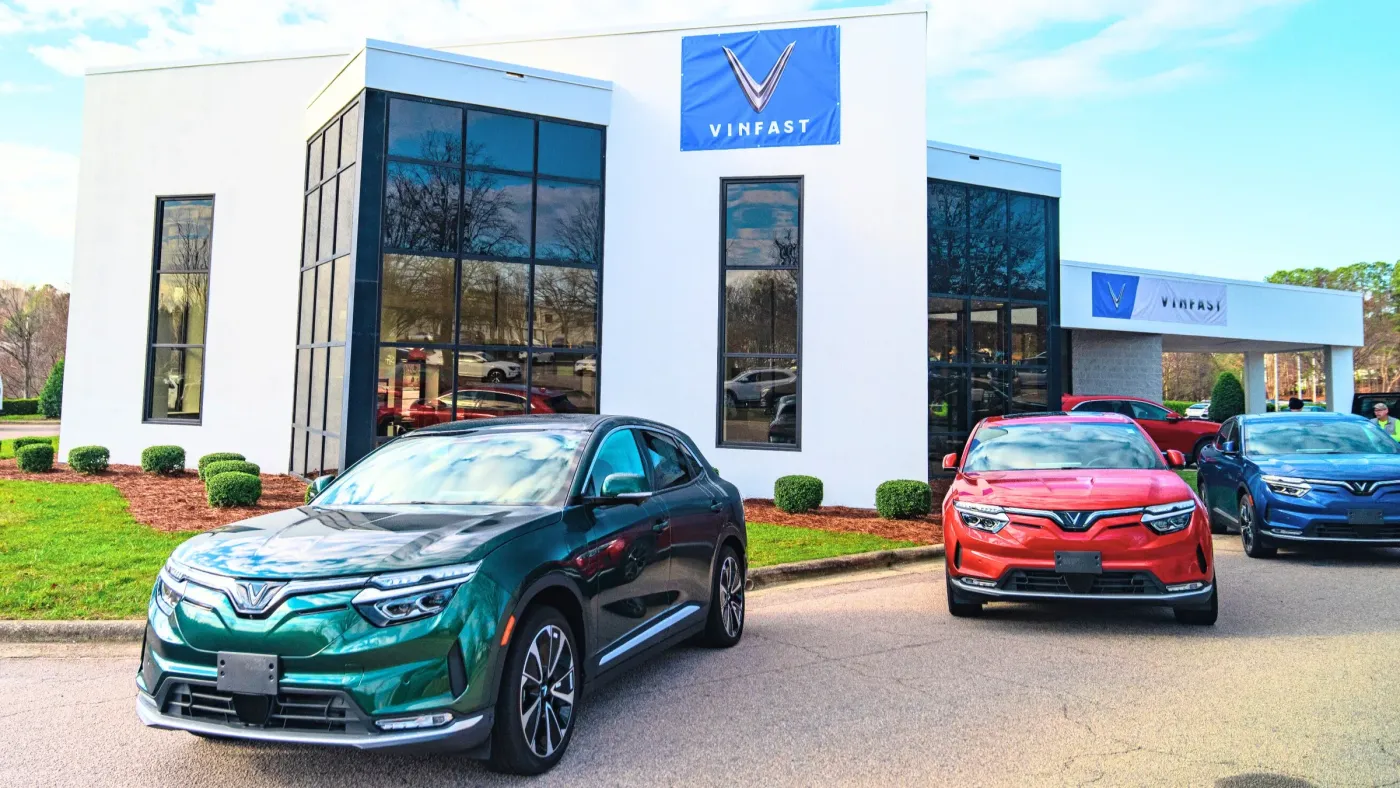

The big picture reveals a troubling paradox: lithium is being repositioned as a strategic resource on par with oil, with prices rebounding over 141% from their mid-2025 lows, while Vietnam continues to import 100% of this critical material for EV battery production. With VinFast targeting 300,000 electric car deliveries globally in 2026, the question is no longer "how many cars can they sell" but "where will the batteries come from."
Lithium: from auxiliary material to strategic resource
Global lithium carbonate surplus in 2026 is projected to narrow to approximately 109,000 metric tons LCE, down from 141,000 tons in 2025, while consumption rises 13.5% to 1.48 million tons.Investing News Lithium carbonate prices currently range between $17–23/kg depending on region, representing a 141% increase from the July 2025 bottom.Trading Economics
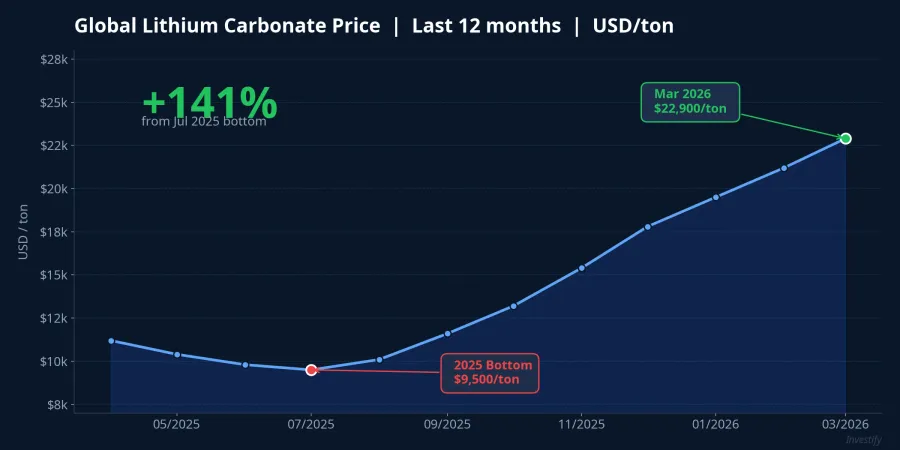
Capital flows are shifting decisively: from the oversupply glut that cratered prices in 2024, the lithium market is rapidly approaching supply-demand equilibrium. Morgan Stanley forecasts a deficit of approximately 80,000 tons LCE as early as 2026, while UBS estimates a more modest 22,000-ton shortfall. The common thread in both scenarios: the era of cheap lithium is over.
China continues to dominate global refining capacity and regularly imposes export restrictions on strategic metals. This factor forces any lithium-importing nation to reconsider its long-term strategy.
Vietnam: no lithium mines, battery supply chain just taking shape
Vietnam possesses no commercially viable lithium deposits. All raw materials for EV battery production must be imported, primarily from Australia and China, at an estimated cost of $300 million annually for 50,000 tons of demand.
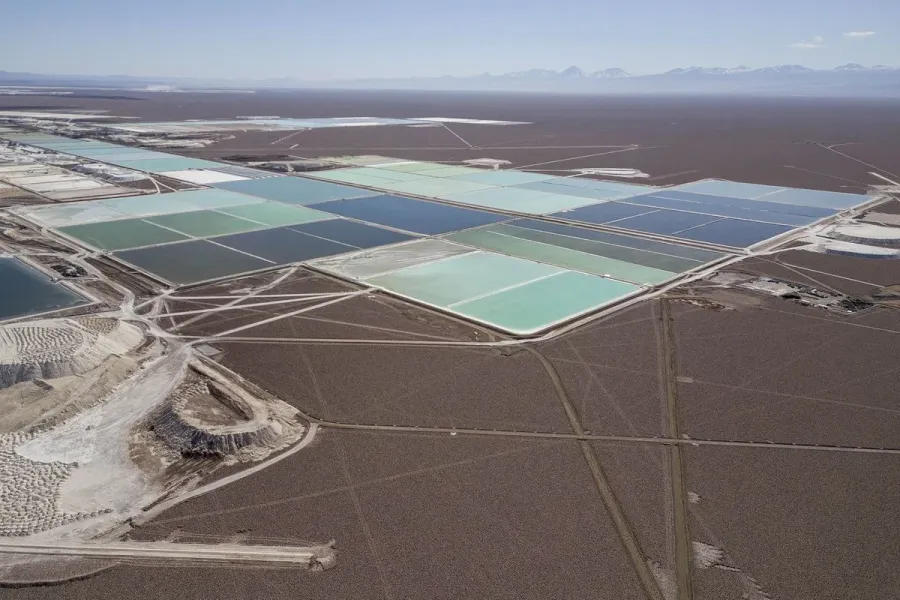
However, the battery value chain is being built from the cell manufacturing stage onward. The VinES–Gotion joint venture has operationalized an LFP cell factory at the Vung Ang Economic Zone in Ha Tinh, with a capacity of 5 GWh/year (equivalent to 30 million cells) and total investment of $275 million.Tuoi Tre The battery pack plant at the same location has shipped over 10,000 units in the first five months of 2025, targeting 100,000 units/year capacity.
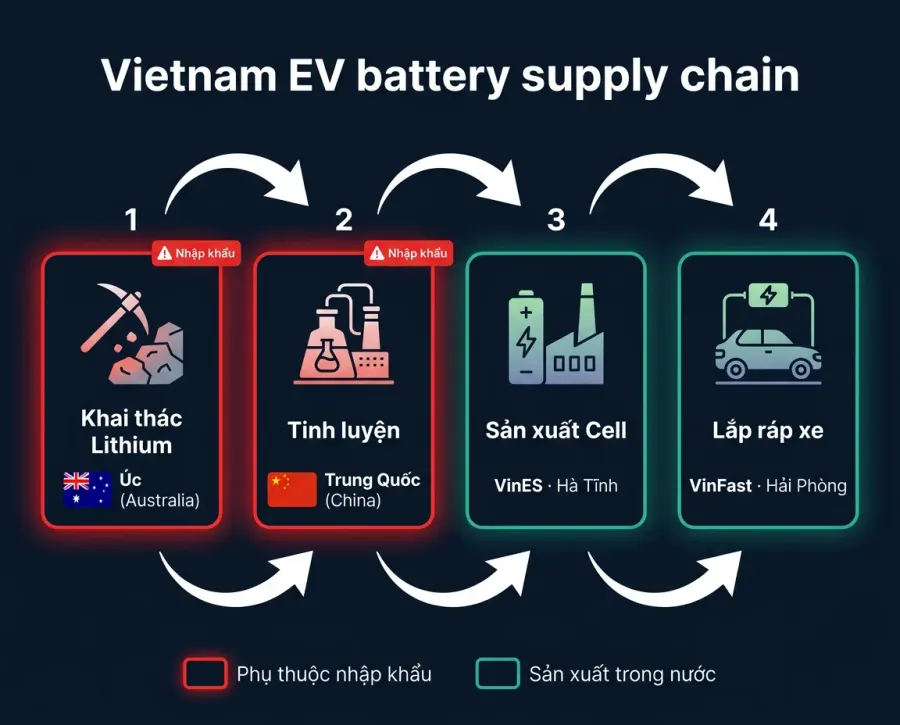
Vietnam's battery market is estimated at $1.13 billion in 2026, growing at 10.09% CAGR and projected to reach $1.83 billion by 2031.Mordor Intelligence These figures highlight the potential, but also reflect the reality that most of the value chain remains outside Vietnam's borders. Raw materials (lithium, cathode, anode) account for 65% of the chain's value and are almost entirely import-dependent.
VinFast sets records, but raw material risk grows with ambition
VinFast targets 300,000 global electric car deliveries in 2026, alongside 1 million electric scooters in Vietnam.CafeF In March 2026 alone, the company set a record with 93,000 electric scooter deliveries and 135,000 new orders, with Hanoi accounting for over 20,000 units in a single month.Techz
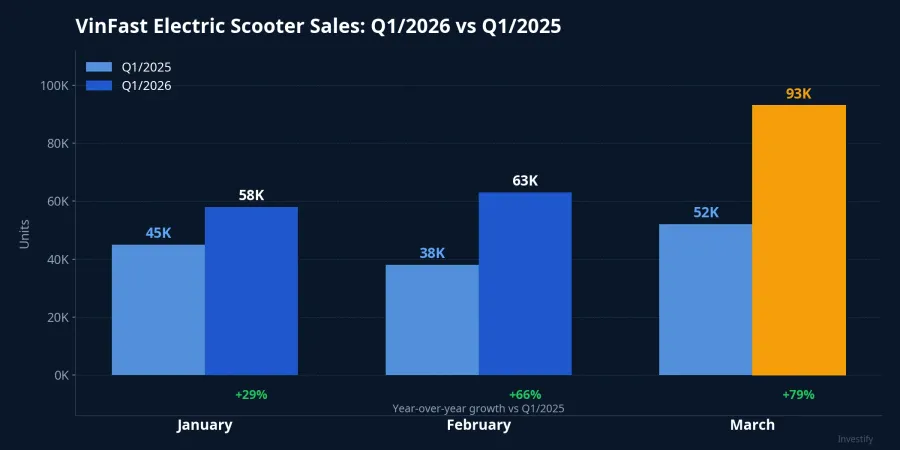
In 2025, VinFast achieved sales of 175,099 vehicles, equaling the combined total of Vietnam's three largest automakers, with annual revenue exceeding VND 90 trillion.VOV At this growth rate, VinFast expects to reach breakeven in 2026.
However, production ambitions also mean proportionally greater raw material exposure. When lithium prices fluctuate ±20%, the cost per kWh of battery can swing from $6.7 to over $12/kWh. Combined with the USD/VND exchange rate currently above 26,000, every 5% currency movement directly impacts production margins.
Hanoi bans gasoline scooters from July 1, 2026: catalyst or pressure point?
Hanoi will pilot a low-emission zone across 9 inner-city wards within Ring Road 1 starting July 1, 2026, banning gasoline scooters during designated hours.VnExpress The scope will expand to all of Ring Road 1 and parts of Ring Road 2 by 2028, then Ring Road 3 inward by 2030.
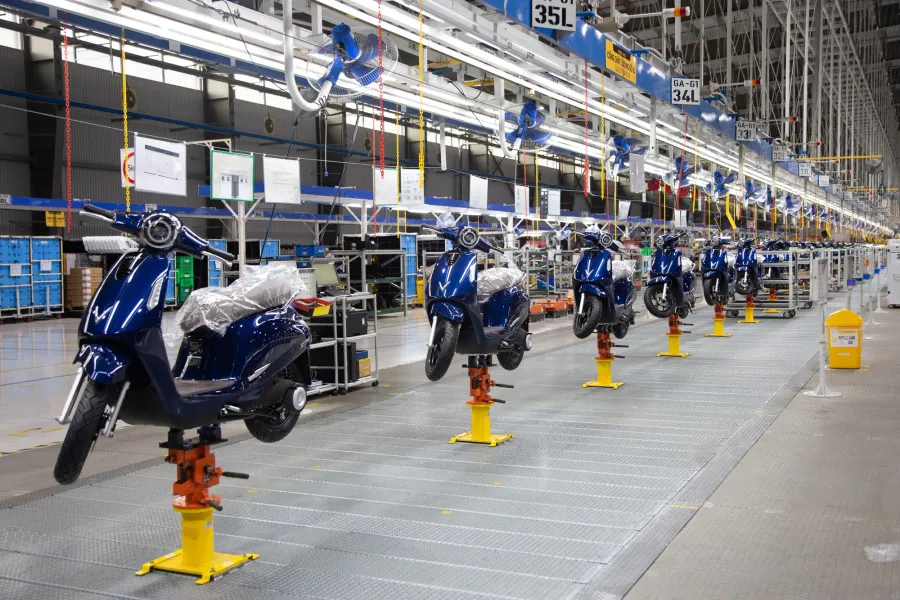
This policy partly explains the record 20,000 VinFast electric scooters delivered in Hanoi during March alone. If Ho Chi Minh City and Da Nang follow similar timelines, electric vehicle demand will grow exponentially. But the flip side is equally clear: when demand outpaces domestic battery production capacity, lithium import dependency only deepens. The last time a market saw surging demand without controlling input supply, production costs eroded much of the corporate profit margin.
What should investors watch?
VIC (Vingroup) shares are trading around VND 140,000/share (April 3 session), with a market cap of approximately VND 1,078 trillion. Vingroup targets VND 25 trillion in profit for 2026, a 126% increase, with VinFast being the key driver of the conglomerate's outlook.
Over the next 3–5 years, the critical factors to monitor include:
- International lithium prices and USD/VND exchange rate: two variables with direct impact on battery production costs and VinFast margins. Every 10% lithium price increase can meaningfully affect the cost per vehicle.
- VinES factory expansion progress in Ha Tinh: the key to reducing import dependency. If cell capacity reaches 10 GWh/year, VinFast could self-supply 40–50% of domestic battery needs.
- Urban EV policies across major cities: Hanoi leads the way; each city adopting a low-emission zone creates incremental demand for VinFast.
- Related stocks: beyond VIC, investors may track PAC (Southern Battery, VND 4,250 billion revenue in 2025) and PHN (Hanoi Battery) — while not yet pivoting heavily to EV batteries, these companies could benefit indirectly from the electrification wave.
- Charging infrastructure and battery recycling: two segments with significant white space in Vietnam, creating long-term investment opportunities for both corporations and individual investors.
The big picture shows Vietnam entering the vehicle electrification race at an impressive pace, but the Achilles' heel lies in raw material inputs. The equation for VinFast — and Vietnam's entire EV industry — is not just about how many cars they can sell, but about securing a sustainable battery supply in a world where lithium is becoming "the new oil." Smart money will be watching both sides of this equation closely.