


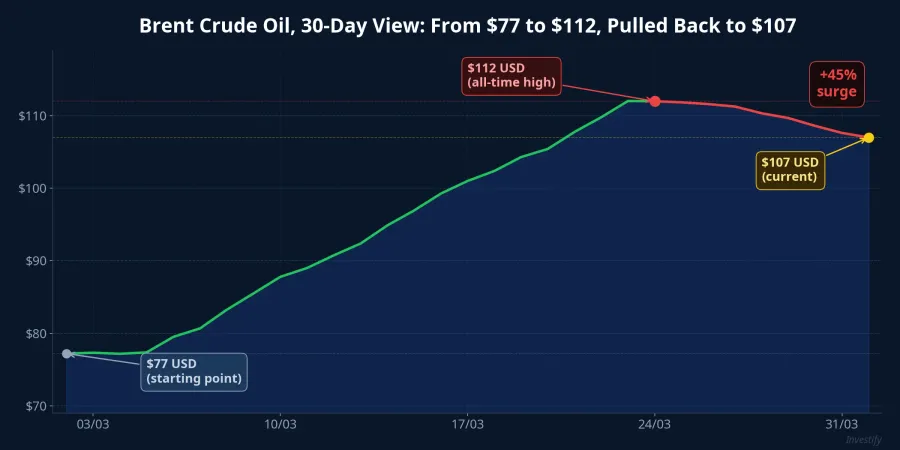
The big picture shows global energy markets just experienced one of their most volatile months since the pandemic. Brent crude surged over 45% in just four weeks, climbing from the $77 range to a peak of $112.57, before suddenly reversing as US-Iran diplomacy signaled a potential de-escalation. The question now is not whether oil goes up or down, but where capital flows will shift on Vietnam's stock market.
A Dramatic Month in Oil Markets
After nearly a month of continuous escalation, Brent crude suddenly plunged when US President Donald Trump declared that negotiations with Iran were going "very positively" and ordered a 10-day suspension of strikes on Iranian energy facilities. On March 23, Brent dropped nearly 11% to $99.94 per barrel before staging a partial recovery.CNBC
By the March 31 session, Brent closed at $107.35 per barrel, down roughly $5 from the $112.57 peak recorded on March 27. The range of $99 to $115 within just two weeks demonstrates that energy markets are entirely driven by diplomatic signals. Every tweet, every statement from Washington or Tehran can move oil prices by double digits within hours.
Wall Street Surges, Asia Splits
Capital flows are moving in two opposing directions across the Pacific. On the night of March 31, US equities posted their strongest gains since May on expectations that the Iran conflict would end soon.CNBC The Dow Jones rose 1,125 points (+2.49%) to 46,341, while the S&P 500 gained 2.91% to 6,528. However, the broader picture matters: for all of Q1 2026, the S&P 500 is still down 5.3%, its worst quarter since 2022.
While Wall Street celebrated, South Korea's KOSPI fell to the 5,000 level, dropping nearly 4% in a single session due to heavy foreign selling (733.8 billion won) combined with Micron Technology's 9.88% collapse dragging the semiconductor sector down.Seoul Economic Daily From its peak of 6,300 points a month ago, the KOSPI has lost over 1,300 points. This divergence between the US and Asia is a concerning signal for emerging markets, including Vietnam.
The VN-Index closed at 1,674 points on March 31, up a modest 0.72%. This tepid gain suggests domestic investors remain cautious, waiting for clearer signals from the diplomatic front.
BSR Hits Floor Price: The Refinery Paradox
The most notable stock in the April 1 morning session was BSR (Binh Son Refining), which dropped 5.15% to VND 27,650 with trading volume exceeding 20 million shares, double its 5-session average. Many investors wondered: if oil prices fall, input costs decline, so why is BSR being sold off?
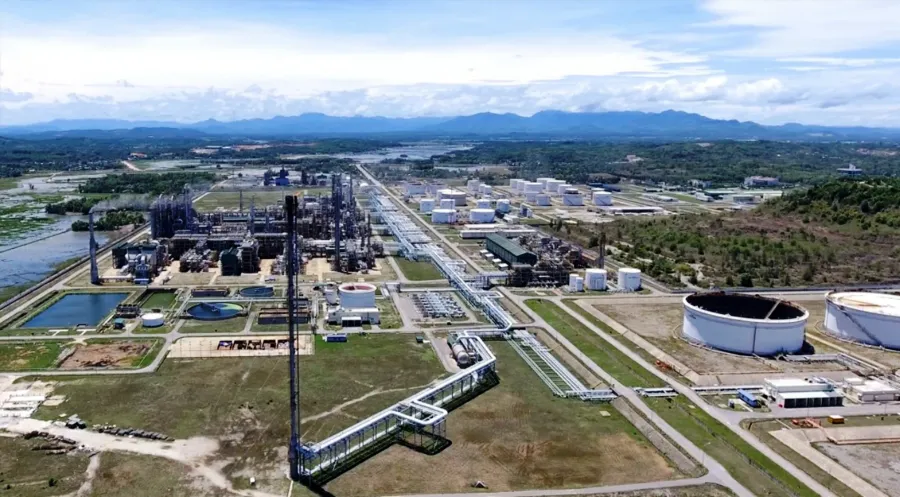
The answer lies in the unique business model of oil refining. BSR purchases crude oil to refine into finished petroleum products, and profitability depends on the crack spread, the difference between the selling price of products and the purchase price of raw materials. When crude oil prices drop suddenly, crude inventory purchased at high prices loses value, while product selling prices also get dragged down. In other words, BSR is sitting on a mountain of inventory bought at peak prices, and its margins are being squeezed from both sides.
Three Sectors Set to Benefit from Cooling Oil Prices
If US-Iran negotiations genuinely progress and oil sustains its downward trend, capital flows will visibly shift toward three sectors that bore heavy pressure throughout March.
Aviation: Margin Recovery in Sight
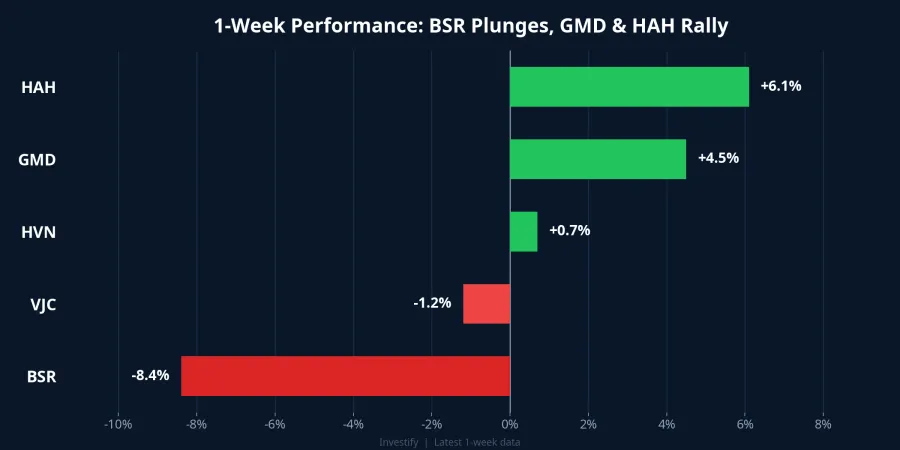
Vietnam Airlines (HVN) and Vietjet (VJC) faced intense pressure throughout March as fuel costs account for 30-40% of operating expenses. Vietnam Airlines was forced to cut 7 routes and 1,700 flights per month starting in April to cope with surging fuel prices.Vietstock VJC currently trades at VND 156,100 and HVN at VND 21,300. Both declined slightly over the past week but have not fully priced in the oil cooling scenario. If Brent drops below $100, aviation margins could improve by 3-5 percentage points.

Maritime Transport and Logistics: Container Rates Could Drop Sharply
Gemadept (GMD) rose 1.27% to VND 79,500, while Hai An (HAH) gained 1.25% to VND 56,700 in the latest session. Container shipping rates doubled when the Strait of Hormuz was blockaded; if the shipping lane reopens, transportation costs will decline significantly, supporting margins for the entire sector. This group reacts fastest to a peace scenario at the Strait of Hormuz.
Consumer and Retail: CPI Pressure Easing
Domestic diesel prices surged over 50% in March, pushing bus ticket prices up by as much as 36%. Cooling oil prices would ease CPI pressure, giving the State Bank of Vietnam room to maintain stable monetary policy. This indirectly supports the consumer and real estate sectors, which are sensitive to interest rate movements.
Do Not Celebrate Too Soon: Three Risks to Watch
Despite positive negotiation signals, investors must maintain risk management discipline in the face of three factors that could reverse at any moment.
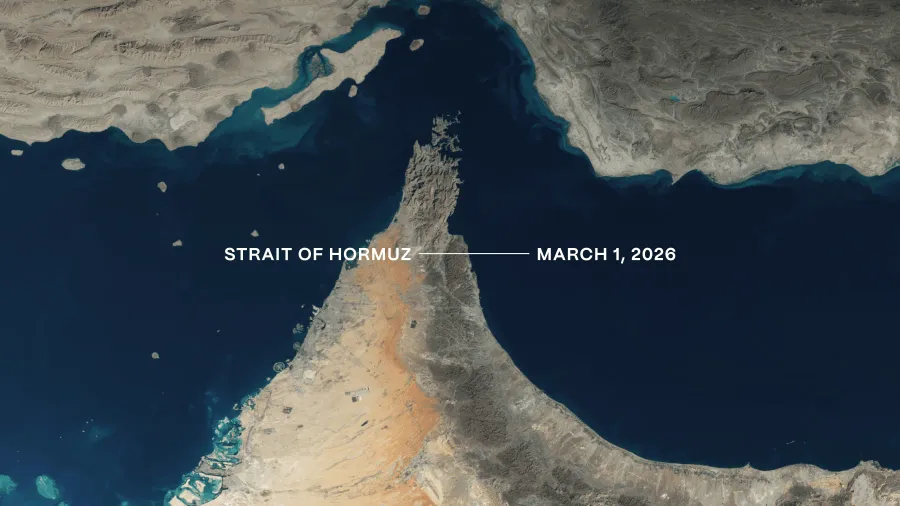
First, Iran has denied direct negotiations with the US, and oil prices immediately surged nearly 6% following this statement. Diplomatic developments can reverse direction after a single tweet. Second, the Strait of Hormuz remains closed, meaning 20% of global oil supply is still disrupted. Trump has warned he will bomb Iranian energy facilities if Hormuz is not reopened before his deadline. Third, the KOSPI's plunge from 6,300 to 5,000 points could spread to other emerging Asian markets if foreign capital outflows continue.
Stocks to Watch Today
The April 1 trading session opens with multiple crosscurrents. Wall Street's strong gains support sentiment, but the KOSPI plunge and unpredictable oil price swings create a challenging landscape.
BSR faces continued selling pressure if oil drops further; investors should monitor the crack spread to assess price support levels. VJC and HVN could benefit if market sentiment shifts toward long-term oil decline expectations. GMD and HAH already gained modestly in the previous session and may continue to find support if the Hormuz reopening scenario becomes clearer.
In the current environment of extreme volatility, the top priority is monitoring US-Iran negotiation developments and oil price reactions during the session. Capital flows are shifting, and investors who read the direction correctly will hold the advantage.