
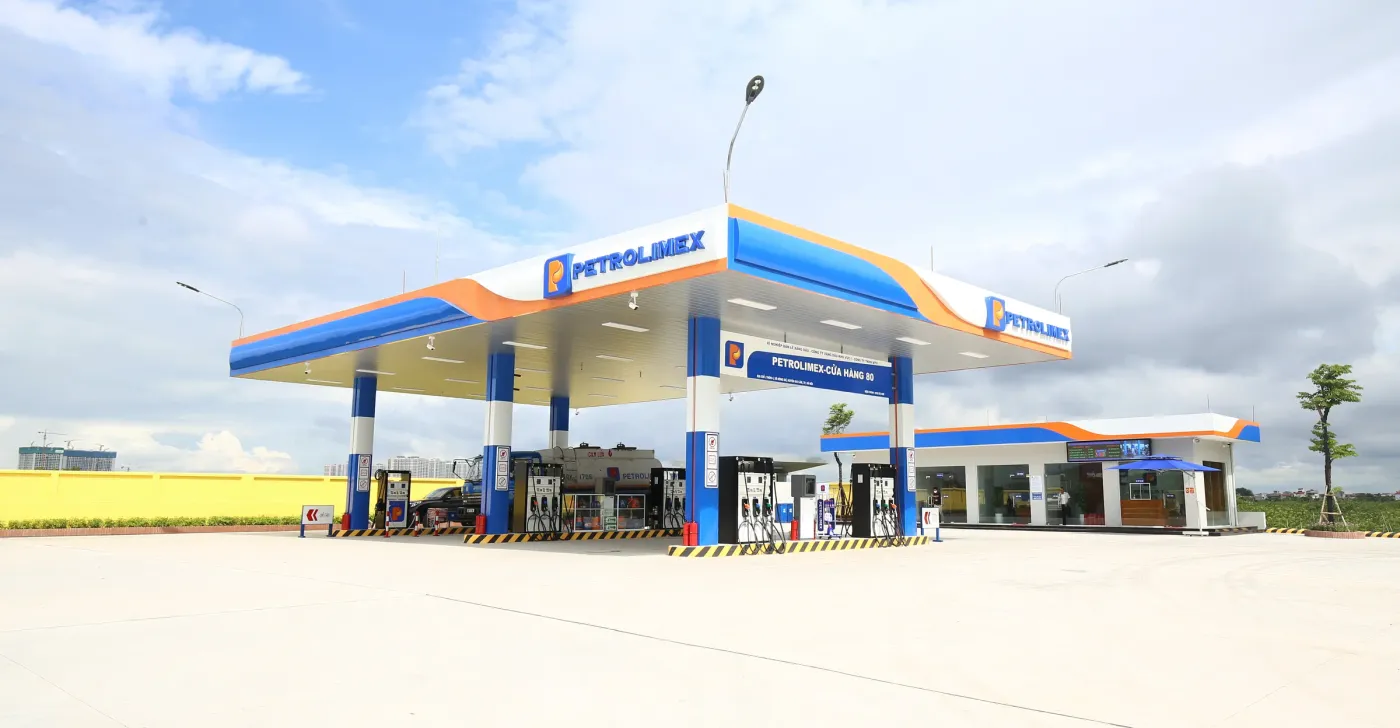

The big picture shows that March 2026 was no ordinary fuel price hike. When diesel — the lifeblood of Vietnam's entire domestic logistics system — surged over 50% in just four weeks, the domino effect rippled from gas stations to bus terminals, from wholesale markets to the stock exchange. Capital is shifting, and transport stocks are telling a very different story from the VN-Index recovery.
Six Adjustments, One Historic Shock
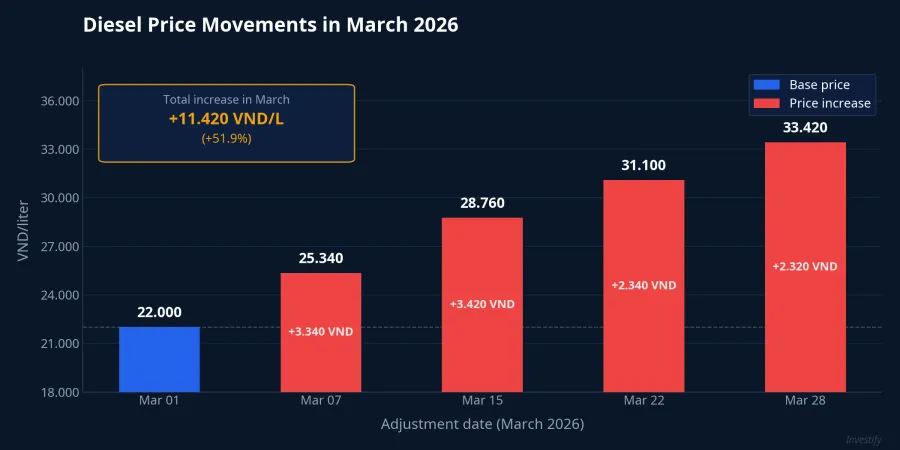
Retail diesel prices went through at least 6 consecutive adjustments in March, climbing from around 22,000 VND/liter at the end of February to a peak of 33,420 VND/liter on March 19 — a cumulative increase of over 50%.Petrolimex The last time the market saw diesel prices rise this fast was during the Russia-Ukraine conflict in 2022, when Brent crude exceeded 120 USD/barrel. This time, the trigger came from tensions at the Strait of Hormuz pushing Brent above 115 USD/barrel, compounded by supply disruptions from the Middle East.
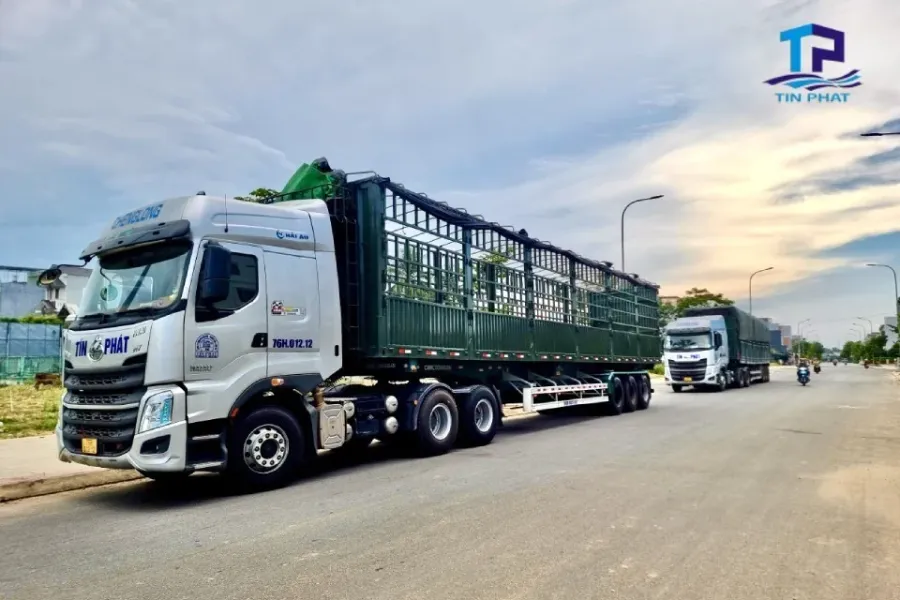
While consumers typically track RON95 gasoline prices, it is actually diesel that powers the entire domestic freight network — from intercity trucks and container haulers to railways. When diesel rises, shipping costs for virtually every commodity follow suit.
Fares Up to 36%, Small Operators Slashing 70% of Routes
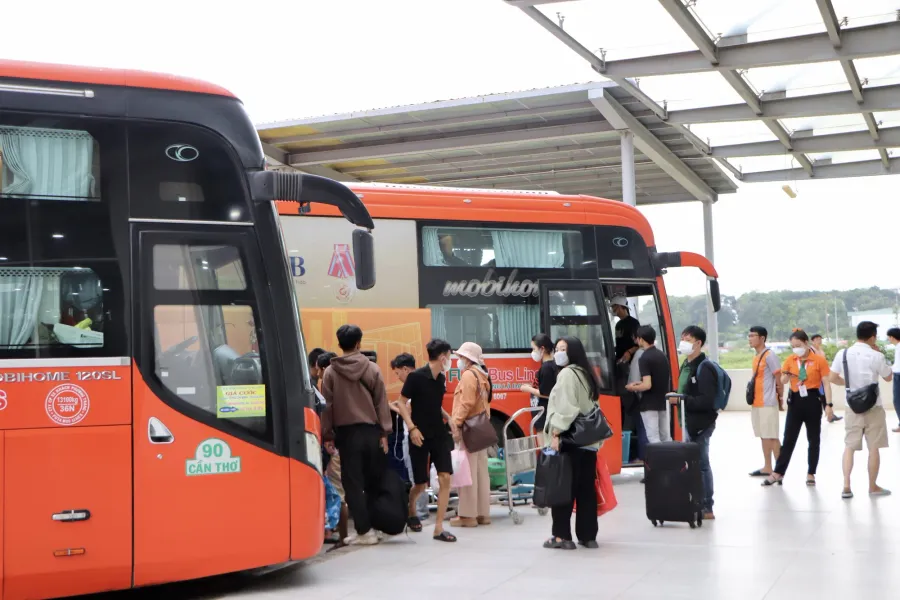
The most immediate consequence hit passenger transport fares. By the end of March 2026, hundreds of transport companies across 30 of 34 provinces had announced fare increases. In Ho Chi Minh City alone, 15 operators filed price hikes across 96 routes with increases ranging from 5% to 36%, while carriers in Dak Lak, Dong Nai, and Hanoi reported increases of 30-50%.Thanh Nien
More concerning, some small operators were forced to cut 50-70% of their routes as fuel costs exceeded their break-even threshold. Vietnam Railways also made consecutive adjustments — 4 times in March alone, with total passenger fare increases of approximately 15% and freight rates up 19%.VietnamPlus The Ministry of Construction issued Decision 418/QD-BXD, establishing a national inspection task force to prevent unreasonable fare hikes.
The Domino Chain: From Diesel to CPI
Capital flows are passing through multiple intermediary layers, and each layer adds cost. Meat, vegetables, construction materials — everything moves on diesel-powered trucks. When transport costs rise, consumer goods prices inevitably follow, creating direct pressure on the CPI.
February 2026 CPI already climbed to 3.35% year-over-year — the highest in months. With the March diesel shock, average inflation for 2026 could reach 3.5-4.5% across the three scenarios analysts have outlined.Dan Tri Diesel is not just a driver's problem — it is the fuse for cost-push inflation, putting pressure on the State Bank of Vietnam's interest rate policy heading into Q2.
Transport Stocks: Sharp Divergence, HAH Down 15%
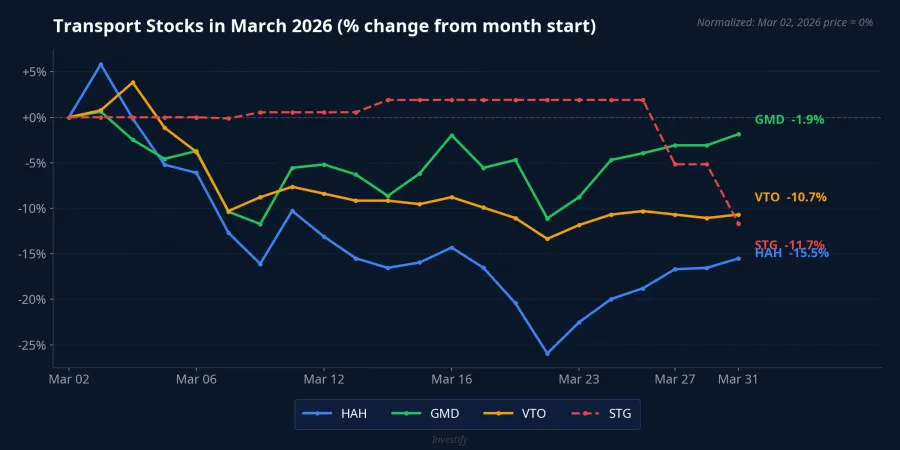
While the VN-Index gained nearly 12 points on March 31 to reach 1,674, transport stocks painted a starkly different picture. HAH (Hai An Transport) led the decline with a roughly 15.5% drop for the month, falling from 67,100 to 56,700 VND, accompanied by surging sell-side volume. STG (Southern Logistics) fell over 11.7%, despite extremely thin liquidity of just 100-500 shares per session. VTO (VITACO Petroleum Transport) dropped approximately 10.7%, suffering a dual impact from both fuel costs and petroleum shipping risks.
The sole bright spot was GMD (Gemadept) — down only about 1.9%, maintaining relative strength thanks to its deep-water port model that has minimal fuel dependency. This divergence reflects a crucial principle: fuel costs can represent 20-33% of COGS for self-operated transport companies, while port operators — which charge fixed fees — are far less exposed.
Government Response: Zero Tax, 8,000 Billion VND Stabilization Fund
Facing mounting price pressure, the government deployed three unprecedented measures simultaneously. First, the environmental protection tax was reduced to 0 VND/liter from March 27 through April 15, 2026, costing the budget approximately 7,200 billion VND per month. Second, petroleum import duties were cut to 0% on the same date, expanding supply sources. Third, 8,000 billion VND was injected into the Price Stabilization Fund from the central budget — the first time in the fund's history.
However, these measures are purely short-term. If crude oil remains above 110 USD/barrel, the stabilization fund will be depleted rapidly — as of March 19, its balance stood at only about 2,600 billion VND. The bigger picture still depends on geopolitical developments in the Middle East and OPEC+'s willingness to adjust production quotas.
Strategic Outlook for Investors
Are transport stocks down 10-20% in a month a buying opportunity? The answer hinges on two critical variables: companies' ability to pass costs through to freight rates, and the timeline for oil prices to cool down. Currently, profit margins are being severely eroded, small operators are slashing routes, and CPI is trending upward — all creating a negative spiral for pure-play transport names.
Smart money is drawing a clear line between two groups: pure transport plays (HAH, VTO, STG) face heavy pressure as fuel costs eat directly into margins, while port operators like GMD — collecting fixed fees with no diesel dependency — offer a better defensive position. Investors should exercise caution in bottom-fishing pure transport stocks until there are clear signals that oil prices have peaked and begun to reverse.