

Oil Diplomacy — When the Prime Minister Takes Urgent Action
This policy marks a new chapter for Vietnam's energy security. With Brent crude surpassing $95 per barrel and no signs of the Middle East conflict cooling down, Prime Minister Pham Minh Chinh launched an unprecedented energy diplomacy campaign. Within just two days on March 16-17, he held back-to-back calls with the President of Angola to request increased crude oil and natural gas supplies, while also meeting ambassadors from the UAE, Japan, and Qatar.Tien Phong
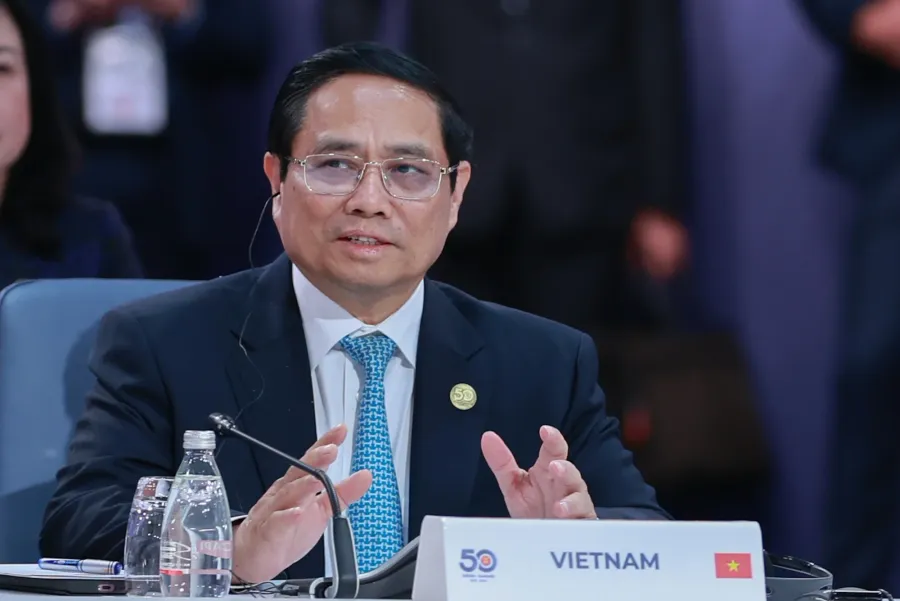
Most notably, the Prime Minister asked Japan to give Vietnam access to approximately 80 million barrels of oil from reserves that Tokyo was considering releasing to cool the market.Tuoi Tre The frequency and scale of these diplomatic contacts reveal how urgently the government views the situation — this is not routine diplomacy but a policy response to real supply disruption risks.
The Nghi Son Strategic Reserve — A Milestone in the Long-Term Roadmap
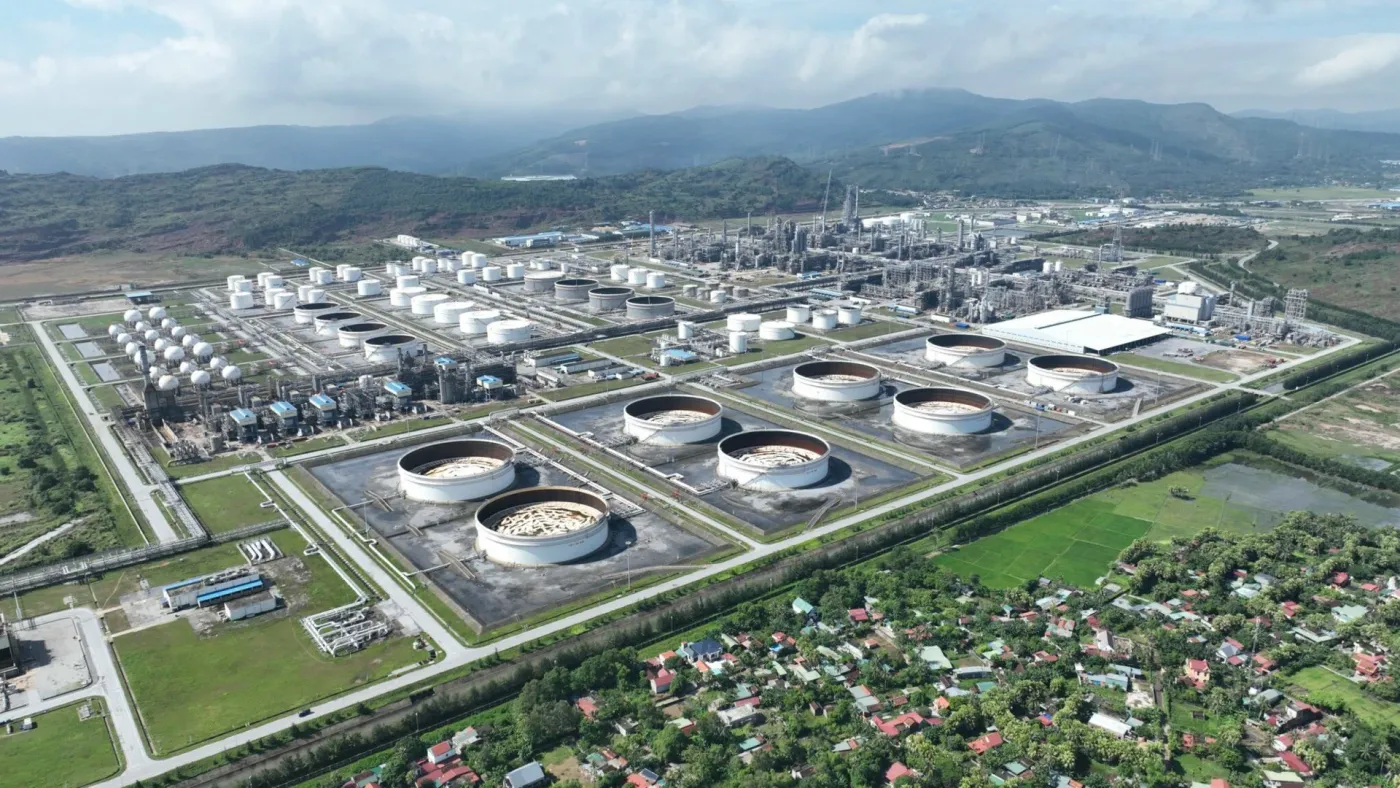
On March 26, the Prime Minister chaired the Energy Security Task Force meeting and ordered immediate deployment of a strategic petroleum reserve at Nghi Son, Thanh Hoa province, with a planned capacity of 1 million tons.Government Portal This is one of three planned strategic reserves (alongside Dung Quat and Ba Ria - Vung Tau), and its location adjacent to the Nghi Son Refinery — which supplies approximately 35% of domestic fuel demand — carries clear strategic significance: minimizing on-site disruption risk.
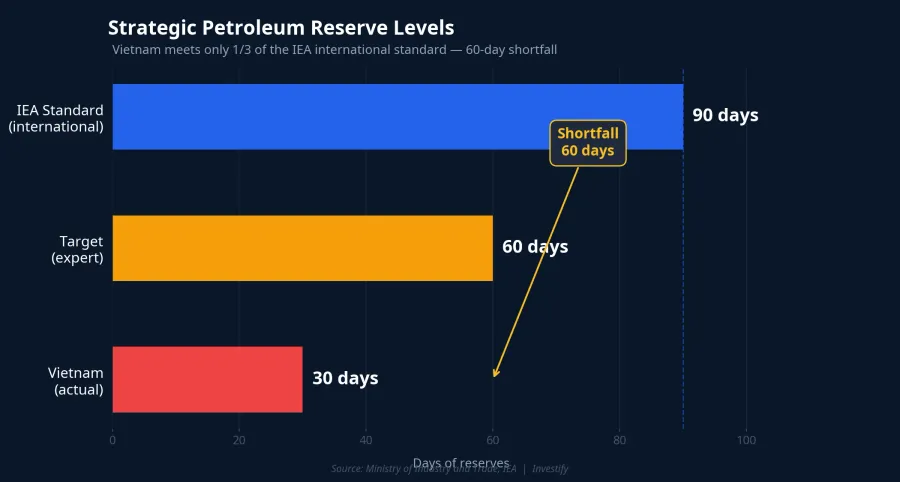
However, the current state of reserves reveals a substantial gap from international standards. Vietnam currently maintains total petroleum reserves of approximately 30-32 days, with national reserves accounting for just 7 days — far below the IEA's 90-day import standard.NLD Reaching the 90-day target would require reserves of approximately 2.4-2.5 million tons, equivalent to roughly $1.7 billion in investment. Expert Dao Nhat Dinh suggests that 30-60 days is more realistic given current economic capacity, indicating this will be a long-term journey rather than a quick fix.Petrocons
BSR at Record Output — Opportunity and Risk in Tandem
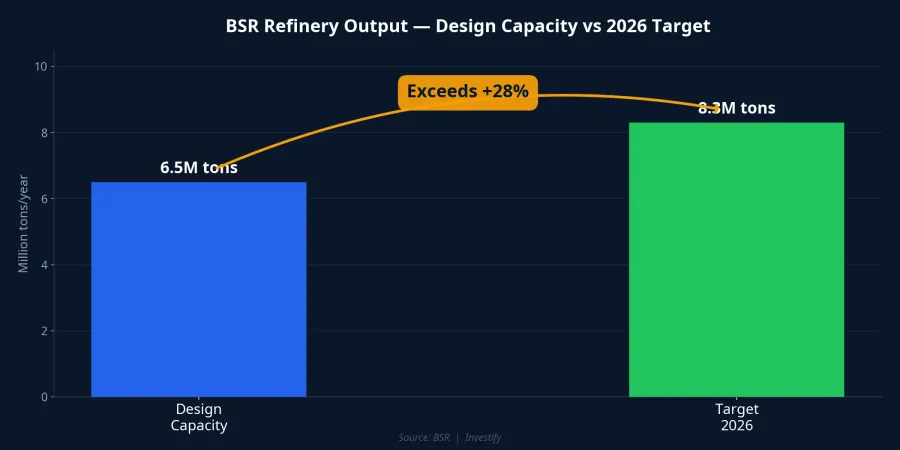
While reserve infrastructure is still under construction, the immediate solution is maximizing domestic refining capacity. The Dung Quat Refinery is operating at 123.5% of design capacity, targeting record output of 8.3 million tons for 2026 — exceeding the 6.5 million ton/year design capacity by 28%. Acting Minister of Industry and Trade Le Manh Hung personally visited BSR on March 28 to oversee safe operations.
The financial results clearly reflect this advantage: profit margins improved sharply as crack spreads widened due to supply disruptions across Asia. Q4/2025 EBITDA reached VND 4,064 billion, a 2.4x increase from the previous quarter. Analysts forecast Q1/2026 profit to surge 854%, reaching approximately VND 4,500 billion.Nguoi Quan Sat
Oil and Gas Stocks — Who Benefits Over the Next 3-5 Years?
In the broader energy security picture, each company holds a different position. BSR benefits from both record output and improved margins, though the risk lies in prolonged overcapacity operation potentially affecting equipment lifespan. PVD (PV Drilling) expects profits to rise approximately 39.7% thanks to higher rig rental rates and contributions from new rigs PVD XIII and IX. PVT (PV Trans) benefits from surging shipping rates as crude oil transportation demand increases sharply. As for PLX (Petrolimex), revenue rises with selling prices, but margins are squeezed by the Price Stabilization Fund mechanism — a structural constraint.
Risks the Policy Roadmap Has Yet to Address
Over the next 3-5 years, three structural risks warrant close monitoring. First, the Nghi Son reserve is still at the directive stage — with no specific completion timeline, while the Middle East conflict could escalate at any moment. The gap between political resolve and actual implementation capacity will determine this policy's effectiveness.
Second, BSR running at 123.5% capacity is a double-edged sword. If an incident forces a shutdown, Vietnam immediately loses a significant portion of domestic fuel supply — a risk many investors have not fully priced in. Third, the 30-32 day reserve level offers virtually no safety buffer if the Strait of Hormuz is blocked or supply chains face prolonged disruption. Measures like reducing import tariffs to 0% and injecting VND 8,000 billion into the Price Stabilization Fund are temporary fixes that cannot replace physical reserve infrastructure.
Conclusion — Racing Against Time
Vietnam's energy security race is unfolding at an unprecedented pace, from high-level diplomacy to maximizing refinery output. For investors, this represents both opportunity — BSR, PVD, and PVT directly benefit from high oil prices and policies pushing production — and a reminder of how vulnerable the economy remains to energy shocks. The 60-day reserve gap compared to the IEA standard shows Vietnam is still running a marathon, not a sprint.