
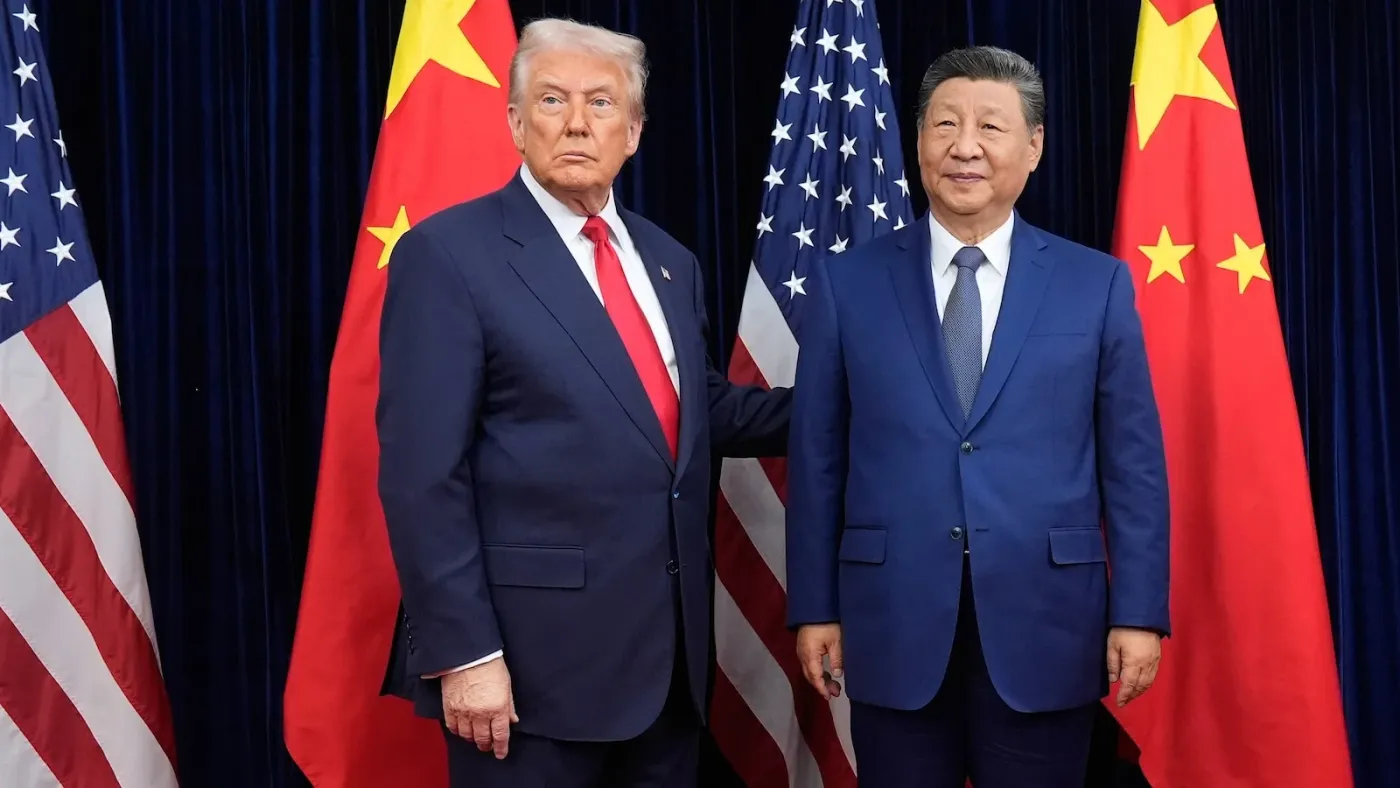

The big picture reveals a potentially market-moving event fast approaching. On March 25, the White House officially confirmed that President Donald Trump will meet Chairman Xi Jinping in Beijing on May 14-15, 2026 — the most anticipated US-China summit of the year.CNBC
The trip was originally scheduled for late March but was postponed due to tensions related to Iran. This time, the agenda centers on three pillars: trade, technology, and security. For Vietnamese investors, this is not just international news — it is an event that could shape investment strategy for the second half of 2026.
A Record Surplus — and the Price Tag
Capital is shifting, but not in the way everyone expects. According to USTR data, the US goods trade deficit with Vietnam in 2025 reached $178.2 billion — up 44.3% year-on-year and the largest in the world, surpassing both China and Mexico.Vietnam Briefing
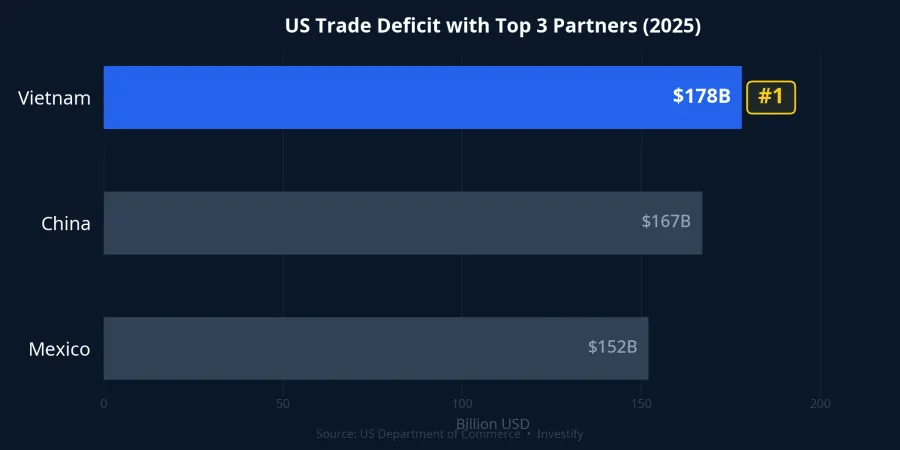
This $178 billion figure is precisely why Vietnam is in Washington's crosshairs. A timeline of events:
- April 2025: The US imposed reciprocal tariffs of up to 46% on Vietnamese goods
- July 2025: Through negotiations, tariffs were reduced to 20%
- October 2025: Both countries signed a Trade Framework Agreement — Vietnam committed to narrowing the surplus, opening its market to US goods, and strengthening anti-transshipment enforcementUSTR
However, the US still maintains a 40% tariff on goods transshipped from China through Vietnam. The White House estimates roughly one-third of Vietnam's exports to the US fall into this category — a concerning proportion.
The Beijing Chessboard — Where Does Vietnam Stand?
According to analysis from CNBC and the Atlantic Council, the Trump-Xi summit is expected to address three major issues:Atlantic Council
First, managed trade purchases — China may commit to buying more US agricultural products in exchange for tariff reductions on certain goods categories.
Second, establishing a US-China "Board of Trade" — a regular dialogue channel for managing bilateral trade.
Third, supply chain controls — rules of origin, anti-transshipment measures, and manufacturing transparency, particularly in semiconductors, batteries, and telecommunications equipment.
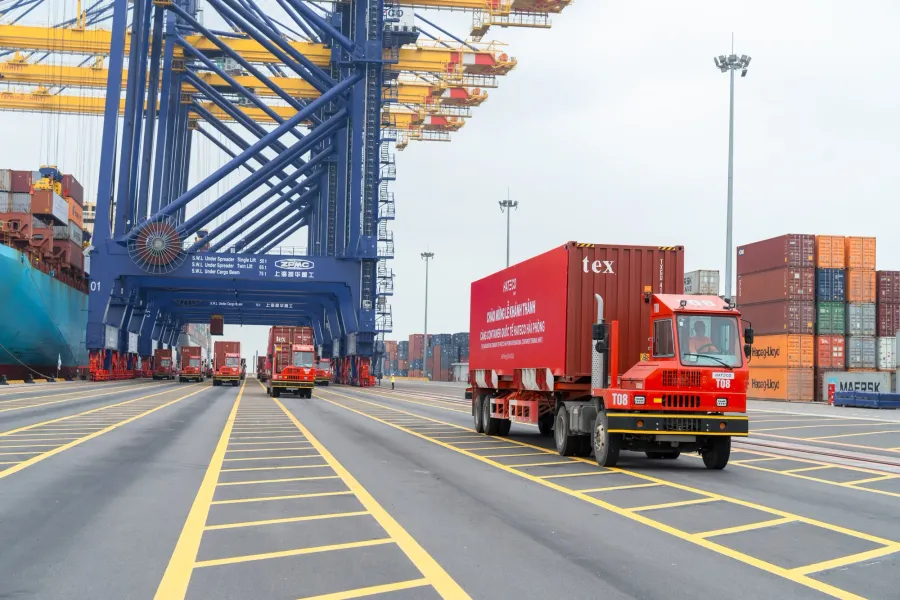
The last time the US and China sat down for serious supply chain negotiations, the consequences lasted a decade. This time, if both sides agree to tighten rules of origin, Vietnam — as a key "transit station" — will feel the direct impact.
Section 301 — the Second Arrow
Adding to the pressure, on March 11, 2026, the USTR launched Section 301 investigations targeting 16 economies, including Vietnam, over industrial production overcapacity.USTR The deadline is expected in July 2026. An unfavorable conclusion could lead to additional tariffs on specific sectors.
Despite the Framework Agreement, Vietnam has not escaped Washington's protectionist orbit. This is something many investors are underestimating.
Two Scenarios — Two Capital Flows
Scenario 1: US-China Detente — Conditionally Positive
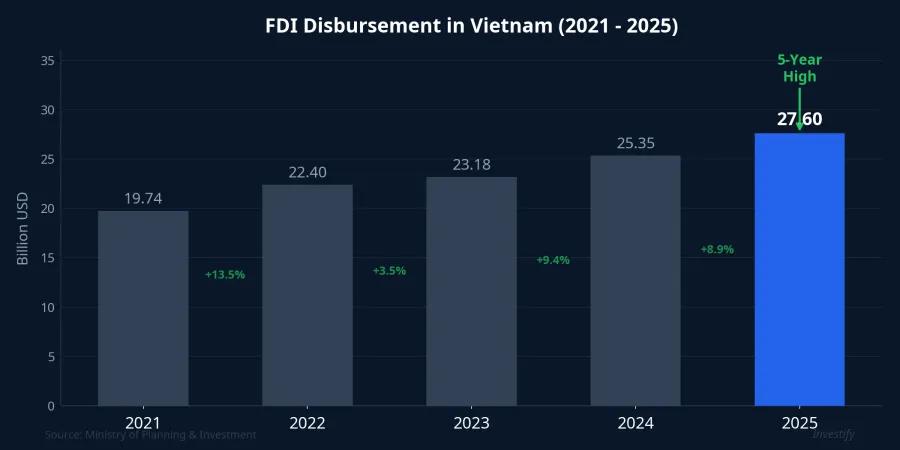
If the summit produces a constructive agreement, global uncertainty decreases and market sentiment improves. FDI continues flowing into Vietnam thanks to the China+1 strategy. In 2025, FDI disbursement reached $27.6 billion — a 5-year high, with manufacturing accounting for nearly 60%.B-Company
Key beneficiaries:
- Industrial parks (KBC, IDC, VGC): Stable land lease demand, rising occupancy rates
- Logistics and seaports: Export cargo volumes sustained
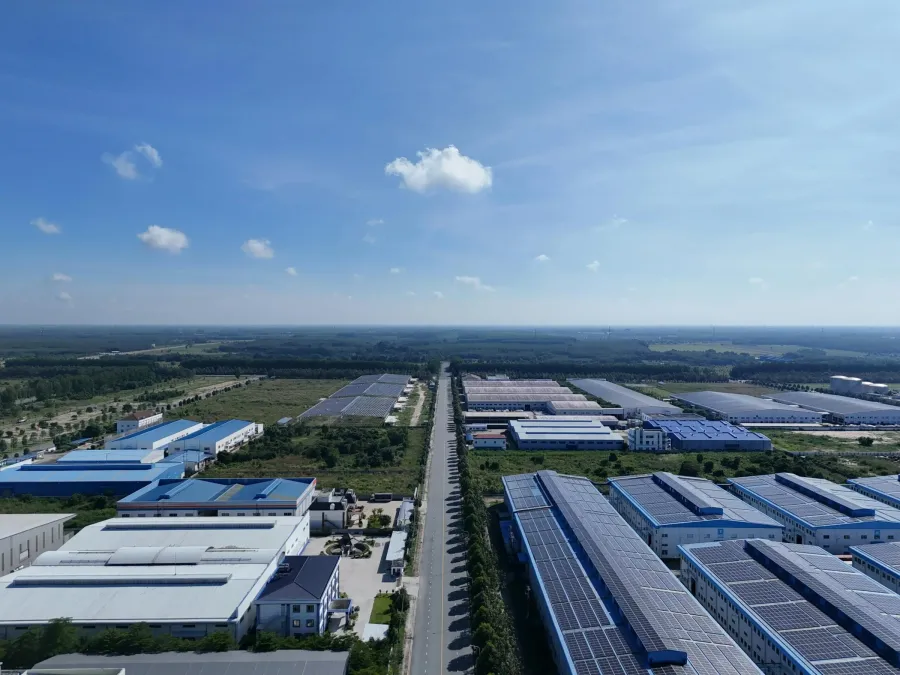
However, there is a paradox: if US-China relations improve too much, the manufacturing exodus from China could slow down — reducing the very China+1 advantage that Vietnam has been leveraging.
Scenario 2: US Turns Its Sights on Vietnam — Major Risk
If Trump uses the China deal as leverage to tighten the screws on countries with large surpluses, the hardest-hit sectors would be:
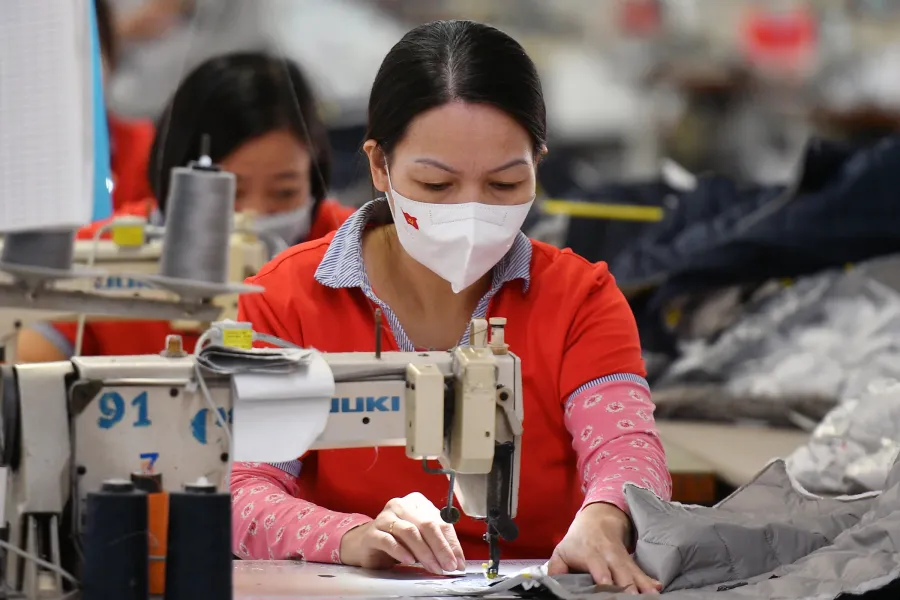
- Textiles, footwear, and wood products: Thin margins, US market dependent. Companies like TNG and MSH have already reported order pressure
- Electronics and equipment: Largely FDI-operated (Samsung, Foxconn). If rules of origin are tightened, there is a risk of production shifting to third countries
A worrying signal: foreign investors have been net selling heavily on HOSE — on March 26 alone, net selling exceeded VND 1,882 billion, concentrated in HPG, VIC, DGC, and KBC.
How Should Investors Prepare?
The May 14 summit is the biggest macro event on the horizon. Capital flows will react the moment signals emerge from Beijing. Some recommendations:
- Monitor negotiation signals closely — any statement on rules of origin and transshipment directly affects Vietnam
- Reassess export sector weightings — consider reducing exposure to US-dependent companies with thin margins
- Favor companies with diversified markets — firms already expanding into the EU, Japan, and ASEAN will be less vulnerable
- Watch the July 2026 milestone — the Section 301 investigation results could trigger the next major volatility wave
Vietnam is walking a tightrope between two superpowers. The big picture shows both opportunity and risk — and smart investors prepare for both winds.